
When Czech and German immigrants came to Texas in the 1800s, many settled in the central part of the state and named their towns after the places they’d left—Praha, Schulenburg, Dubina, Fredericksburg. These thriving communities prospered by working hard, helping one another, and praying together.
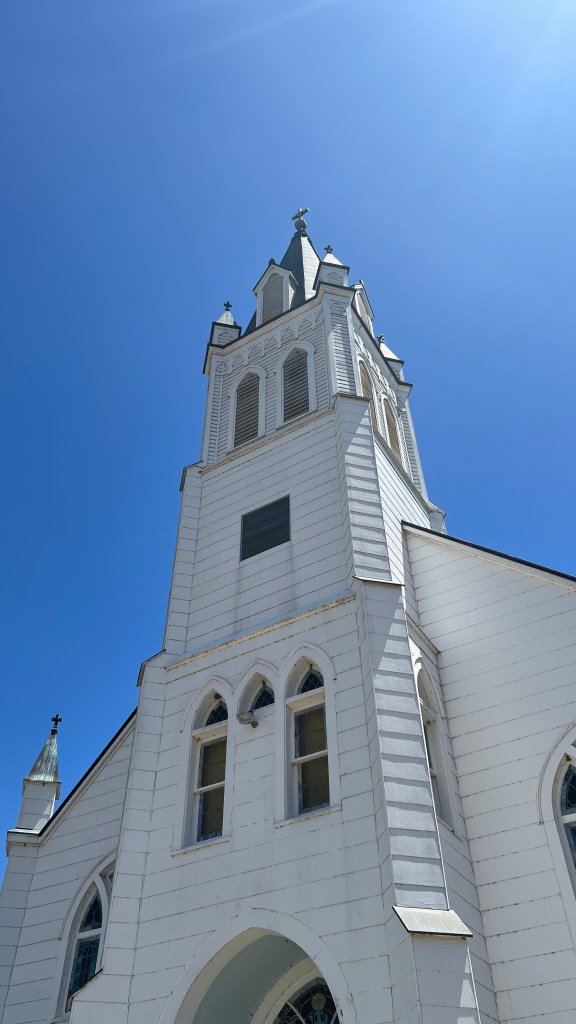
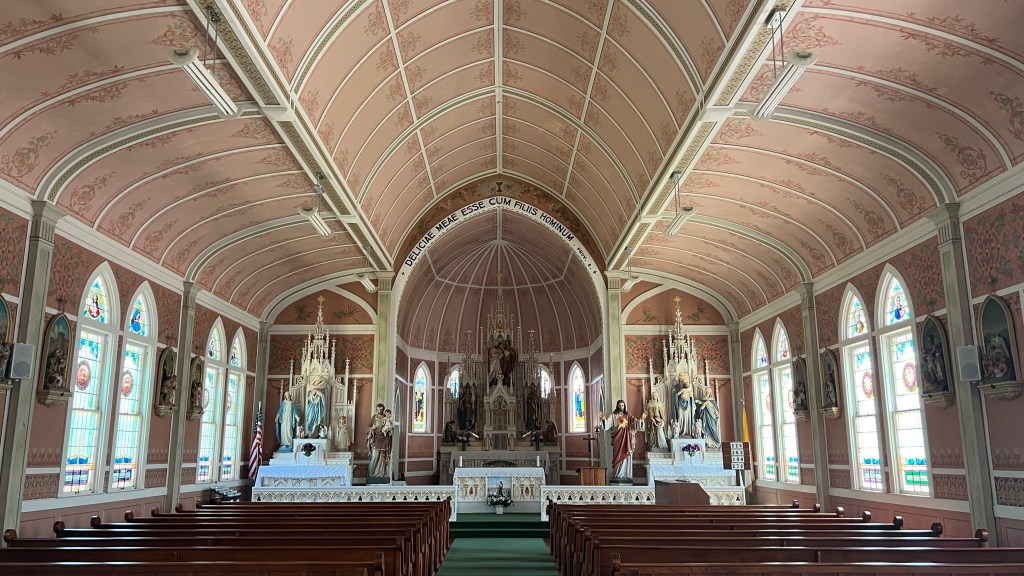
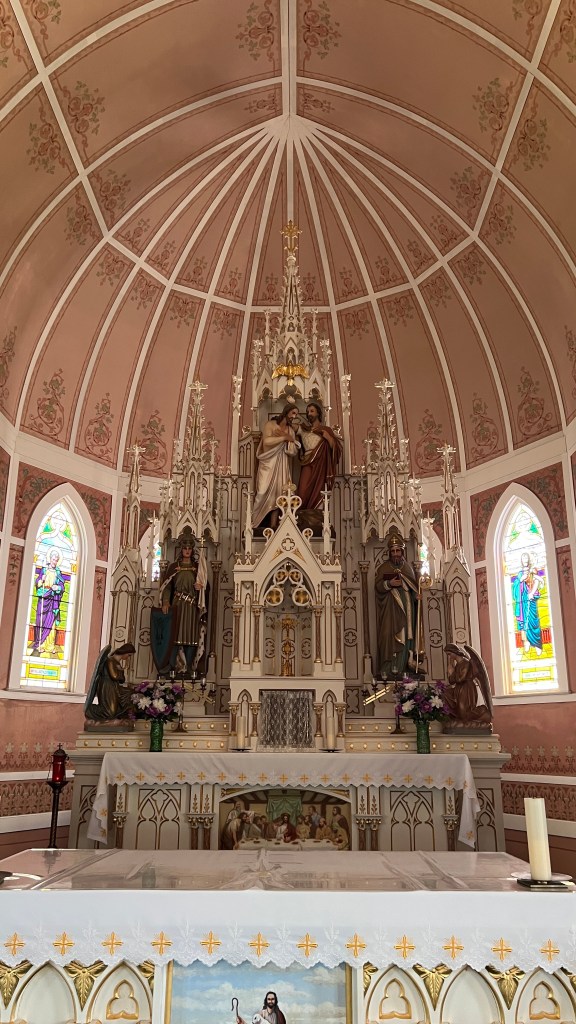
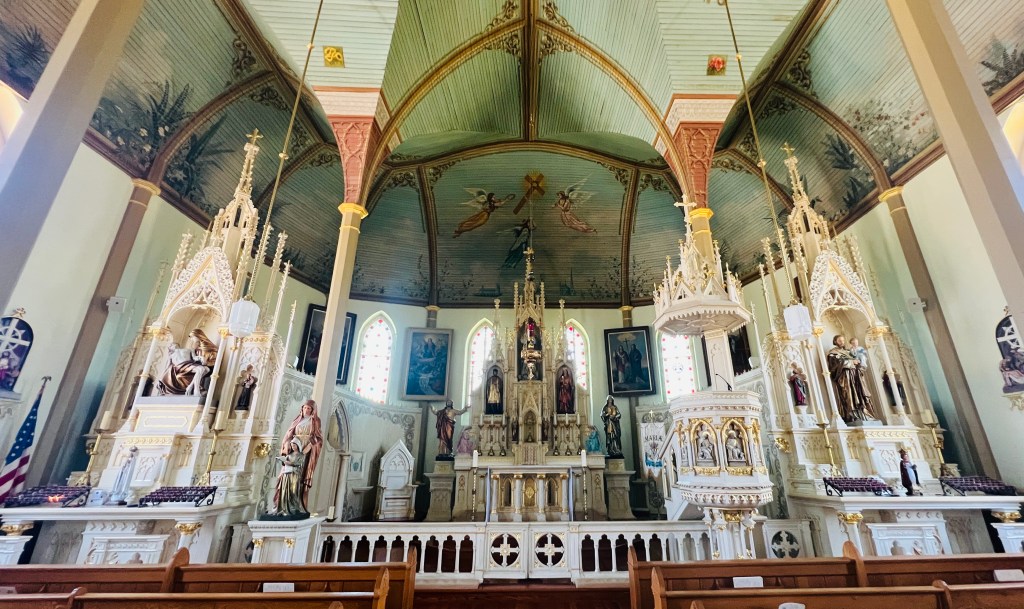
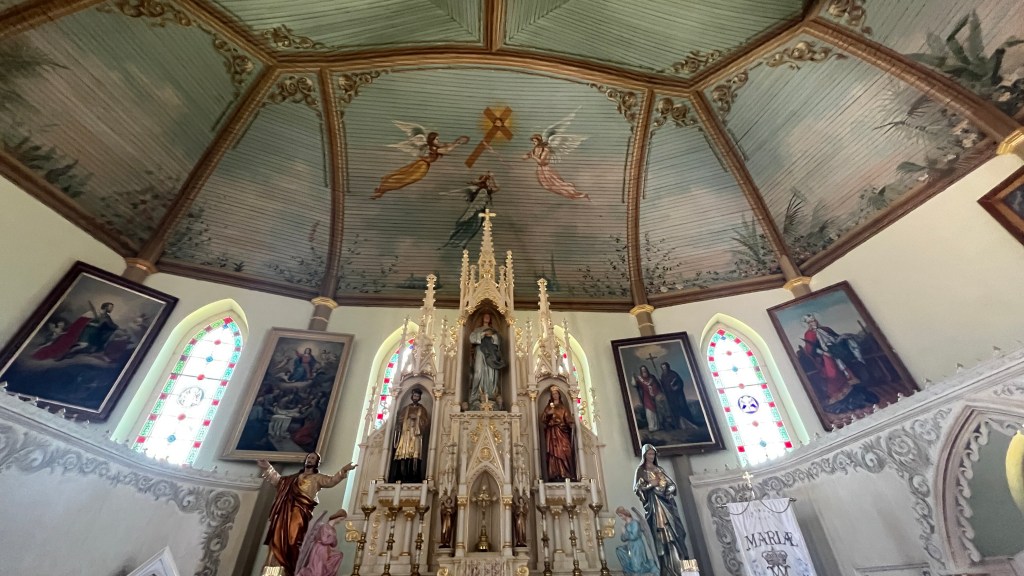
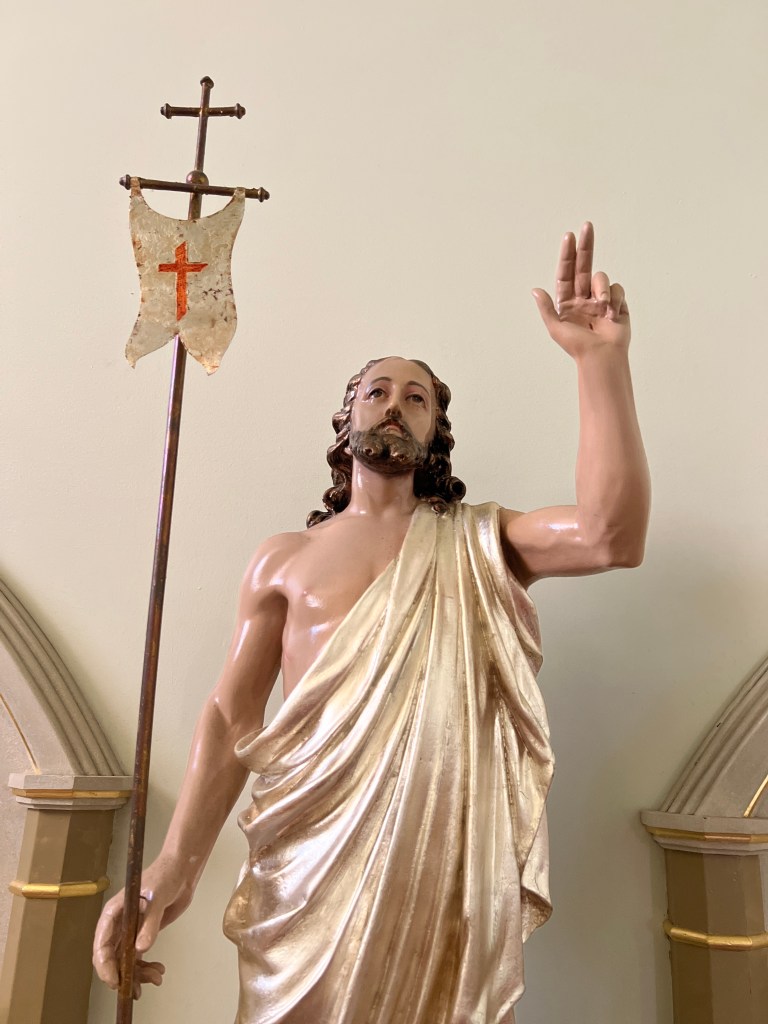
In an effort to make their new churches feel more like the ancient Gothic structures of their homelands, these early settlers painted the walls, altars, and arches of their simple wooden sanctuaries in colorful patterns and clever tromp l’oeil images. These buildings came to be known as the Painted Churches of Texas. Thankfully, they have been preserved and stand today in honor of those whose artistry and devotion created them. (Source)
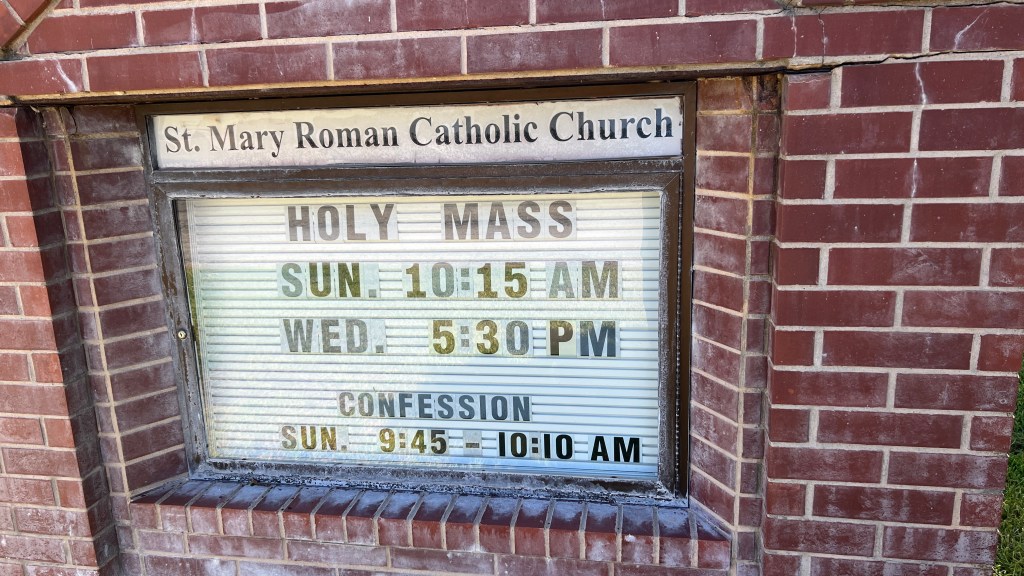
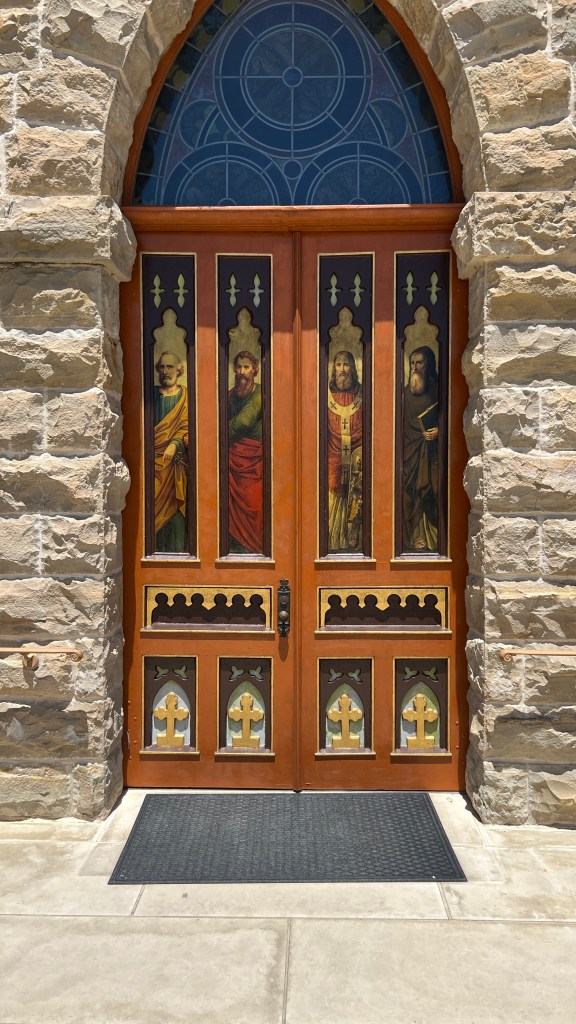
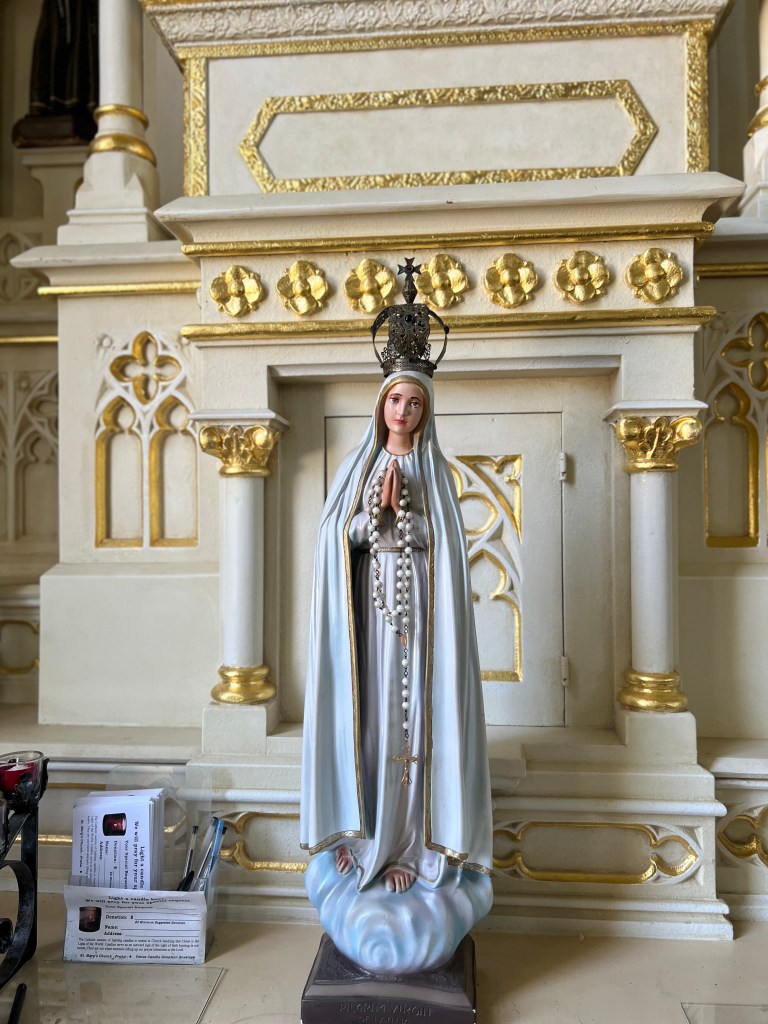
St. Mary’s is considered the Queen of the Painted Churches located in High Hill
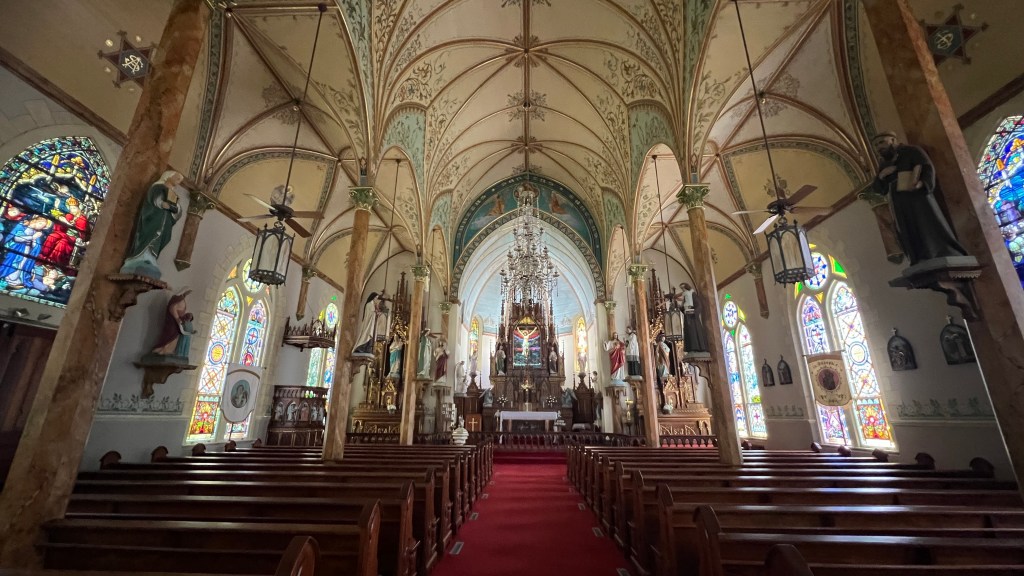
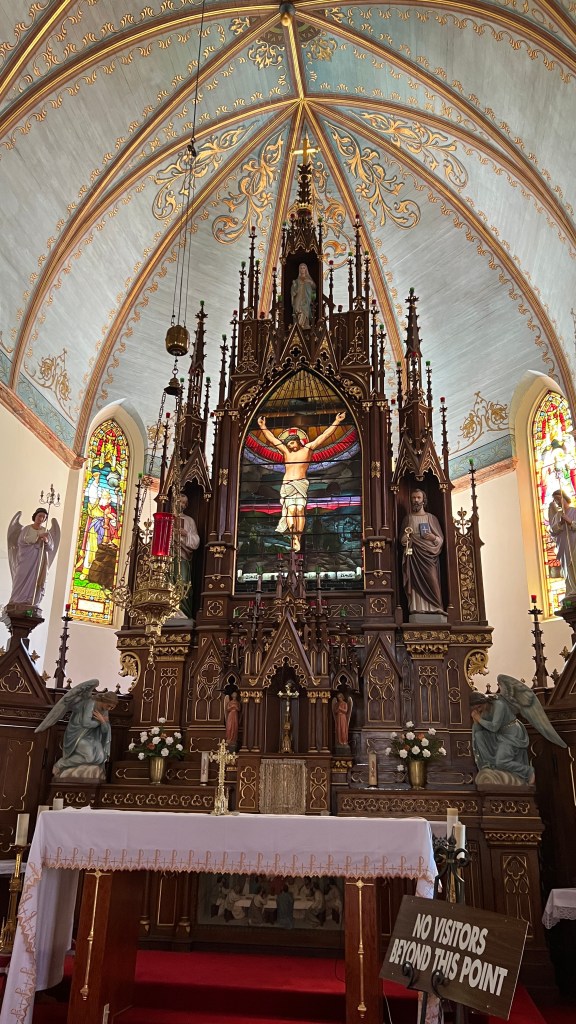


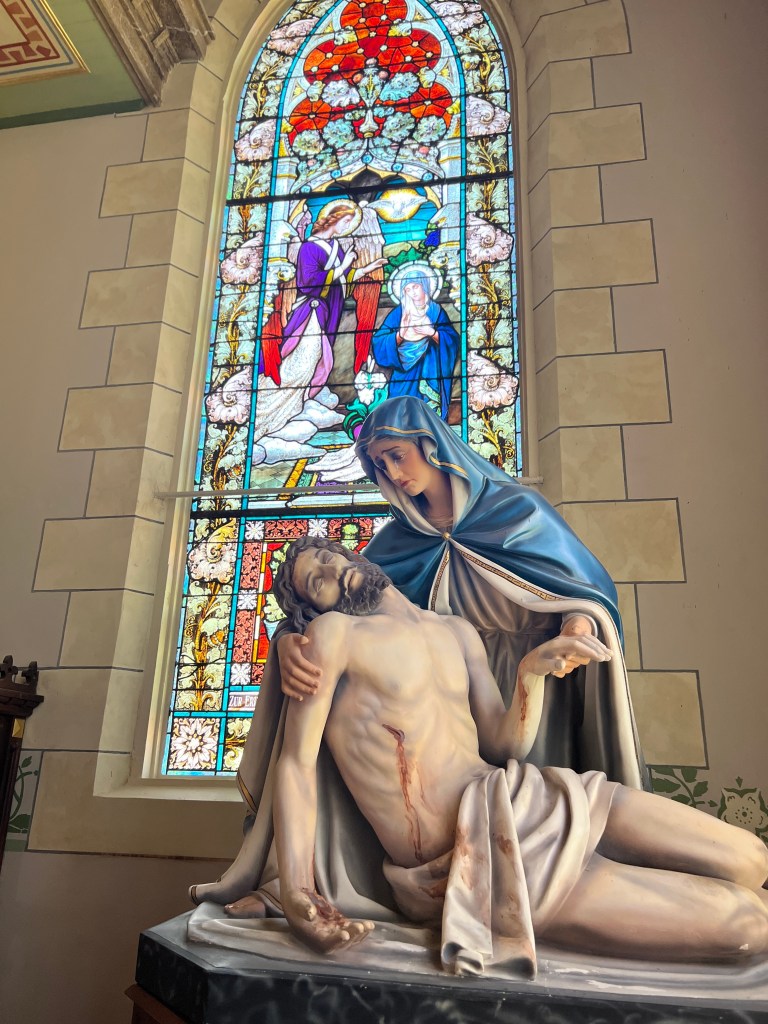

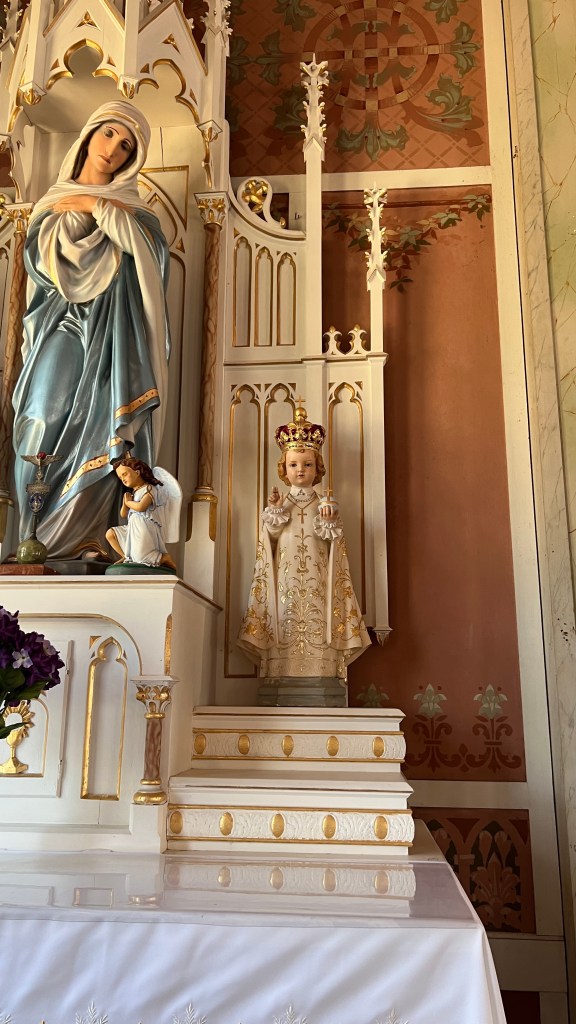
St. John the Baptist in Ammannsville (aka: the pink one)

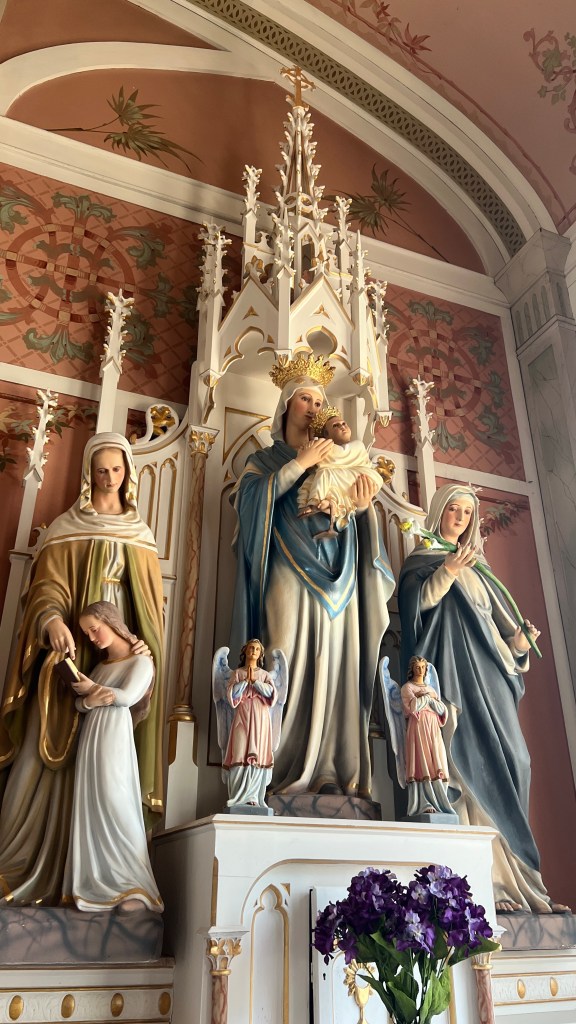
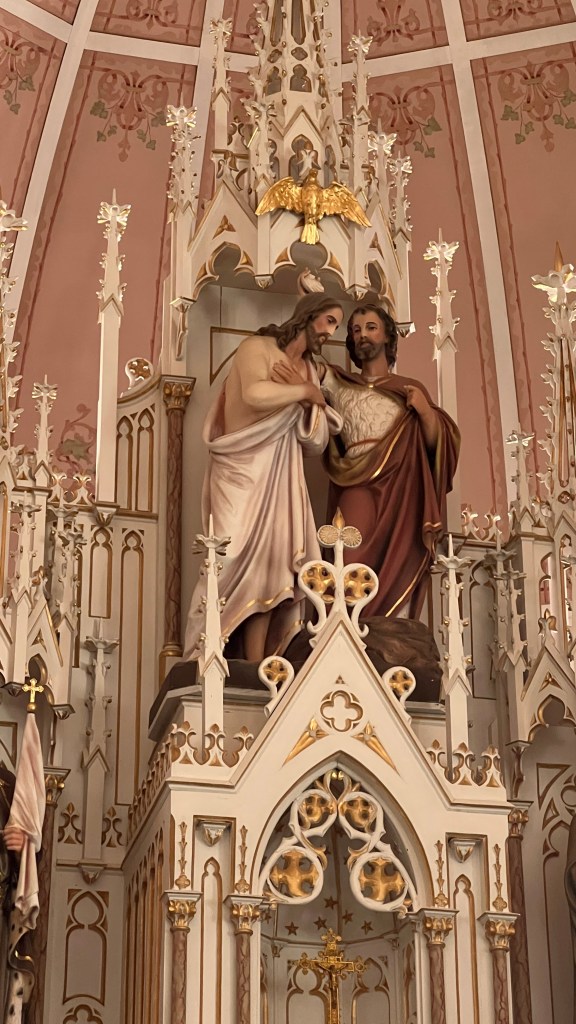
St. Cyril and Methodius in Dubina
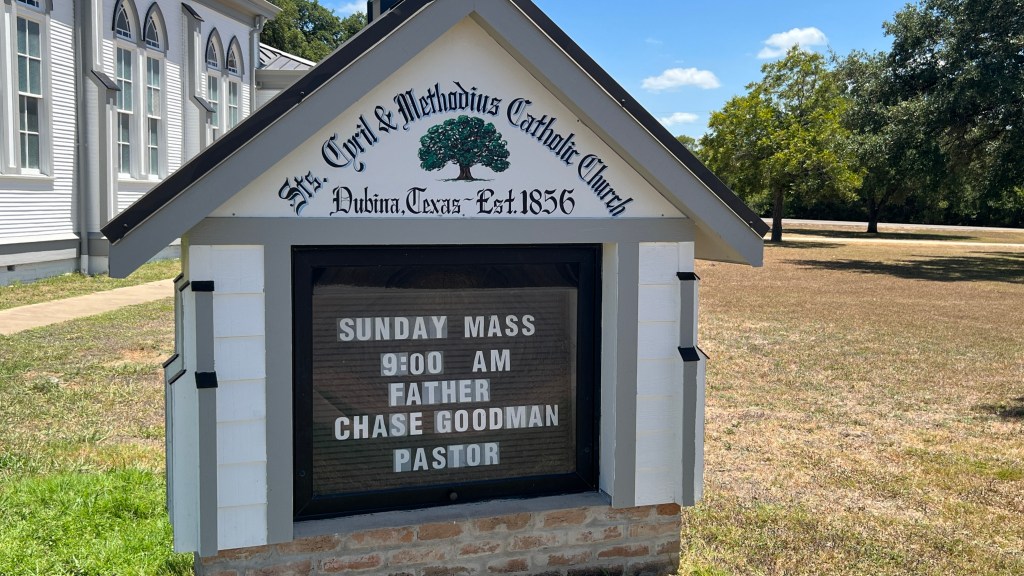

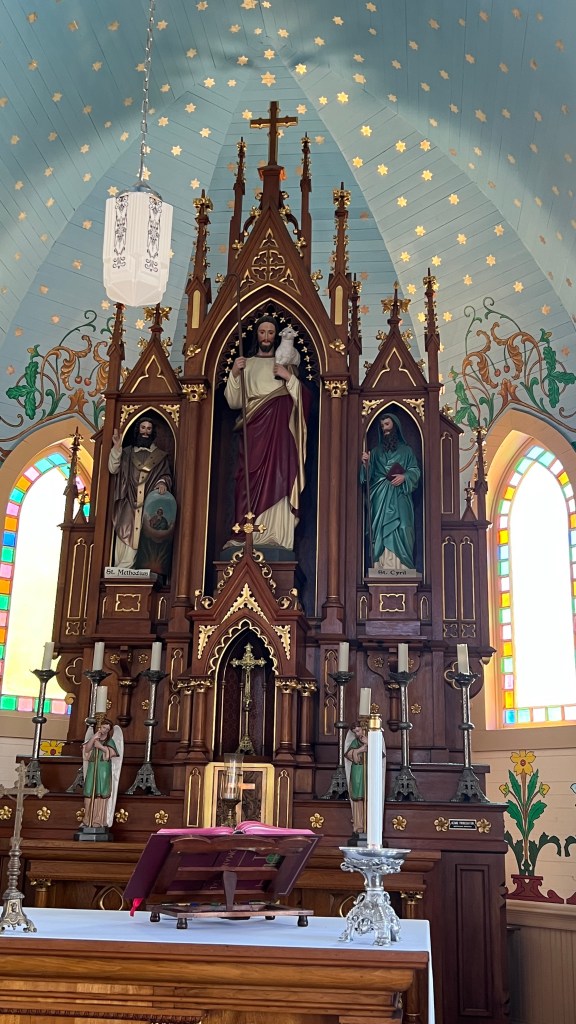
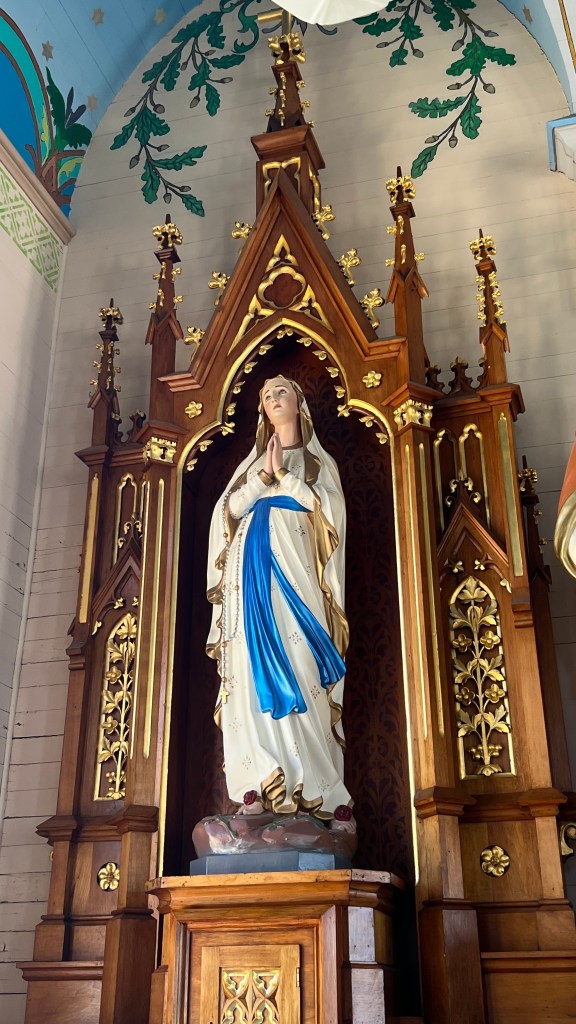
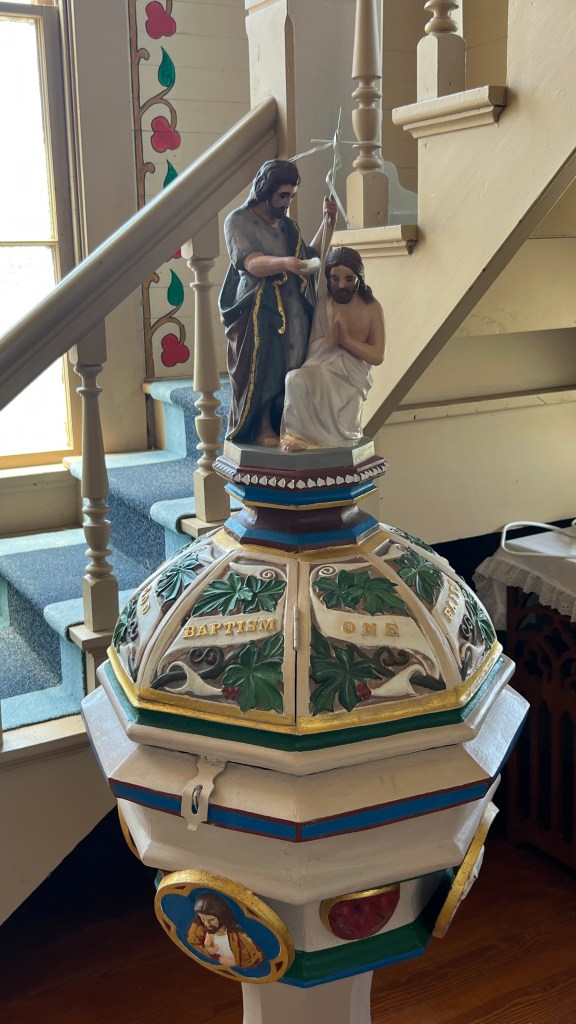
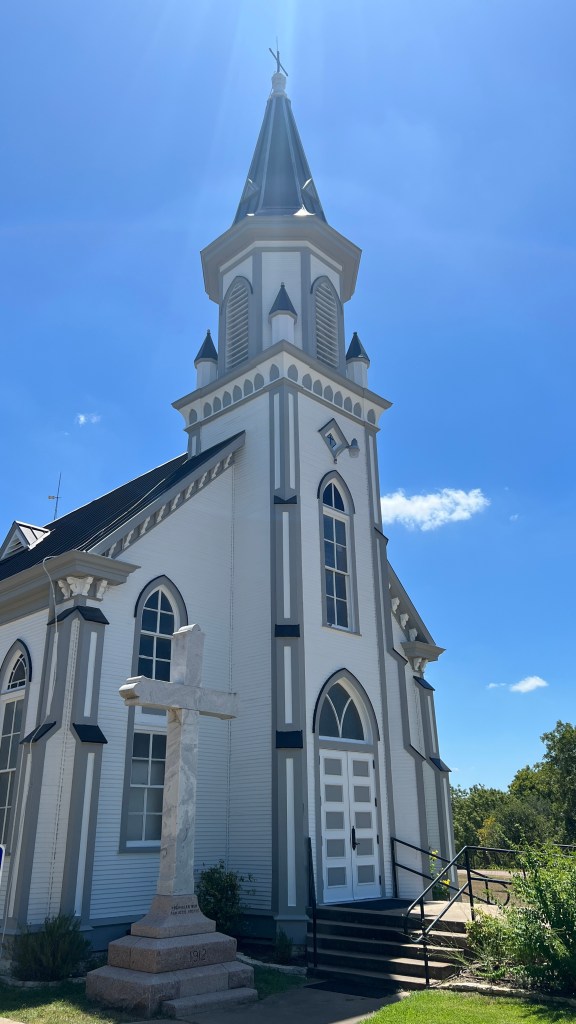
St. Mary of the Assumption located in Flatonia.
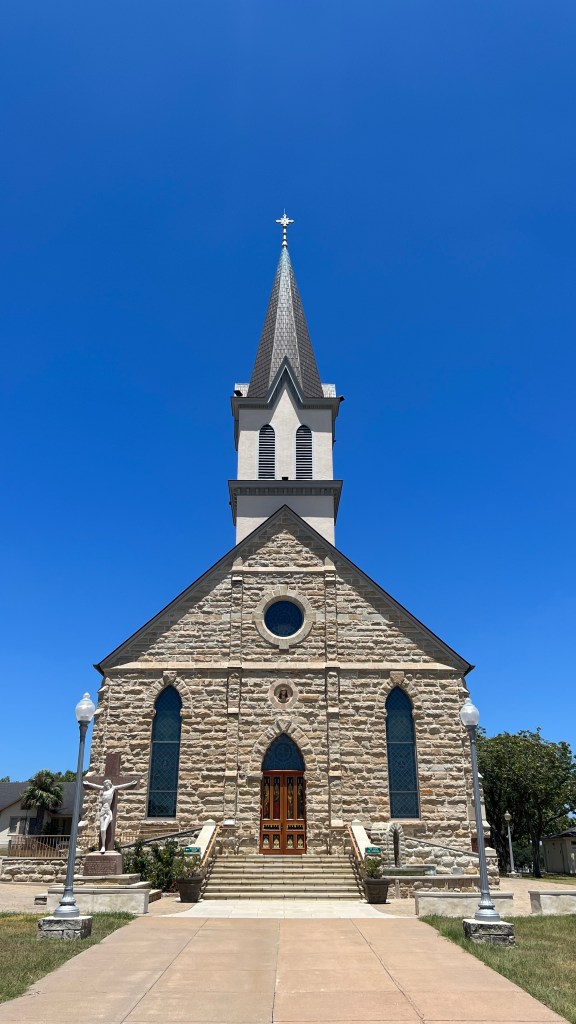
 Candle in a Cave