Pip: If you have ever wondered whether a snowplow could double as a theological argument, Fr. John has an answer for you — and it leads somewhere genuinely worth going.
Mara: This episode follows one extended sermon from Candle in a Cave, working through the question of whose image we carry — and what happens when the world starts stamping its own version over it.
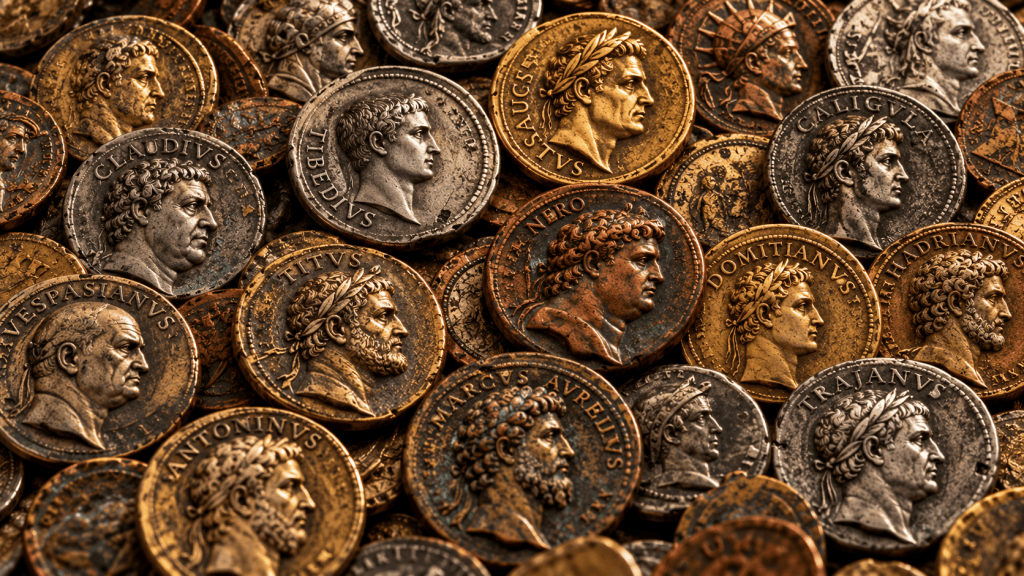
Pip: Caesar's coin, a damaged statue in Santiago, and a bird that cannot take off without wind. Let's start with the coin.
Whose Image Do You Actually Wear
Mara: The sermon opens with the familiar trap question put to Jesus — pay taxes to Rome, yes or no — and the answer that sidesteps the snare entirely. The real weight, though, lands on the second half of Jesus's reply, the half he leaves implied.
Pip: The setup for that implication is a direct citation from Genesis, and it lands like a key turning in a lock. Here it is: "So God created man in his own image, in the image of God he created him; male and female he created them."
Mara: So the upshot is this — the coin belongs to Caesar because it bears Caesar's image; you belong to God because you bear God's image. The logic is clean, and St. Hilary of Poitiers makes it explicit: "give therefore your money to Caesar, but preserve a conscience void of offense for God."
Pip: But here is the complication the sermon presses on. When a Roman emperor died, the mint started stamping new coins with the new face. The image changed. And the same drift, the sermon argues, happens to us — not that God's image leaves, but that the world layers its own stamp over it.
Mara: The illustration that makes this concrete is a damaged statue in the church of San Fiz of Solovio in Santiago, Spain — a figure that might be the Apostle John, but whose left hand is missing and whose identifying object is gone. A hundred percent positive identification was not possible.
Pip: Which is a quietly devastating image for what the sermon is actually asking: can the people around you still read whose you are?
Mara: And the sermon's answer to distortion is not the lecture everyone expects — more confession, more prayer, more Bible reading. Instead it reaches for St. Francis de Sales and a bird Aristotle called the apode, a creature with legs too weak to launch itself back into the air. The wind has to do it.
Pip: Grace as weather. You do not manufacture the lift; you open your wings.
Mara: The closing line the sermon returns to is from First John: "We love because he first loved us." The image of God may blur, the sermon says, but God's recognition of us does not fail — which is the exact reversal of the opening joke, where God genuinely could not pick Shirley out of a lineup.
Pip: Shirley worked very hard to become unrecognizable. The sermon's invitation runs the other direction entirely.
Mara: Not to make ourselves worthy before approaching, but to bring the distorted image — scars, world-stamps, and all — and open to the grace that has not stopped moving.
Mara: The coin, the statue, the apode — three images for the same question: what does it take to stay recognizable to the one who made you?
Pip: Apparently less effort than Shirley put in, and more willingness to let the wind do the work. More next time.
A woman named Shirley had a heart attack and was taken to the hospital.
While on the operating table, she had a near-death experience. She saw God and asked, “Is this it?” God said, “No, you have another 30 to 40 years to live.”
Upon her recovery, she decided to stay in the hospital and have collagen shots, cheek implants, a facelift, liposuction, and a bit of augmentation. After getting out, she dyed her hair and got a tattoo. She figured that since she had another 30 to 40 years, she might as well make the most of it.
Walking out of the gym where she was whipping the rest of herself into shape, she was hit by a snowplow and died.
Arriving before God, she said, “I thought you said I had another 30 to 40 years?”
God replied, “Shirley! I’m sorry, but I didn’t recognize you!”
The Pharisees and Herodians didn’t typically associate with one another, but in today’s gospel reading we see them team up to trap Jesus.
They first gush out some false praise, then ask their question: “Tell us, then, what you think. Is it lawful to pay taxes to the emperor, or not?”
Jesus, knowing their hearts, recognizes the question as a trick. If he answers, “Yes, it is lawful to pay taxes to the emperor,” he will appear to side with the occupying government. If he says, “No,” then they can turn him over to the Romans for sedition. So he asked for a coin that would have been used to pay the tax, but instead of answering their question, he asked, “Whose head is this, and whose title?” They answered, “The emperor’s.” In response, Jesus says, “Give therefore to the emperor the things that are the emperor’s, and to God the things that are God’s.”
It is a brilliant response. Give the government what is legally the government’s; give God what is legally God’s. The first part is clear—the coin bears Caesar’s image and represents Caesar’s authority; therefore, give Caesar what is properly owed him. The second part is implied.
Jesus does not specifically cite Genesis, but it is there. Genesis (1:26-27) states,
“Then God said, ‘Let us make man in our image, after our likeness. And let them have dominion over the fish of the sea and over the birds of the heavens and over the livestock and over all the earth and over every creeping thing that creeps on the earth.’
So God created man in his own image, in the image of God he created him; male and female he created them.”
As the coin, stamped with the Emperor’s image, is under the emperor’s authority, so you, made in the image of God, are under God’s authority. St. Hilary of Poitiers writes, “It behooves us also to render unto God the things that are His, namely, body, soul, and will. For Caesar’s coin is in the gold, in which His image was portrayed, that is, God’s coin, on which the Divine image is stamped; give therefore your money to Caesar, but preserve a conscience void of offense for God.”
We understand this and try to be obedient to this calling, but along the way, something happens.
When the question is asked about the coin, “Whose head is this and whose title?” Another answer could have been given: “Well, it depends on the day.” Why? Because when an emperor died, the empire began minting coins with the new emperor’s image. So, although the coin remains the emperor’s, it is stamped to represent the current political regime, and the same thing can happen to us.
The image of God we were created in never leaves us, but it can become distorted and reminted by the world around us. Like the Emperor’s coin, it can depend on the day, or even the time of day.
Come Sunday morning, the image we present may reflect forgiveness and kindness, but come Sunday night, with Monday looming, that image may show uncharitable ambition or pride. In the mornings, when we are with family and children, we may show joy and patience, but as soon as we get behind the wheel of the car, we bring on anger and impatience. What image do you present? Well, it depends on the day. Over time, the image of God remains, but it can become distorted beneath everything else that the world stamps upon it.
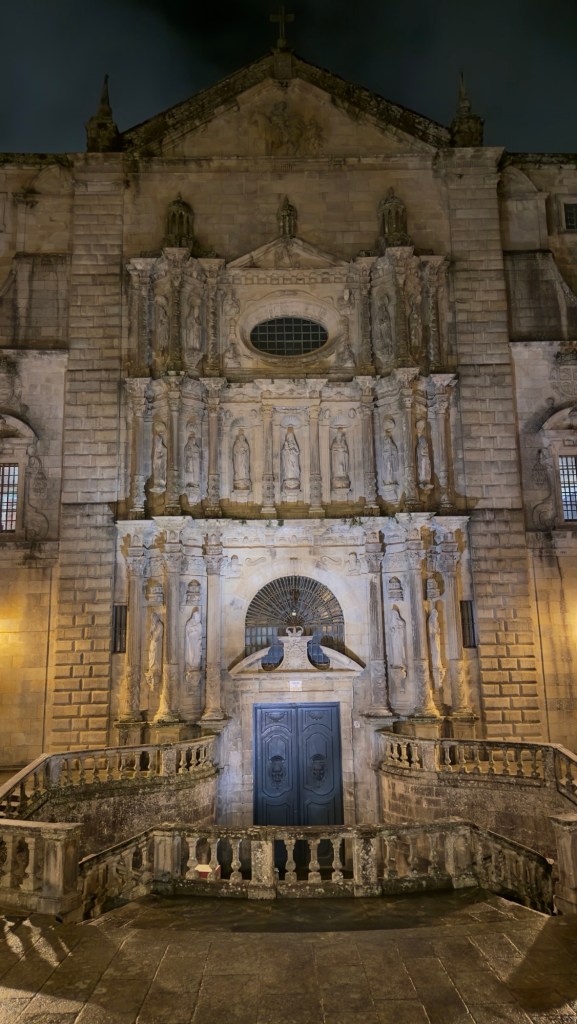
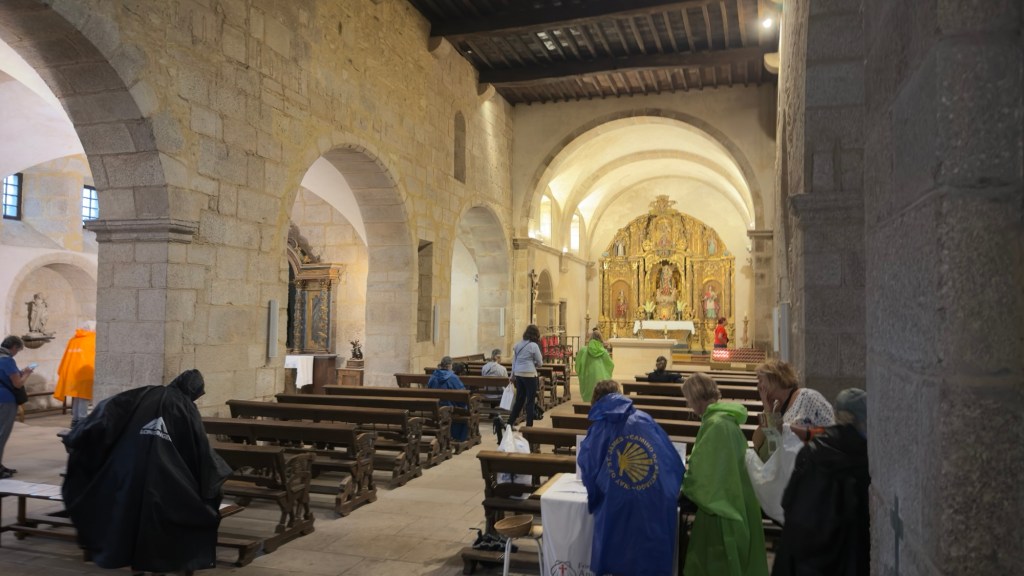
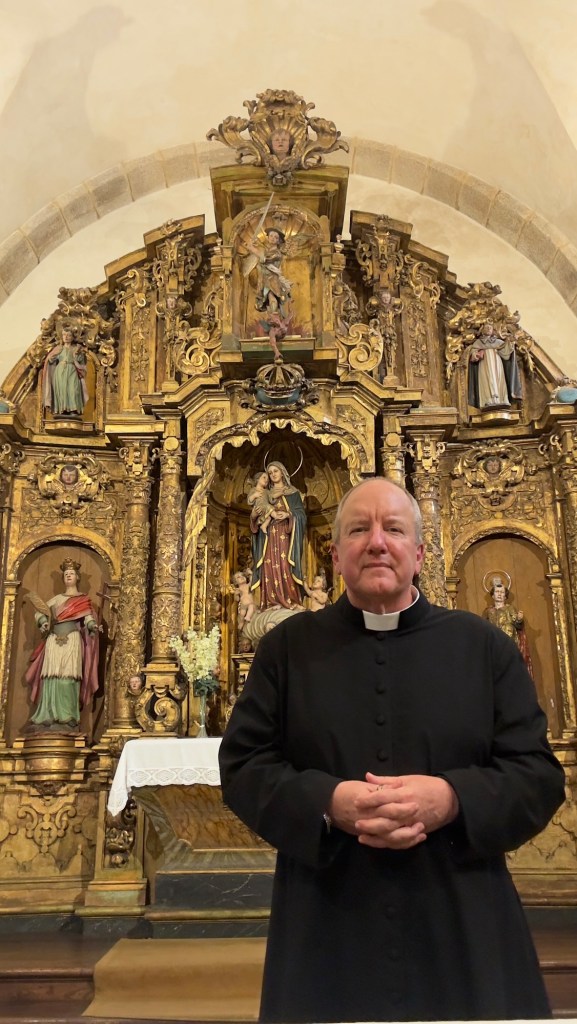
Over the last couple of weeks, I had the opportunity to serve in the church of San Fiz of Solovio in Santiago, Spain. It is a church that has been built, destroyed, built again, destroyed again, and so on. The altars, retables, statues, and most everything about it has been replaced, moved, or simply lost. So, to pass the time, I set out to track down who some of the Saints represented were. The Virgin Mary is fairly straightforward, but others are much harder to identify.
To properly identify a statue, you need to discover the symbols it is adorned with, the color of its garments, and even its placement in the church. For example, a statue of the Apostle John was easy to identify: youthful, with red hair, holding a book, and a pulpit shaped like an eagle, which always symbolizes John. However, there was a much older statue of a youthful person with what could have possibly been red hair, but his left hand was missing, and although the right hand was present, the object he held was missing. The colors of its garments match those of many other statues of the Apostle John, but in the end, a 100% positive identification of the image was not possible.
I am made in the image of God. You are made in the image of God. Question: Like the Emperor’s coin, is that image still recognizable, or has the world stamped you with its own image, distorting God’s image? Like an old statue in a much older church, have parts of the image of God been lost behind this world’s concerns and other life events?
If we are honest with ourselves, we will all say the image of God within us has become distorted or blurred. We may even think that parts have gone missing—broken off and lost forever. But honestly, that is just the devil whispering despair in your ear, for that image of God is still present, although distorted.
So how do we clear away the distortions and reveal those parts that appear to be missing?
Everybody says, “Now here’s where Father John gives us a great lecture. He will proceed to tell us why we should go to confession, pray more earnestly, and read our Bibles more devoutly.” Well, sure you could do those things and you probably should, but that’s not the answer.
I’ve been working my way through St. Francis de Sales’ Treatise on the Love of God, and in one chapter he refers to a certain bird Aristotle calls apodes: “because having extremely short legs, and feeble feet, they use them no more than if they had none.” People believed that if an apode ever landed on the ground, it could not take flight again and would die unless the wind blew. Then it could stretch out its wings and be lifted into the air again.
Using this example, Francis tells us that God’s grace, His love, is like the wind, a wind that is constantly blowing, and that we are like those apodes, unable to take flight on our own. To take flight, to enter into God’s grace, we must stretch out our wings; that is, we must participate in God’s grace and be open to Him.
When the image of God becomes distorted, we believe we must “whip ourselves into shape” so that God will love us, but that is backward. What did St. John tell us? “We love because he first loved us.” (1 John 4:19) When the image of God is distorted, we must open to God—the wind of grace is already blowing. God is not waiting for you to get your act together before his grace works in your life. No. God’s grace is already reaching toward you. He invites you to open your wings, to open yourself to the love that has been there all along.
Our reflection of God’s image may become clouded, but God’s love for us does not diminish. We may fail to recognize God’s presence within ourselves and others, but God never fails to recognize us.
Jesus asked them to bring him a coin, to look upon its image, and to recognize whose it was. Perhaps He invites us to bring our lives before Him as well.
Not because we have already made ourselves worthy. Not because we have successfully removed every imperfection. Not because we have finally become the people we ought to be. But simply because we belong to Him.
We come with our failings, our fears, our scars, and all the ways the world has tried to stamp its image on us.
And we open ourselves to the grace that God has never stopped offering.
The Christian life is not about making ourselves into someone God might someday love. It is about allowing God’s love to reveal more fully the image He placed within us from the beginning.
“We love because He first loved us.”
Let us pray: Pour forth, we beseech Thee, O Lord, Thy grace into our hearts; that we, to whom the incarnation of Christ, Thy Son, was made known by the message of an angel, may by His Passion and Cross be brought to the glory of His Resurrection, through the same Christ Our Lord. Amen.
Well, the day was a busy one. I got up, had some breakfast, packed the bags, and headed down to the church. After a full day, including the mass at 4 p.m., I came back to the Casa to discover that there were no taxis available in all of Santiago. Two and a half kilometers later, I arrived at the train station after a nice, slow walk. Along the way, I stopped at a pastry shop and picked up something for breakfast in the morning. Three hours on the train, and I am now at my hotel in Madrid. The Casa Anglicana had a nice little bathroom that was about two and a half by six feet, maybe. The hot water tank in my room held two gallons, so each morning was a mad dash to beat the hot water before it ran out. Arriving at the Crowne Plaza Madrid Airport Hotel, I may have drained their hot water tank. It was really nice. I do believe it’s time for some sleep.
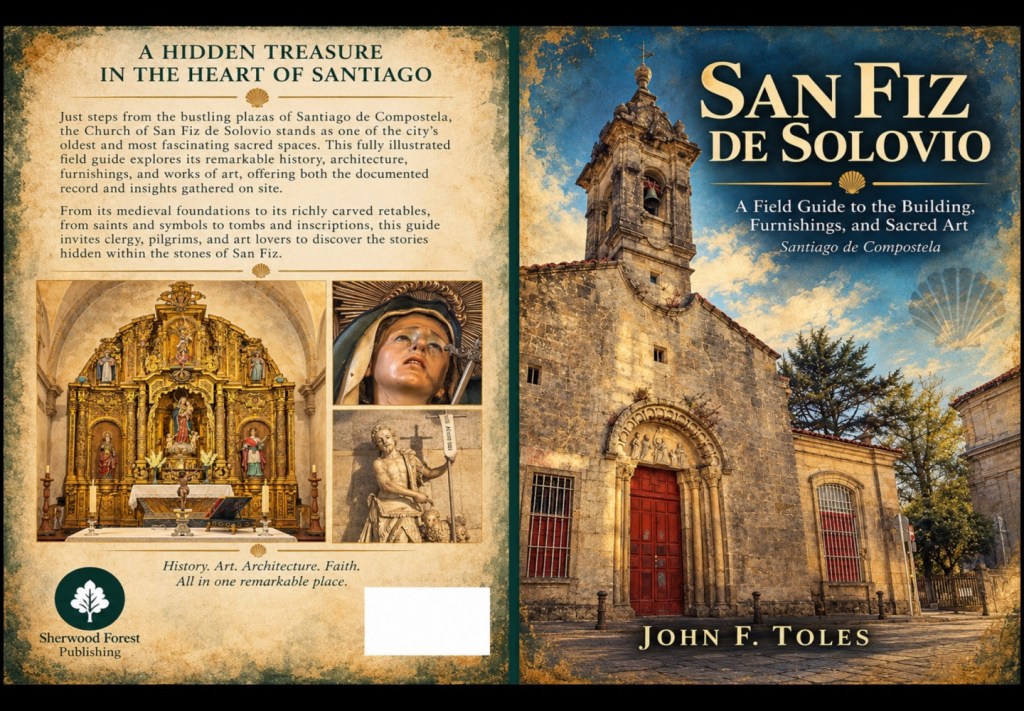
For those who are interested, here is a link to the book that I put together while I was here. I will tell you that the information is very interesting. The pictures are as good as I could take. And the layout—well, it’s a little wanting. It’s really difficult to publish books with pictures on Amazon. Anyhow, if it’s something you are interested in, you can go to Amazon and purchase a copy. Or, if you drop me a note, I will be more than happy to send you a free PDF version of it. The history of that one little church and all of the churches in Santiago is actually quite fascinating.
I’m a bit weary. It has been an amazing week. Tomorrow is my last day in Santiago. Get up, breakfast, pack, run and to the duties at the church, run back to the Casa, finish packing, head to the train station, arrive in Madrid about 11:30 p.m., bedtime about 1:00 a.m. Oy!
What did I do today, you ask? Here is a tease:
It is nothing really special and the formatting is not great, but it is a record of the church. If you ask nicely, I’ll send you a .pdf of the file. If you ask rudely, I’ll send you the Amazon link and make a wee royalty off of you. hahahha.
If I were you, I’d save my money for Birdy, which will be out in December.
Tired. Time to sleep. Oops… clothes in the dryer, then sleep.
Spent the morning with Birdy, the afternoon working at the church, and the evening eating Indian food… Oh, my! If anyone ever offers you Soan Papdi, just nod your head.
Soan Papdi is dangerously easy to keep eating. 😄 It’s an Indian sweet with a wonderfully strange texture: flaky, wispy, crisp, and almost cotton-candy-like, but richer and nuttier. It breaks apart into delicate threads and then practically dissolves in your mouth.
The traditional ingredients are usually gram flour (besan/chickpea flour), all-purpose flour, sugar, ghee, and milk or water, flavored with cardamom. Many versions are topped or mixed with pistachios and almonds, and sometimes saffron.
Melts in your mouth.
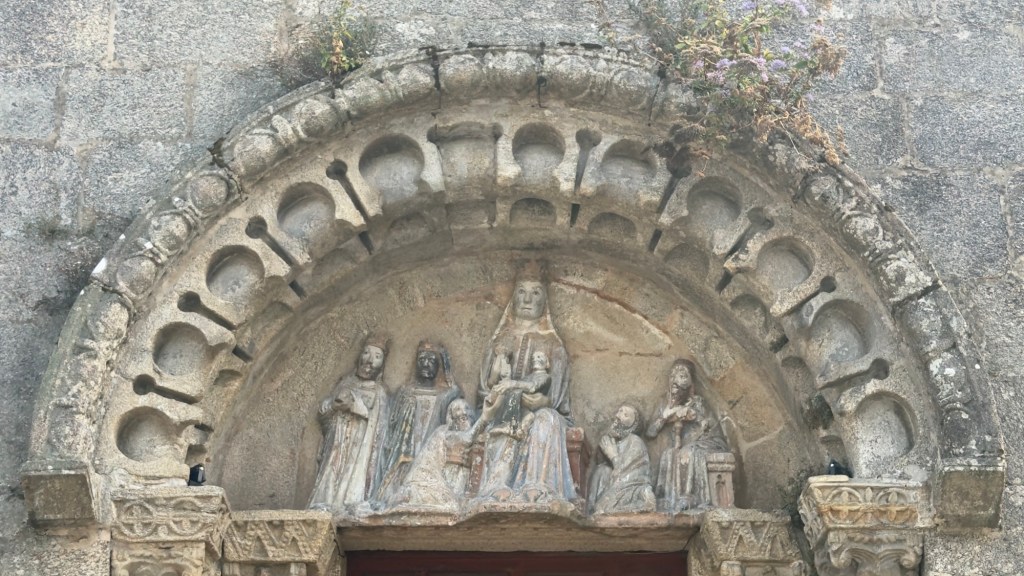
From the research project (it is above the main entrance of San Fiz.)
The Epiphany tympanum, dated 1316. The close view preserves the relationship between the sculpted scene, surviving polychromy, archivolts, and capitals.
The tympanum is one of the most securely documented medieval works at San Fiz. It represents the Epiphany: the Virgin and Child occupy the center; the Magi approach in adoration; St. Joseph sits opposite; and the kneeling donor, Xoán de Ben, appears in prayer. The lintel inscription dates the work to 1316 and names the enigmatic Master F. París.
The sculpture still preserves evidence of color, although the visible polychromy should not automatically be assumed to be original. Its importance lies not only in its age but in the fact that it belongs to a recognizable fourteenth-century sculptural milieu in Compostela. Related work has been associated with the same workshop.
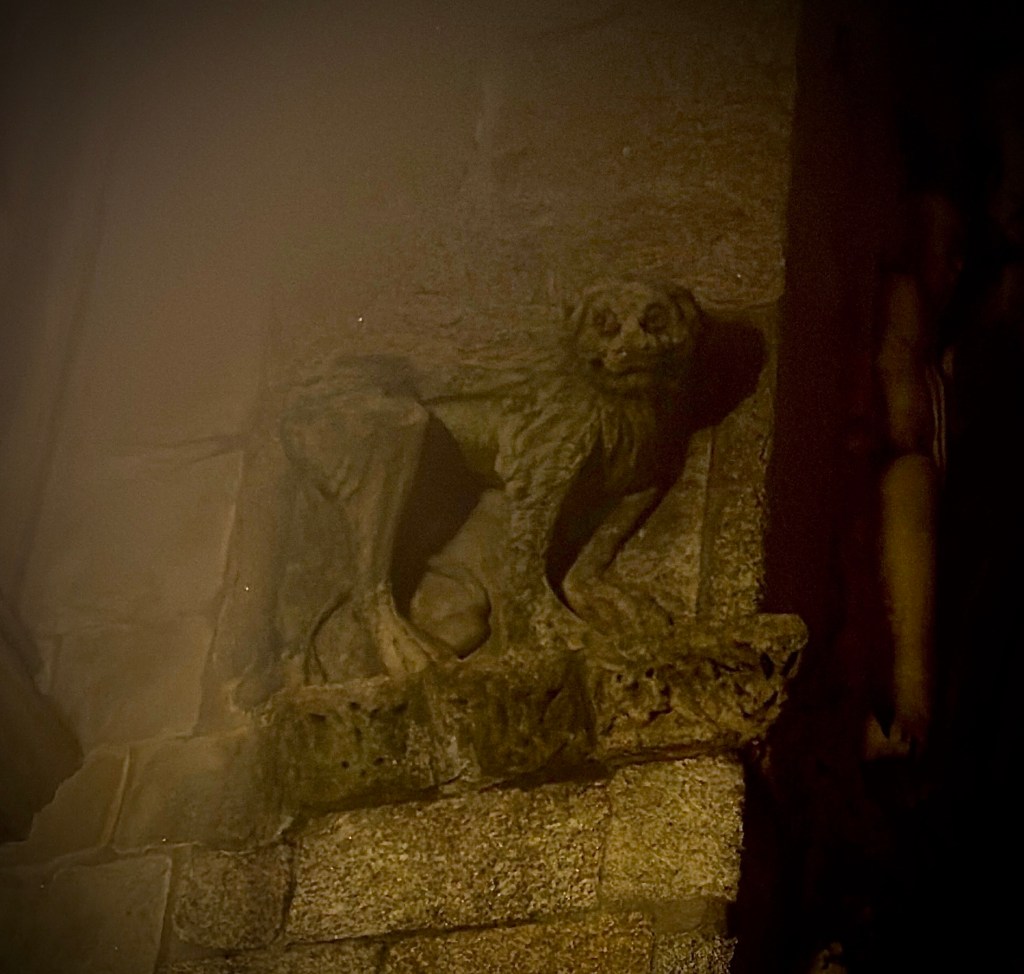
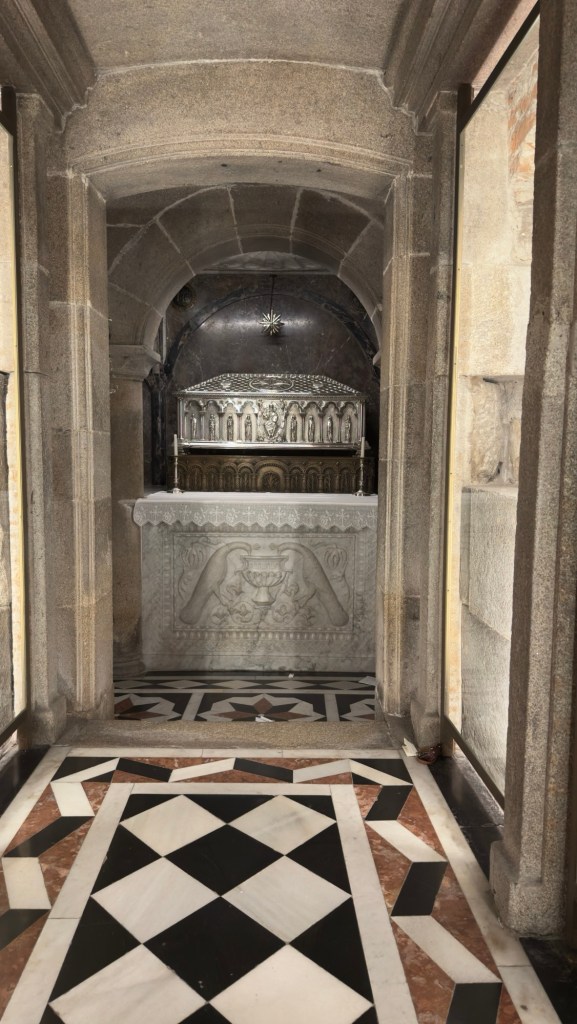
It was a very early start today so that I could get to the Cathedral of Santiago de Compostela when it opened and before all the other visitors. I was fourth in line and this little creature kept me company while I waited for the doors to open.
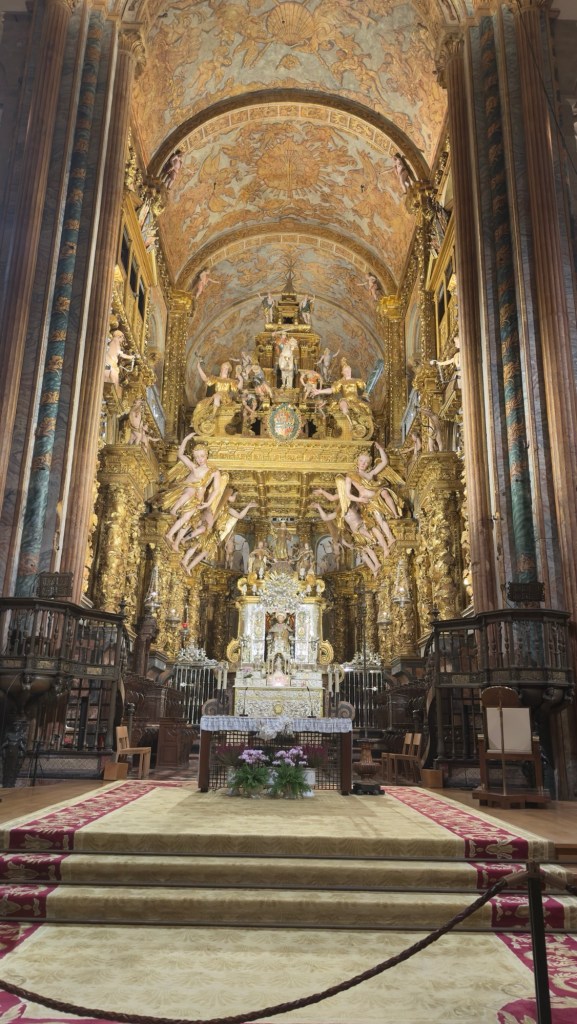
Promptly at seven, the doors opened and I made my way to the altar. It so much more glorious than this picture shows.
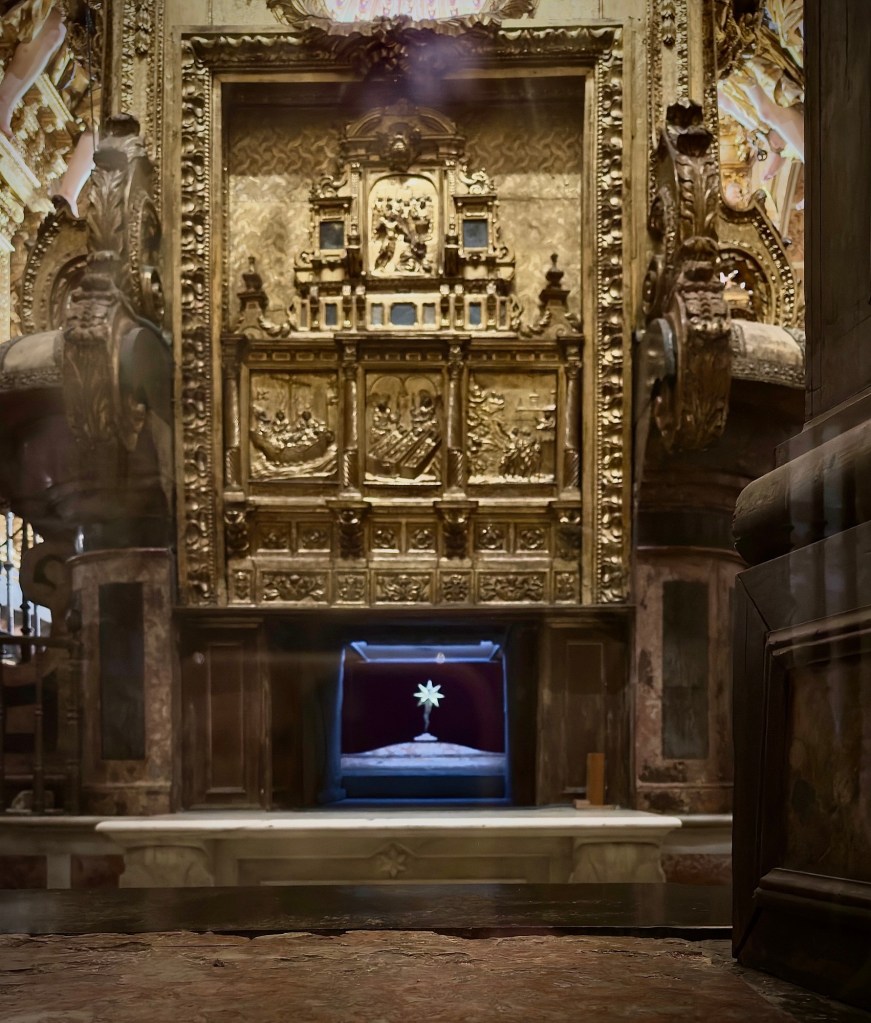
From the back, you get another hint of what you are searching for.
The little star is the clue…
According to medieval tradition, after his martyrdom in Jerusalem around AD 44, the body of St. James the Greater was carried by his disciples to Galicia in northwestern Spain and buried there. Over the centuries, the location of the tomb was forgotten.
Around AD 813, a hermit or monk named Pelayo (Pelagius) began seeing mysterious lights—often described as stars—shining over a wooded place called Libredón. He reported the phenomenon to Bishop Theodomir of Iria Flavia, who investigated and discovered an ancient tomb containing remains believed to be those of St. James and two of his disciples.
King Alfonso II of Asturias was informed and ordered a church built over the site. That shrine eventually developed into the great Cathedral of Santiago de Compostela and became one of medieval Christianity’s major pilgrimage destinations.
The famous explanation that Compostela means campus stellae, “field of the star,” comes from this tradition. It is beautiful and very old, although modern linguists generally think the actual origin of the name Compostela is different. The star, nevertheless, became one of Santiago’s enduring symbols—heaven itself, in the legend, pointing pilgrims toward the apostle’s resting place.
Taking several steps further down, you find the Apostle James. It is very moving.
I had about 30 seconds with him alone, then the other pilgrims began filing in, but for those 30 seconds… yeah.
I have now prayed before the remains of Peter, Paul, James, Josémaría Escrivá, John Paul II, and several others (and let’s not forget Fatima). It is always an experience and you feel the… what?… connection seems like such a weak word.
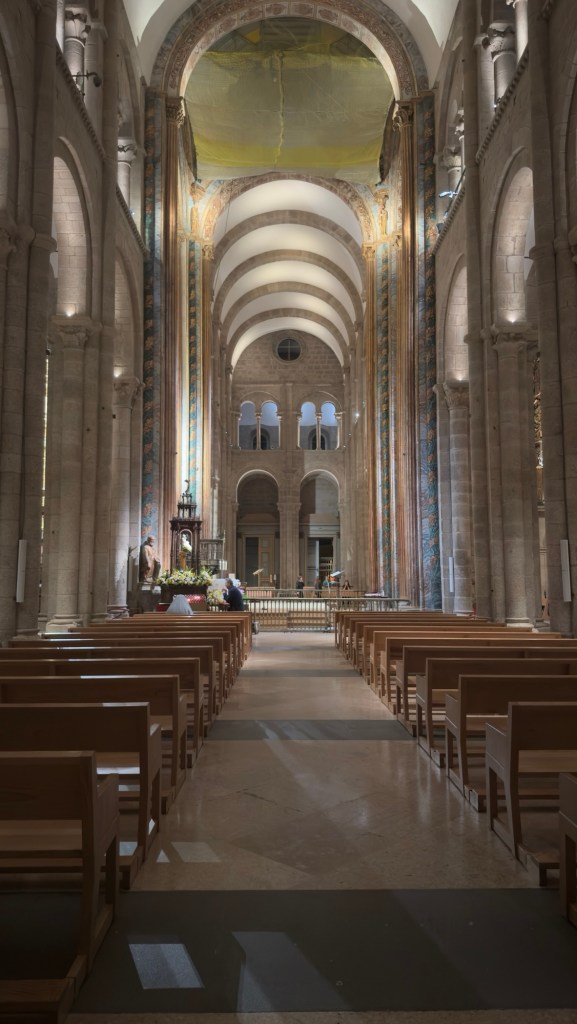
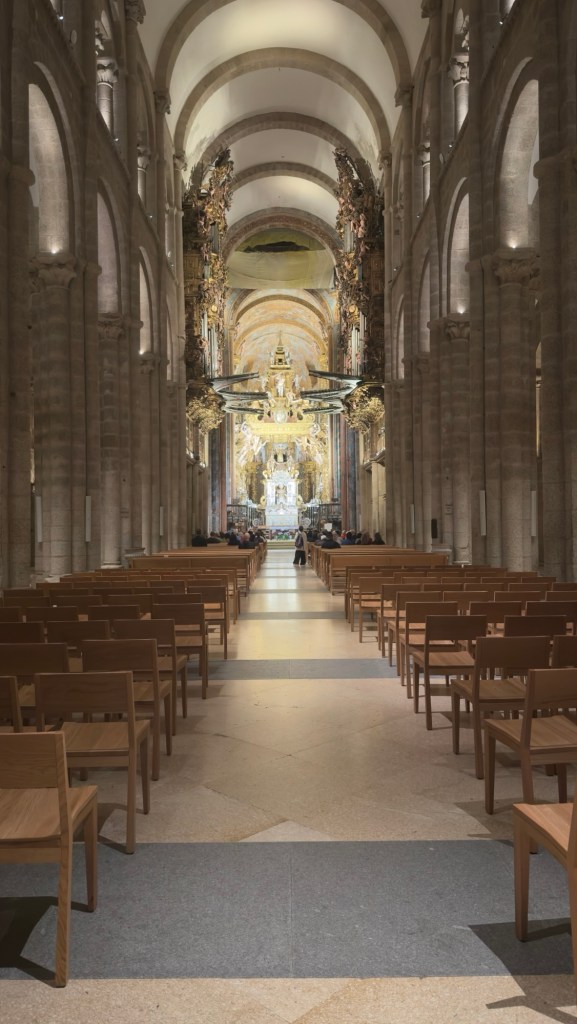
Different angles of the cathedral…
Side-to-sideBack-to-front
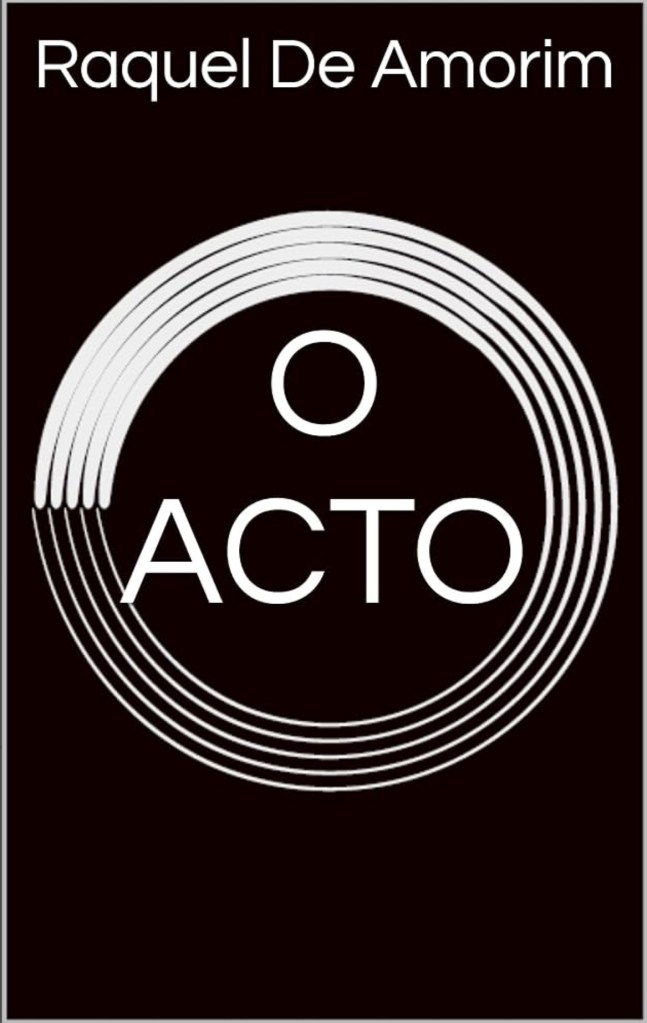
I came back and visited with a lady from Brazil. She is a lawyer and an author. All of her books are in Portuguese, but if you like…
From there, I was off to the “office.” I continued to work on my report on the artwork and other bits of San Fiz’s history while attending to the duties. Visitors come in singles or many at once. It is very rare that I’m in the church alone.
When I am, I take silly pictures (or proof that I’m actually here!)…
There was octopus for lunch with roasted potatoes and chips with chocolate-filled biscotti for dinner… just working the spectrum.
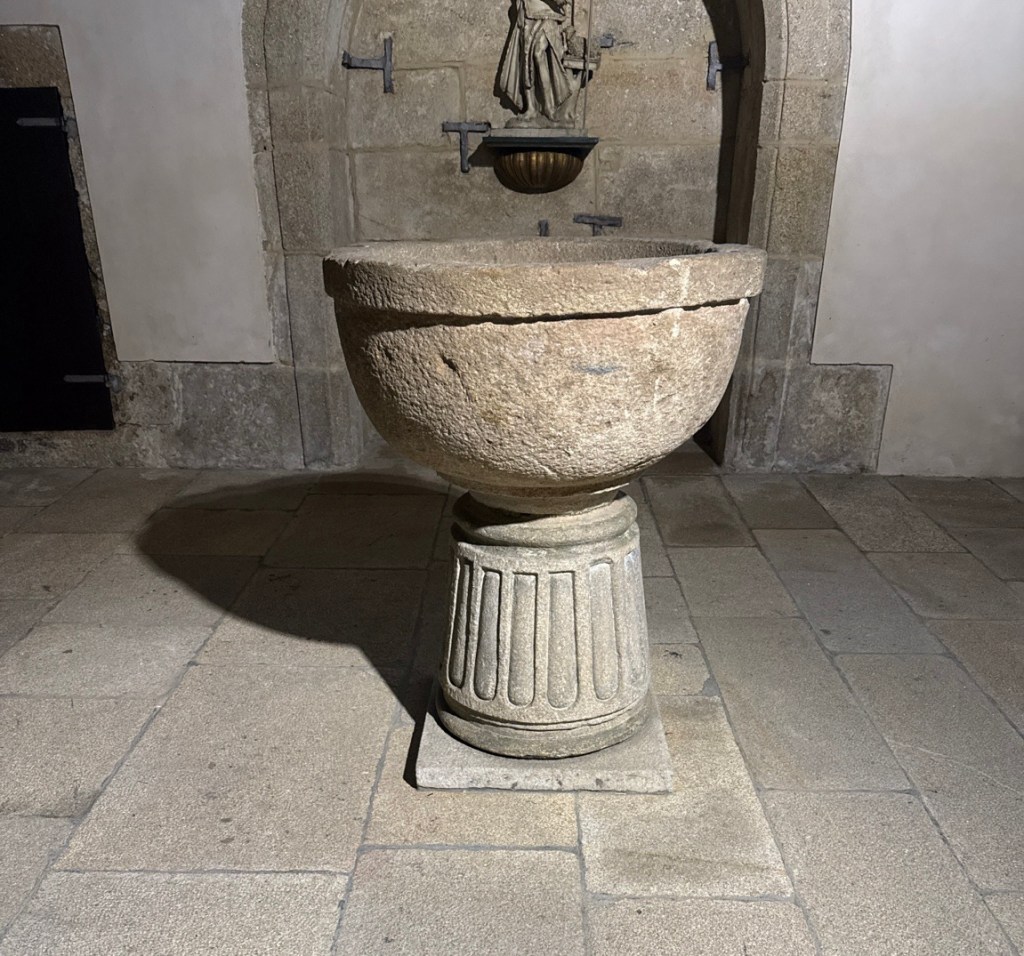
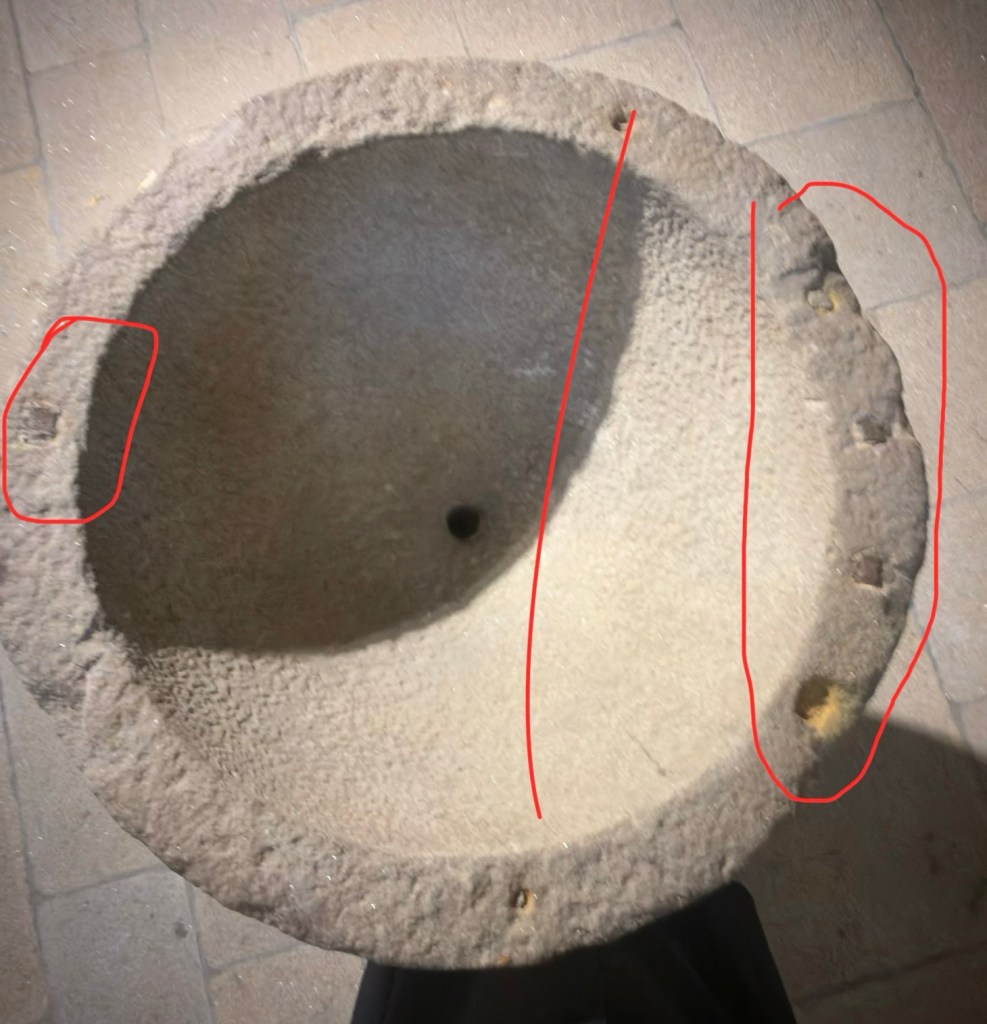
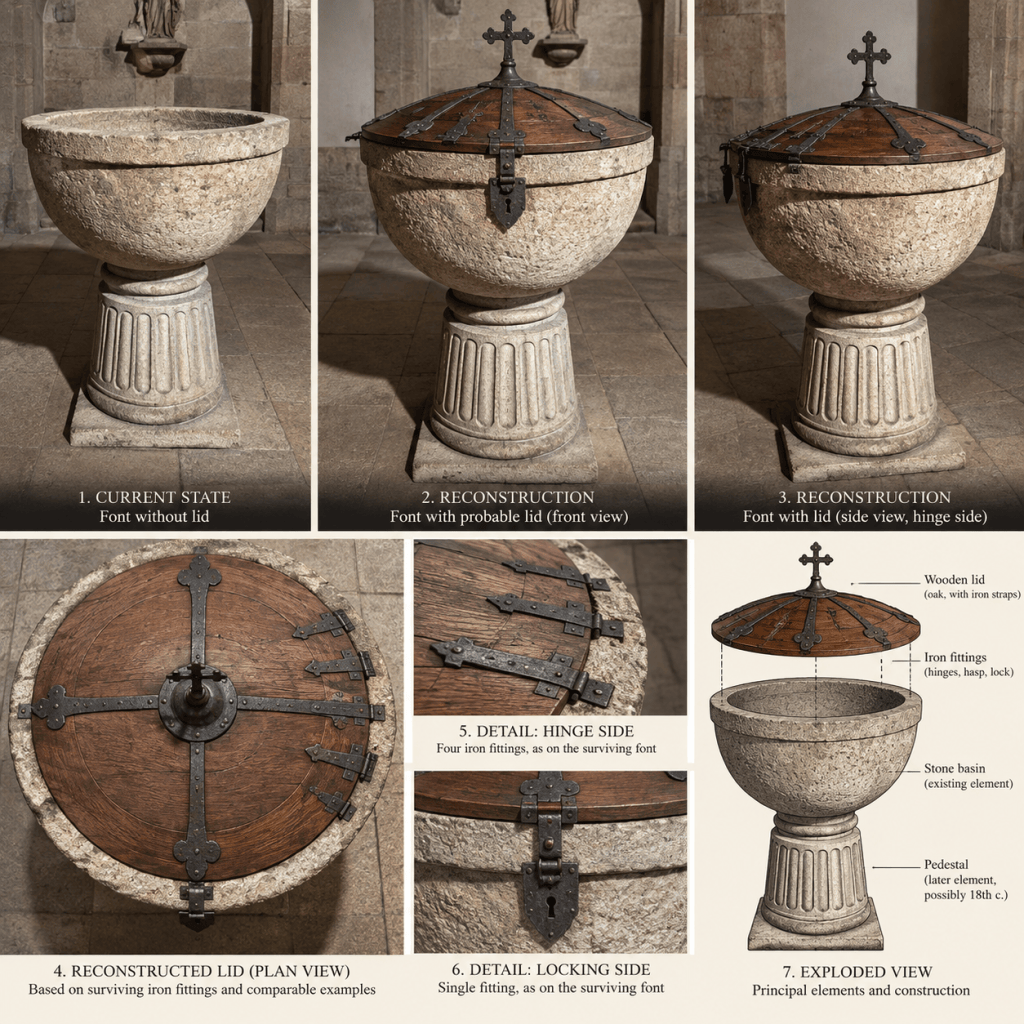
As a hint to the “research project”: this is the baptismal font located in the church. The base and pedestal are from two different centuries. I found the seven holes on the rim interesting and wondered what they were for. Research indicates that there was perhaps a locking lid (formally required) and several other instances could be found, so I asked to recreate what it may have looked like. How the font currently looks…
Based on intact examples, a rendering of the font may have looked something like this…
Is that what it would have looked like? I don’t know, but I’m making a fairly educated guess that it is close.
Something to do while I attend to the church and visitors.
I pray you are all well. I am happy to light a candle for you in the Church of San Fiz if you like. Just send me a note or comment on this post.
Blessings!
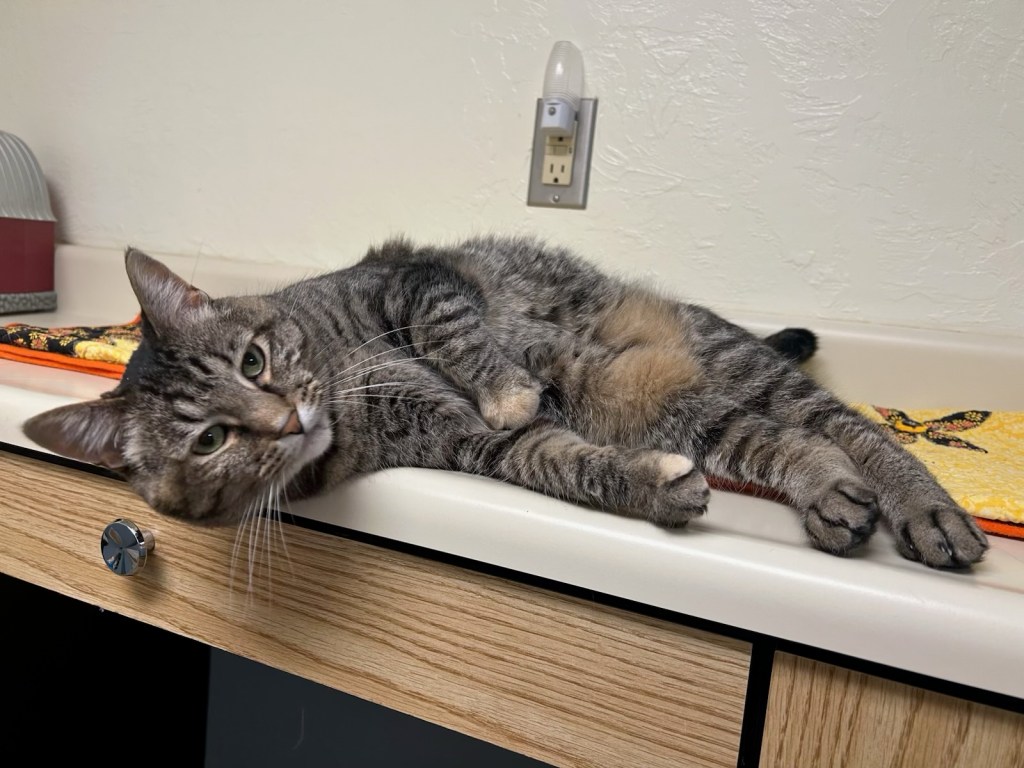
FYI: Her Royal Felineness seems a little less hissed off than a few days ago and also appears to be coming close to slinkying off the counter…
This was my day off and it was whirlwind tour day: Muros, Hórreo de Carnota, Xallas, Cape Finisterre, Fisterra, Muxia, and Ponte Maceira. Here we go…
Muros: a beautifully preserved Galician fishing town where granite arcades, narrow streets, and sea all come together. Its harbor still feels genuinely working rather than staged for visitors.
We only had 45 minutes here, so I headed straight for the Church of Santa Maria do Campo (the traditional name) / Igrexa San Pedro (current parish name).
The plate outside states: Currently, it is the parish church of Muros. From its original construction, in the 13th century, the Romanesque façade must be highlighted. Inside, there is an example of the Maritime Gothic style, with a single nave made of several wide pointed arches, which give the building the shape of an upturned ship. This building was converted into a Collegiate Church in the year 1500, thanks to the privilege granted to the town by the papal bull of Alexandre VI. After the conversion, successive improvement works were promoted, such as the creation of side chapels, a baptistery and a tower bell, which was built by the Guild of Fishermen, one of the main benefactors of the tempie. In 1851, surrounded by the political conflicts of the 19th century, the temple lost its status of Collegiate Church. Inside the church, the water font is remarkable due to its ubmerged sculpture of a snake that symbolizes triumph over sin.
Yeah. It’s a snake!
Inside…
Beautiful statues in the many side altars…
And then… the scariest Jesus I’ve ever seen! My goodness, these Spaniards have a way of making a point.
One of the primary “crops” of Muros is muscles. There are many farms. These long ropes are dangled below the floating farms and the muscles attach, grow, and are harvested.
Hórreo de Carnota: A hórreo is a traditional raised granary found especially in Galicia and Asturias in northern Spain. It was built to store corn, grain, potatoes, and other food while keeping them dry and safe from rodents.
Most are about this size…
The design is such that mice could climb up the pillars but the small round top of the pillars that the building sits on is flat and the little vermin couldn’t navigate them. The slats on the sides are for airflow. They are no longer used, but if one is on your property, you are required to keep it standing and repaired as they are considered part of the regional heritage.
As I said above, most are smaller, but we saw one of the largest…
Who would need such a large hórreo? Why the Church, of course. At the time, farmers were required to tithe 10% and the Church needed somewhere to store it all. See a big hórreo, look around… the church will not be far.
Xallas: Everything is big in Xallas and this was a big waterfall. Over 100 feet high. The water at the bottom is a combination of sweet water and salt water as the Atlantic Ocean is very near. In the past, the waterfall was much greater, but most of the water is now running a hydroelectric plant.
Cape Finisterra: We are now traveling along the the Costa da Morta (Coast of Death), getting its name from all the shipwrecks.
Enter the Raqueiros. These bandits supposedly put false lights along the shore—one famous version says lanterns were attached to cattle—so sailors would mistake them for safe harbor lights, steer toward shore, wreck on the rocks, and leave their cargo available for plunder. There were plenty of ships to plunder after they wrecked, but apparently an archbishop declared that all found property belonged to original owner and had to be returned. Yeah… and they also outlawed liquor in the USA for a while. I’ll let you figure out if said archbishop was obeyed. The actual lighthouse…
For many years, it was considered to be the end of the world, and it is easy to see why: no more beyond.
Enid, Oklahoma is about 4,500 miles away, straight across the Atlantic.
My artistic shot…
Fisterra: We stopped for lunch and I forgot to take pictures! It was good—Longueirón (Knives) from Fisterra and Galician Scallops. And then to the place I’ve been waiting for…
Muxia: I’ll let the pictures do the talking here, but will tell you that I was right down there below that big rock with red dot.
I posted a video on Facebook if you can get to it.
There is a church, but a lightning strike started a fire and it was gutted. Repairs are underway.
That is actually a large picture of the altar.
And just being weird here, but there was a large pile of rubble outside the building that the workers had been clearing out. Caught one of them on a smoke break and asked for a piece. He smiled and found me a good one. Yeah. It’s concrete, but it was close…
Last stop—Ponte Maceira: a bridge that spans the Tambre River on the Camino from Santiago toward Fisterra. According to medieval legend, Saint James’s disciples, Theodore and Athanasius, crossed an earlier bridge here while fleeing Roman soldiers after seeking permission to bury the Apostle. As their pursuers followed, the bridge miraculously collapsed, leaving the disciples safely across the river. The present medieval bridge came centuries later, but its seven stone arches still carry the memory of that miraculous escape.
That was nine hours of my life that I wouldn’t trade. Such an amazing and rich history here. Google these towns and ask about the legends surrounding them, especially regarding the Camino de Santiago and St. James. Fascinating.