I’m a bit weary. It has been an amazing week. Tomorrow is my last day in Santiago. Get up, breakfast, pack, run and to the duties at the church, run back to the Casa, finish packing, head to the train station, arrive in Madrid about 11:30 p.m., bedtime about 1:00 a.m. Oy!
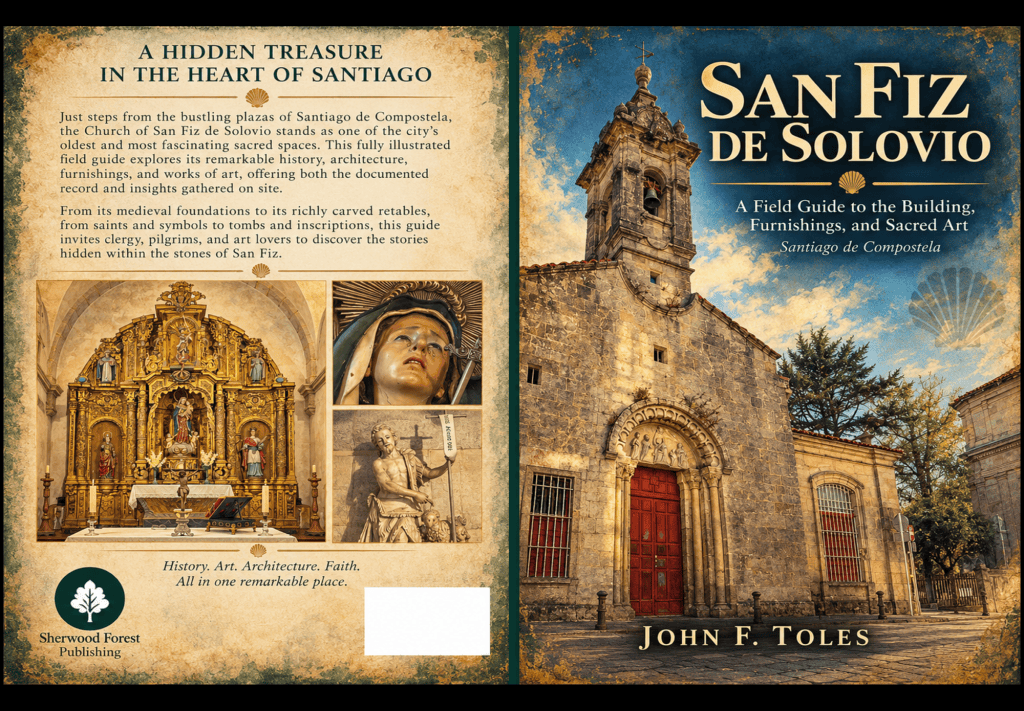
What did I do today, you ask? Here is a tease:
It is nothing really special and the formatting is not great, but it is a record of the church. If you ask nicely, I’ll send you a .pdf of the file. If you ask rudely, I’ll send you the Amazon link and make a wee royalty off of you. hahahha.
If I were you, I’d save my money for Birdy, which will be out in December.
Tired. Time to sleep. Oops… clothes in the dryer, then sleep.
Exhibit: The Sense of Beauty: Six Centuries of Painting from Museo De Arte De Ponce. Flaming June is a painting I have loved since I first saw it… probably in my 20s. It made its way to the top of the things to do when I heard it would be showing in OKC. It was worth the wait!
Miguel Trelles Puerto Rican, b. 1969 Philanthropist, 2000 Oil on canvas Raised in an academic and literate environment, Miguel Trelles is an artist, curator, and cultural manager based in New York City’s Lower East Side, committed to increasing the visibility of the Latino community in the city’s visual and performing arts scenes. His artistic work is notable for blending elements of Chinese and Latin American cultures. For this work, Trelles drew inspiration from figures such as American philanthropist Paul Mellon and Luis A. Ferré, founder of the Museo de Arte de Ponce, who was a key supporter of his artistic career from the beginning. The subject of the painting appears seated on a sofa, while an early modern portrait hangs on the wall behind him. This painting within a painting serves as a nod to the philanthropist’s role as a collector, highlighting the connection between art and patronage.William-Adolphe Bouguereau French, 1825-1905 Far from Home, 1868 Oil on canvas This canvas was among the first artworks acquired by Luis A. Ferré for the Museo de Arte de Ponce. It depicts two young sisters who survive by performing music and begging on the streets of Rome. William-Adolphe Bouguereau’s idealized figures, set against a classical-inspired architectural background, illustrate the theme of poverty without the harsh realism that can be unsettling. A polished finish, muted color palette, and classical poses define his work. Although Bouguereau stayed a dedicated supporter of the academic style throughout his career, this painting reveals an interest in the new themes that emerged during the second half of the nineteenth century, when increased social awareness led to the portrayal of scenes from daily life.Lucas Cranach the Elder German, 1472-1553 Judith with the Head of Holofernes, ca. 1527-1537 Oil on panel Lucas Cranach the Elder served as a court painter for the prince-electors of Saxony, who were based in Wittenberg. At the court, he befriended Martin Luther and supported his criticism of the Catholic Church. In this powerful portrayal of Judith, the heroine of the Old Testament, Cranach depicts her as victorious after beheading Holofernes, the Assyrian general who was besieging her city. Juxtaposing serene beauty with gruesome triumph, she is elegantly dressed in a red velvet contemporary gown trimmed with brocaded fabric and a pearl-embroidered trunk. She holds the enemy’s head with her slashed gloves, which reveal her lavish rings. Her gentle face, with the delicate features typical of the artist, is framed by the golden halo of her hair and jewel-encrusted necklaces. Judith’s story has been interpreted as an allegory of the struggle between good and evil, and, therefore, Cranach may have envisioned this composition as a symbol of the battle between the Protestant Reformation and the Catholic Church.Doménikos Theotokópoulos, “El Greco” l Greek, 1541-1614 Saint Francis of Assisi in Meditation with Brother Leo, ca. 1600- 1605 Oil on canvas Representations of Saint Francis of Assisi, especially those depicting his ascetic and contemplative life, exemplified the Christian life that the faithful were expected to follow according to the principles of the Counter-Reformation, initiated by the Council of Trent (1545-1563) to strengthen Catholic influence in response to the Protestant Reformation. Art played a crucial role in this effort, aiming to inspire faith and devotion through the visual expression of spiritual intensity. Building on the popularity of devotional art, El Greco created numerous depictions of the saint, with more than 30 versions of the composition showing Saint Francis alongside Brother Leon, his secretary and confessor. To meet the growing demand for devotional paintings, El Greco relied on the help of his assistants. Contemporary sources describe the small samples he would show clients, from which they could choose their preferred composition, with the value based on the artist’s involvement. The painting’s dramatic lighting and elongated forms are characteristic of El Greco’s style.Pedro Machuca Spanish, ca. 1490-1550 The Descent of the Holy Ghost, ca. 1520-1530 Oil on panel On the Christian feast of Pentecost, the Virgin Mary and the twelve apostles gathered in Jerusalem. During this gathering, they witnessed a miracle: the Holy Ghost, depicted as a dove surrounded by a large halo, descended into the room and empowered everyone to speak different languages, enabling them to preach the Gospel in foreign lands. The Spanish painter Pedro Machuca worked in Rome, most likely in Raphael’s renowned workshop, before returning to Spain in 1520. It is believed that he created this intensely emotional piece after returning to the Iberian Peninsula. Machuca brought with him artistic innovations that were popular in Italy at the time. The painting demonstrates the use of perspective and naturalistic figures, similar to the works of the great masters of the Italian Renaissance. Its horizontal format suggests that it was originally used as a predella for an altarpiece that would have been placed above it. This panel was one of sixteen Italian and Spanish paintings donated to the Museo de Arte de Ponce by the Samuel H. Kress Foundation in 1962.Tim Cherry – Salmons A’FootTim Cherry – Dreams of SalmonAndrew Peters Sandhill Cranes on the Great Migration Oil, gold, wood, metal | 60 × 60 × 12 in.Scott Burdick Transcending TimePaul Moore Moon Over the Pueblo Oil on canvas | 20 x 20 in.Frederic Leighton English, 1830-1896 Flaming June, ca. 1895 Oil on canvas Flaming June, an iconic work in art history, has been widely reproduced, cementing its place in our cultural consciousness. Its reproductive value was highlighted in one of its earliest reviews, a trait appreciated by its first owner, the publisher of an illustrated newspaper, who admired and promoted it by distributing free reproductions to his subscribers as a Christmas gift. The contemporary audience undoubtedly revered its creator, Frederic Leighton, who was then president of the Royal Academy of Arts in London. The work was one of six paintings Leighton displayed at the Academy’s summer exhibition in 1895, just months before he died in January 1896. Flaming June results from an extensive creative process where the artist experimented with multiple sketches to capture the complex posture of a woman reclining before a Mediterranean seascape. The painting echoes some of the artist’s earlier works and draws inspiration from historical masterpieces, including classical Greek sculptures and Renaissance artworks, especially those by Michelangelo. The interplay of line, color, and light offers a unique interpretation of Mediterranean antiquity, captured in the slumber of a sensual female form. Luis A. Ferré’s acquisition of the painting in 1963 for the Museo de Arte de Ponce, during a time when Victorian art was undervalued-this piece had been out of the public eye for more than three decades-reflects the philosophy of Ferré and his advisors, who aimed to acquire “pictures of quality, irrespective of their ‘fashion’ in the market,” thus contributing to the formation of the museum’s exceptional collection.I went with Christy and Len
To continue our discussion of the Heavenly Virtues, I have a true story for you. It is a long one, so bear with me. I suspect most of you know some of the details.
In October 1962, a U.S. U-2 spy plane flew over Cuba and snapped a few photos of activity on the ground. Those images led to thirteen days of intense global tension, particularly between the U.S. and the former USSR. It was the Cuban Missile Crisis.
The U.S. deployed nuclear missiles in the UK, Turkey, and Italy. The Soviets returned the favor of close proximity by laying the groundwork to place nuclear missiles in Cuba. Many of President John F. Kennedy’s advisors pushed for an invasion of Cuba; however, Kennedy took a less aggressive approach and instituted a naval blockade around the island, preventing the deployment of missiles from Russia.
It worked, and the Russians reversed course. The U.S. missiles in Europe would also eventually be removed as part of the brokered deal to resolve the issue. This is the story most of us are familiar with; however, over the last week or two, I learned some additional, scarier details about the events.
Those of you who were aware of what was going on probably remember Kennedy’s October 22 speech, in which he stated, “It shall be the policy of this nation to regard any nuclear missile launched from Cuba against any nation in the Western Hemisphere as an attack by the Soviet Union on the United States, requiring a full retaliatory response upon the Soviet Union.” On October 27, also known as Black Saturday, the Soviets planned to complete the installation of the missiles. As part of the overall program, the Soviets were sending in 40,000 troops, along with support equipment, and four diesel submarines—B4, B36, B59, and B130—to patrol the waters around Cuba. Each of these submarines carried 22 torpedoes.
During their sail through the North Atlantic, the subs encountered severe storms and sustained significant damage to the boats. The crew was reported to have been injured, yet they arrived, though not without being detected. On Black Saturday, the US let them know that the US was aware of their presence, especially B59, by dropping echo-ranging depth bombs. These were not designed to destroy the submarine, only to keep tabs on where the submarine was located under the waters. However, having lost all communications with Moscow because of their depth, B59’s captain and crew believed they were under attack and that WWIII had begun. Now, for the scary surprise.
Those four Soviet submarines carried 22 torpedoes each, but only the Soviets knew that on each sub, one of those torpedoes was armed with a 15-kiloton nuclear warhead (about the same size as the bomb exploded at Hiroshima). To make that situation even more horrifying, the submarine’s captain, in agreement with the submarine’s political officer, had full authority to launch the nuclear torpedo without first gaining approval from Moscow. And, just to throw in a bit more to keep you up at night, the B59’s captain and political officer had in fact approved the launch. To add a bit of incentive, the sub’s cooling system and air filtration unit were damaged and dead. The sub was filling up with CO2. Without surfacing, they had less than an hour to live, but to surface—or so they feared—was to be blown out of the water by the U.S. The captain, now suffering from the effects of the CO2, tension, and nerves, said, “The war has already started up there, and we are down here doing somersaults. We’re going to blast them now. We’ll die, but we will sink them all. We won’t disgrace our Navy or shame the fleet.”
They were going to fire a nuclear torpedo that would have destroyed the entire U.S. fleet in the vicinity in a single blinding flash. JFK had already promised to retaliate if something like that occurred and had prepped and aimed 3,000 nuclear warheads at 1,000 targets in the Soviet Union. If the U.S. fired theirs, the USSR would fire theirs. All bets were off. The world was literally minutes away from a full-scale nuclear war. What prevented it? Better question: Who prevented it?
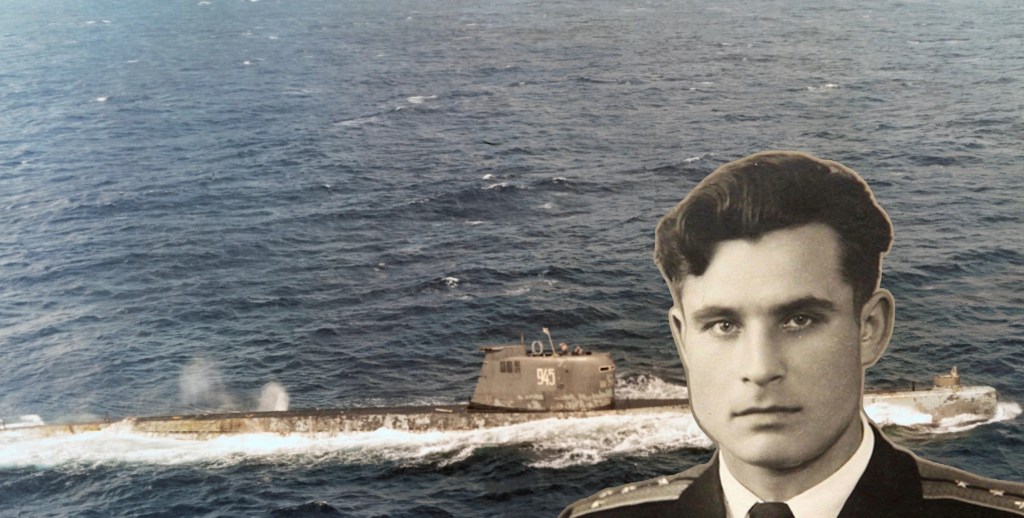
Remember, it only took the captain and the political officer to approve the launch, but aboard B59—and not on any other boats—was a third officer who outranked the captain, so his vote was also needed to launch. That person was Captain Second Rank Vasili Arkhipov.
In the face of all that was happening, the anxiety and terror of the detonations taking place around them, and the pressure from those around him, Vasili said, “No.” He insisted that they break radio silence, surface, and get a message to Moscow before proceeding. His argument and authority won the day.
While underwater, they had the means to send a very local message that was received by the U.S. ship above. The message: “This ship belongs to the Union of Soviet Socialist Republics. Halt your provocative actions.” How did the U.S. command respond? Why, they apologized. B59 surfaced, received word from Moscow that they were not at war, and limped back home.
The history books that cover these events indicate that it was Captain Second Rank Vasili Arkhipov who single-handedly prevented all-out nuclear war and the start of WWIII.
The Heavenly Virtue of fortitude is defined as “the moral virtue that ensures firmness in difficulties and constancy in the pursuit of the good. It strengthens the resolve to resist temptations and to overcome obstacles in the moral life. The virtue of fortitude enables one to conquer fear, even fear of death, and to face trials and persecutions. It disposes one even to renounce and sacrifice his life in defense of a just cause.”
The Heavenly Virtue of Justice is defined as “the constant and firm will to give their due to God and neighbor. Justice toward God is called the ‘virtue of religion.’ Justice toward men disposes one to respect the rights of each and to establish in human relationships the harmony that promotes equity with regard to persons and to the common good.”
If you want to see a visual depiction of what these two virtues look like, look at the picture of Captain Second Rank Vasili Arkhipov on the cover of your bulletin. I have no idea whether the man was a Christian; there is no evidence to confirm it either way, but I will guarantee you this: for a person of his character to be placed in that position, on that submarine, at that time, and to have the fortitude to do what he did—what did Mordecai say to Queen Esther? “Who knows whether you have not come to the kingdom for such a time as this?”
Vasili is reported to have been a shy and humble man, and so, perhaps through the overarching virtue of humility, he was able, through God’s grace, to practice the Heavenly Virtues of fortitude and justice. For that, we give thanks, but what about us today?
Questions we are asked at baptism: “Will you persevere in resisting evil… Will you strive for justice and peace among all people?” Rephrased: When evil, in all its various forms, comes against you, and when the pressure to give in is great, will you practice the virtue of fortitude so that justice might be served, not according to your own ideas of justice, but according to God’s? Will you do so so that all people will rightly be served, cared for, and given the opportunity to live and to thrive? You see, it is very easy to practice fortitude and justice when it comes to your own ideologies, beliefs about right and wrong, and other dearly held tenets, but what about when justice for another runs in the face of those same ideas? Will you humble yourself, set aside your ideas and beliefs, and serve the other? Or will you cave to the demands of others and the pressures exerted by the world around you?
As followers of Jesus, we must pray for humility so that we may practice fortitude and act justly toward all. This is our calling, for Jesus said, “Truly, I say to you, as you did it to one of the least of these, you did it to me.”
Let us pray: Heavenly Father, flood the path before us with light, turn our eyes to where the skies are full of promise; tune our hearts to brave music; give us a sense of comradeship with the heroes and saints of every age; and so quicken our spirits that we may encourage the souls of all who journey with us on the road of life, to your honor and glory. Amen.
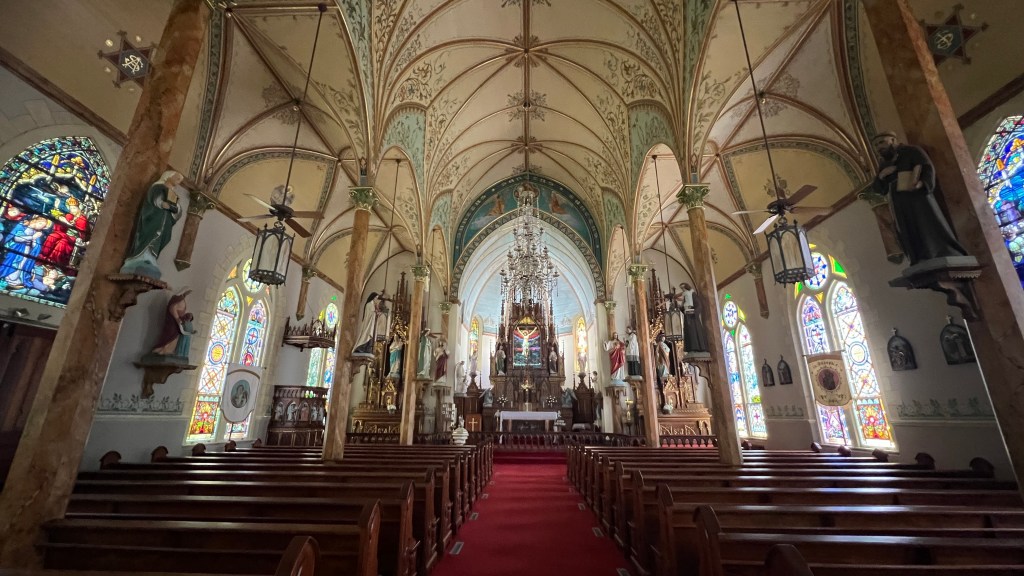
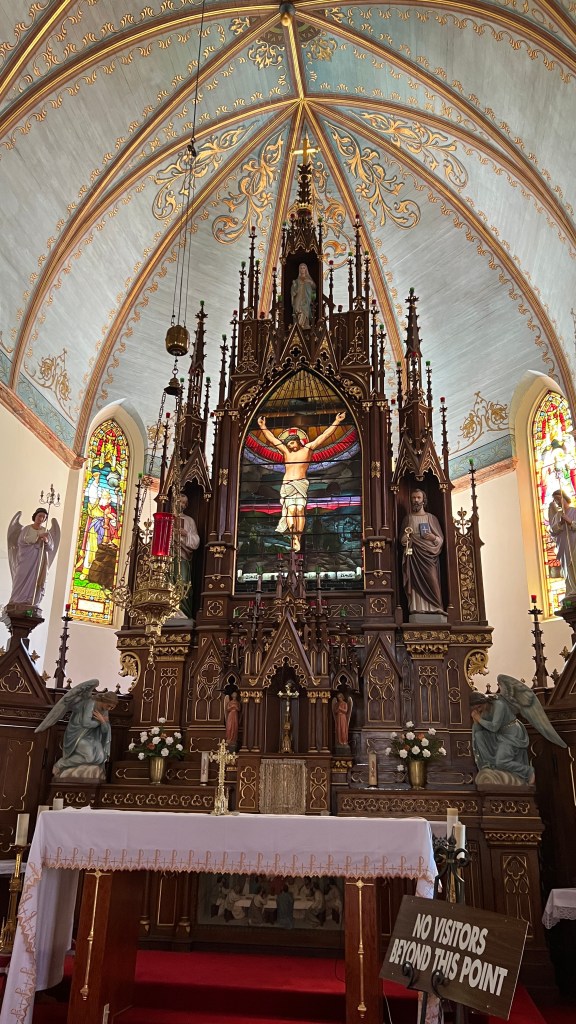
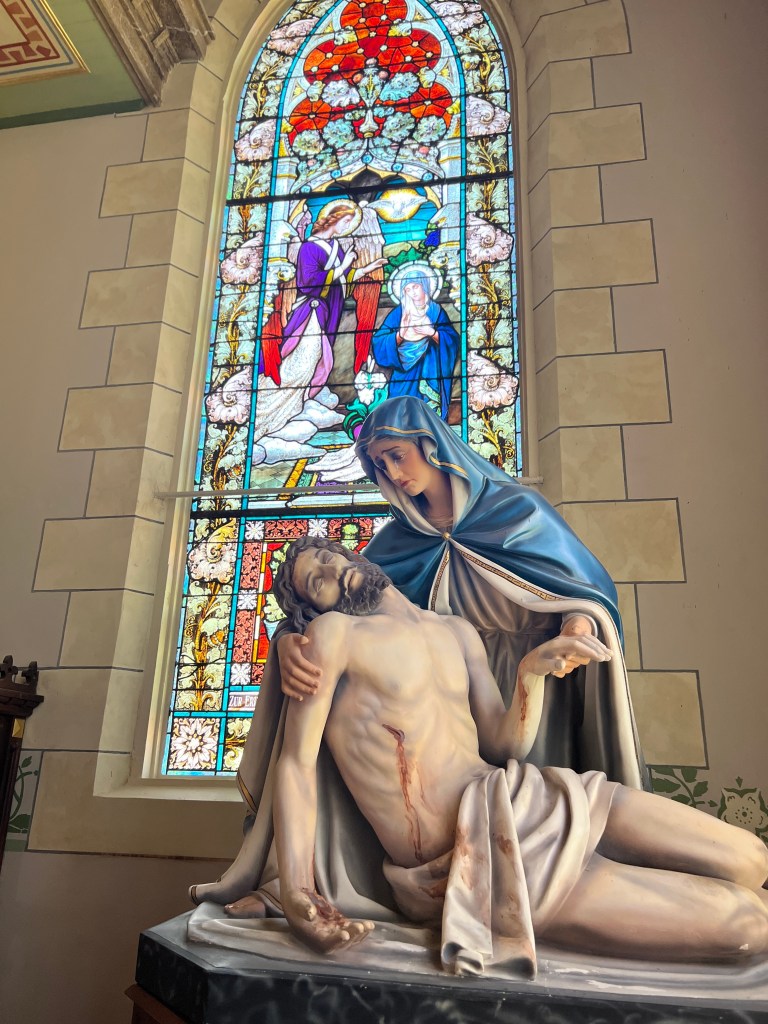
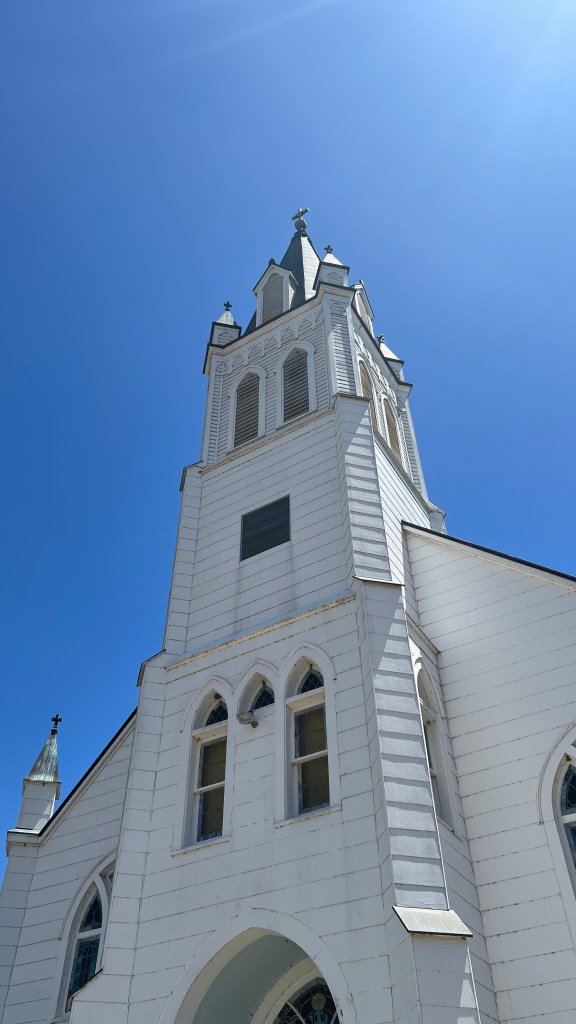
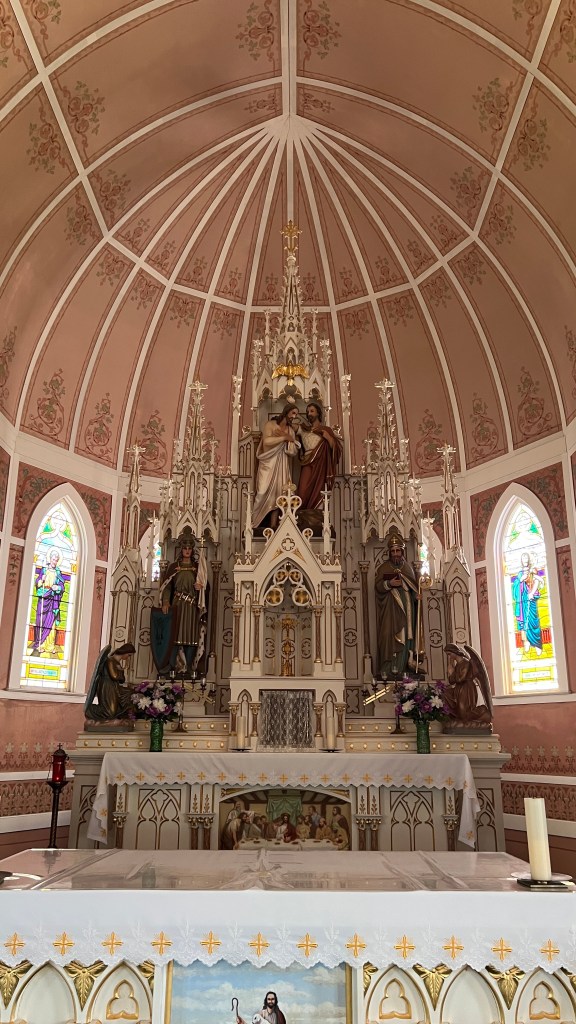
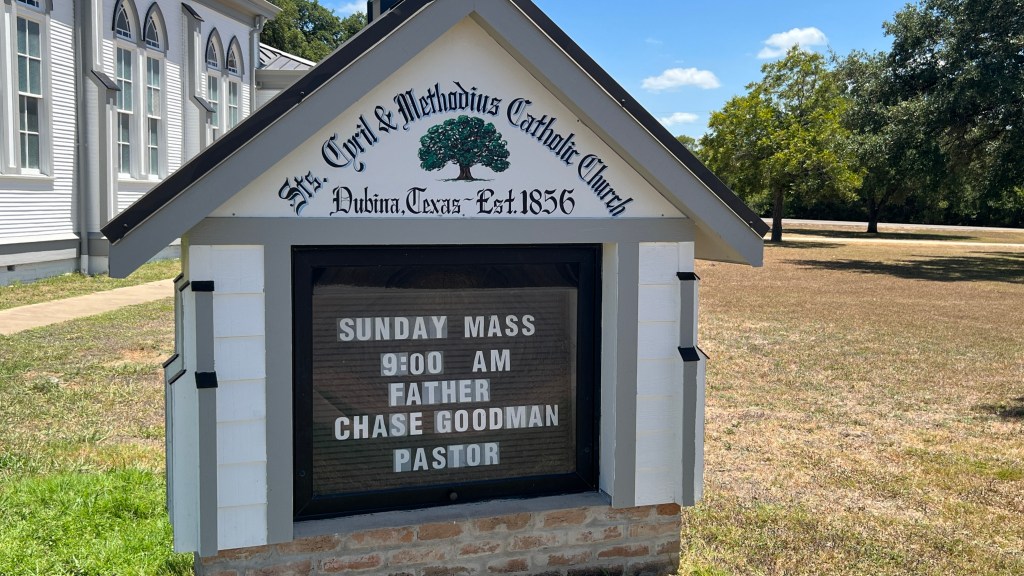
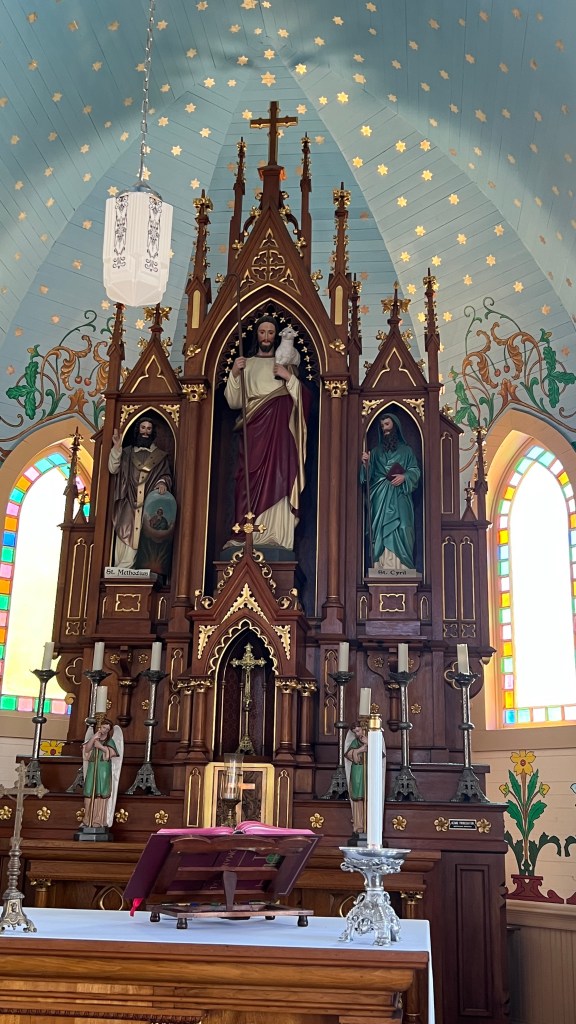
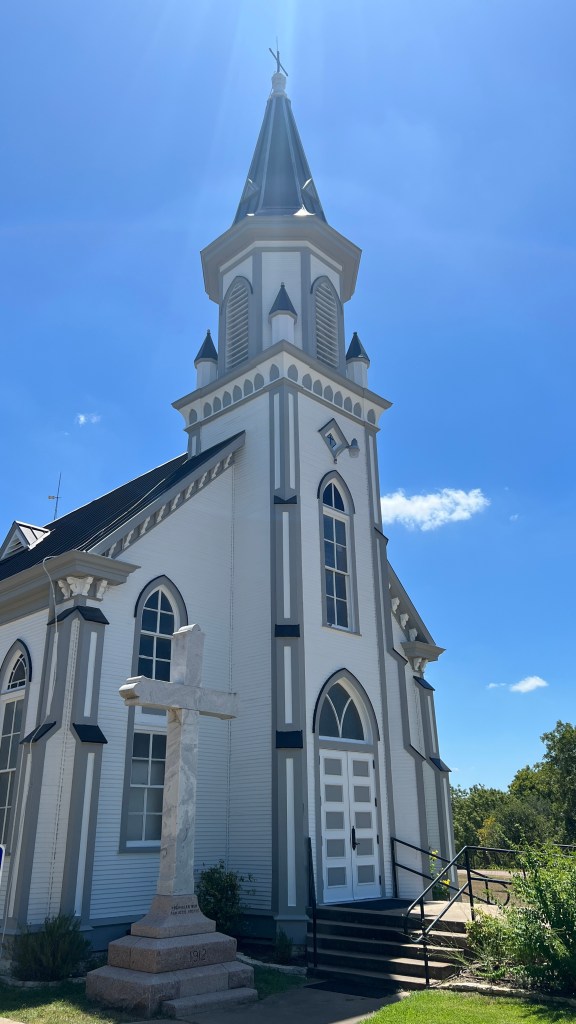
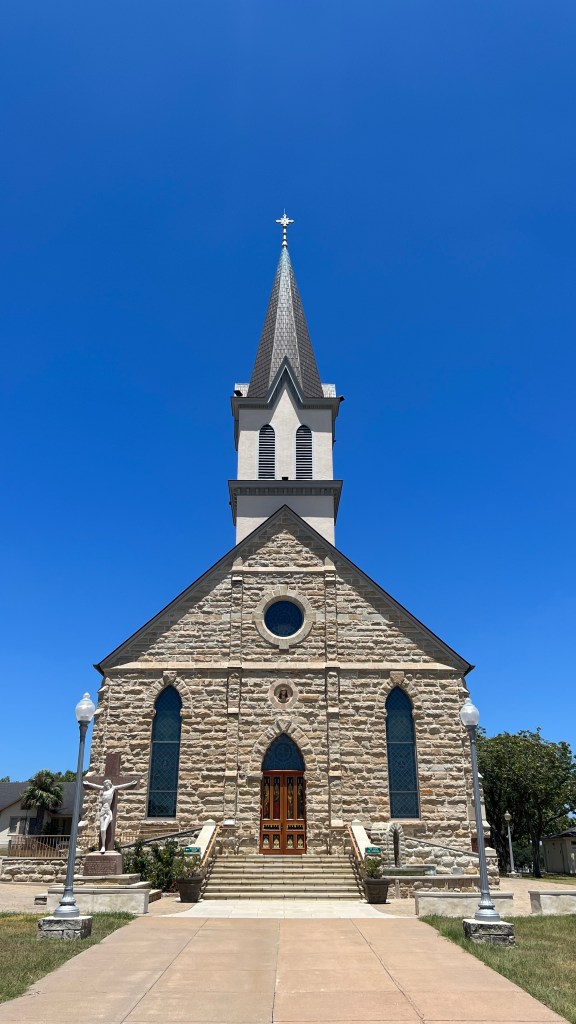
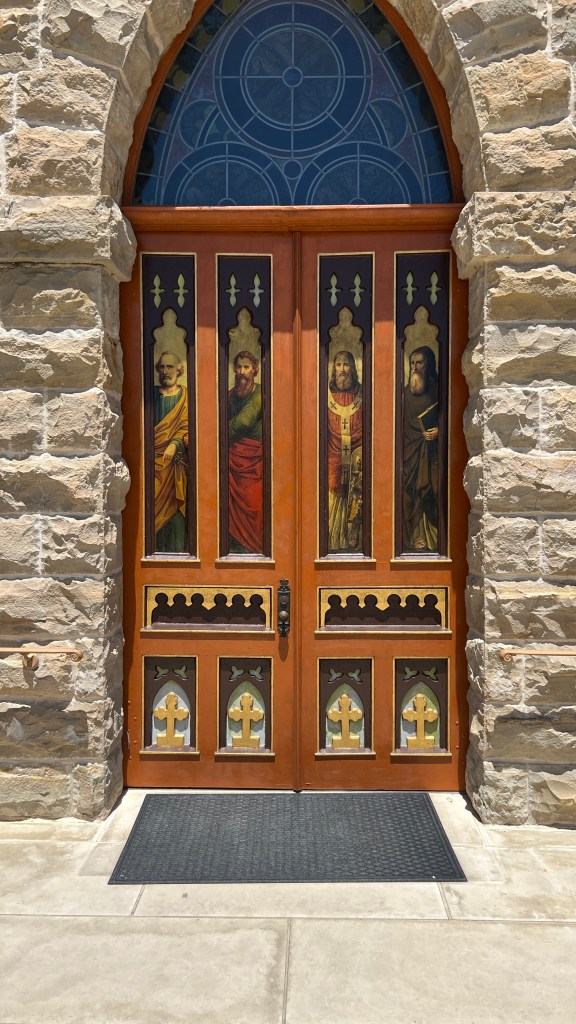
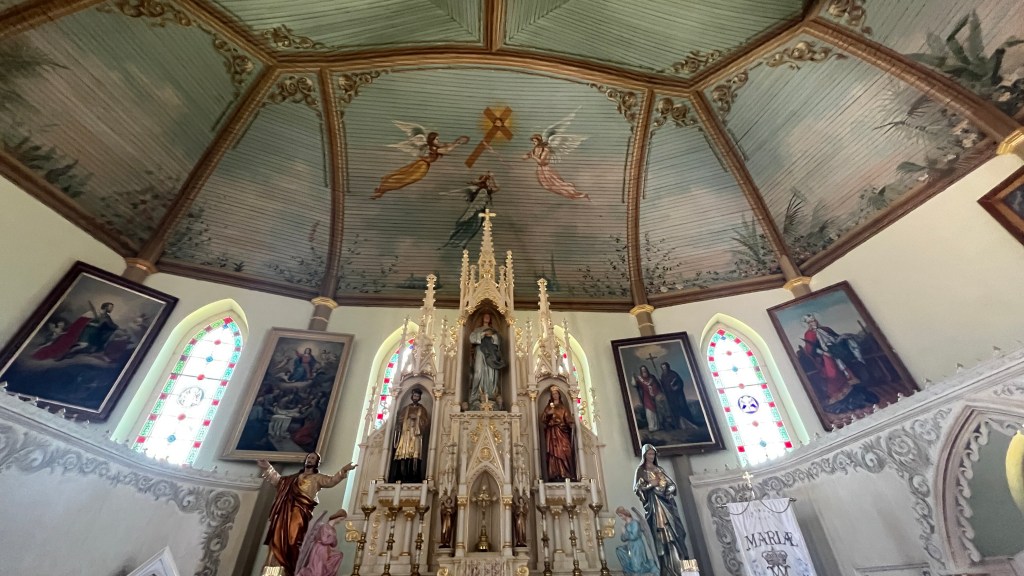
When Czech and German immigrants came to Texas in the 1800s, many settled in the central part of the state and named their towns after the places they’d left—Praha, Schulenburg, Dubina, Fredericksburg. These thriving communities prospered by working hard, helping one another, and praying together.
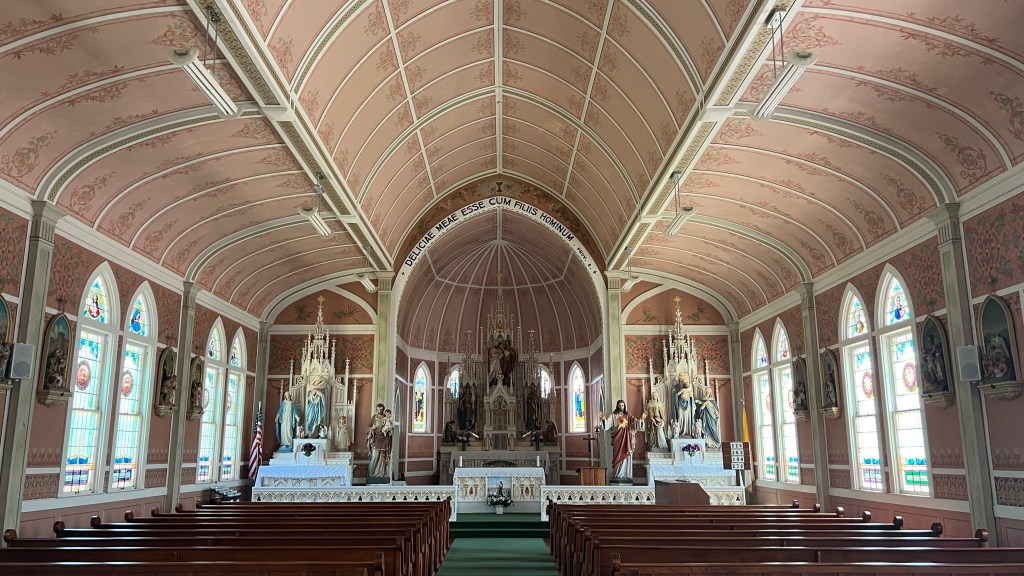
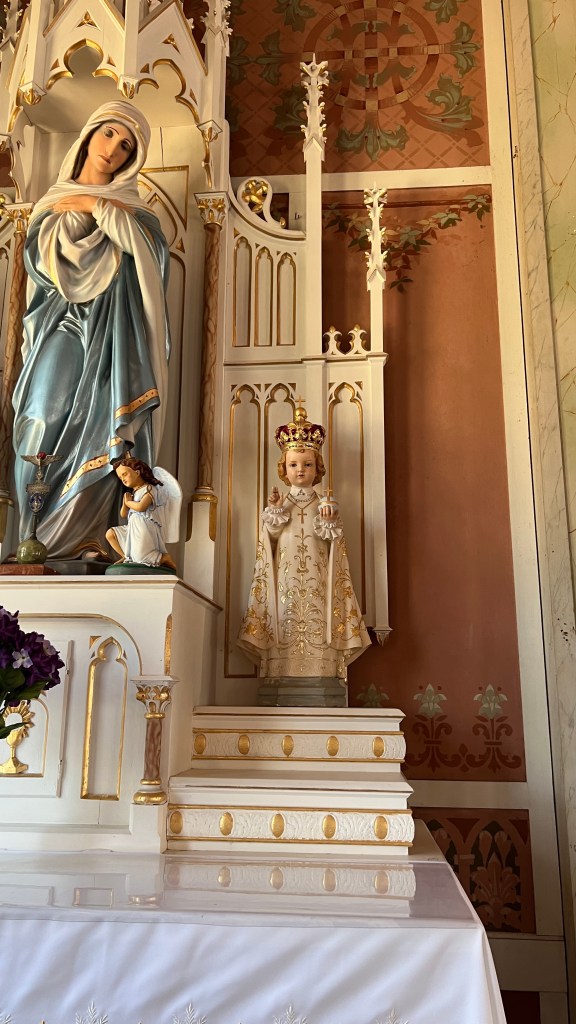
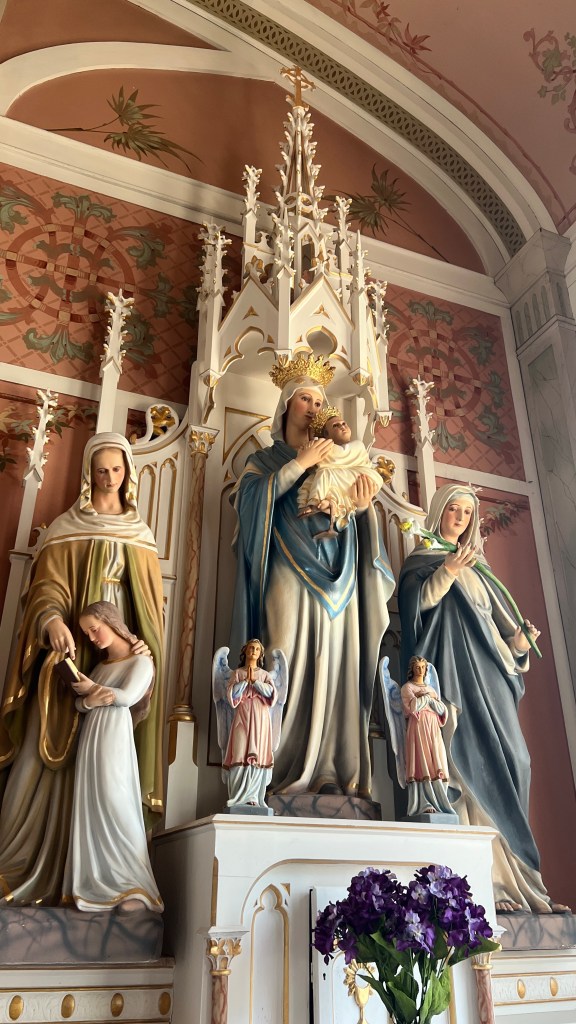
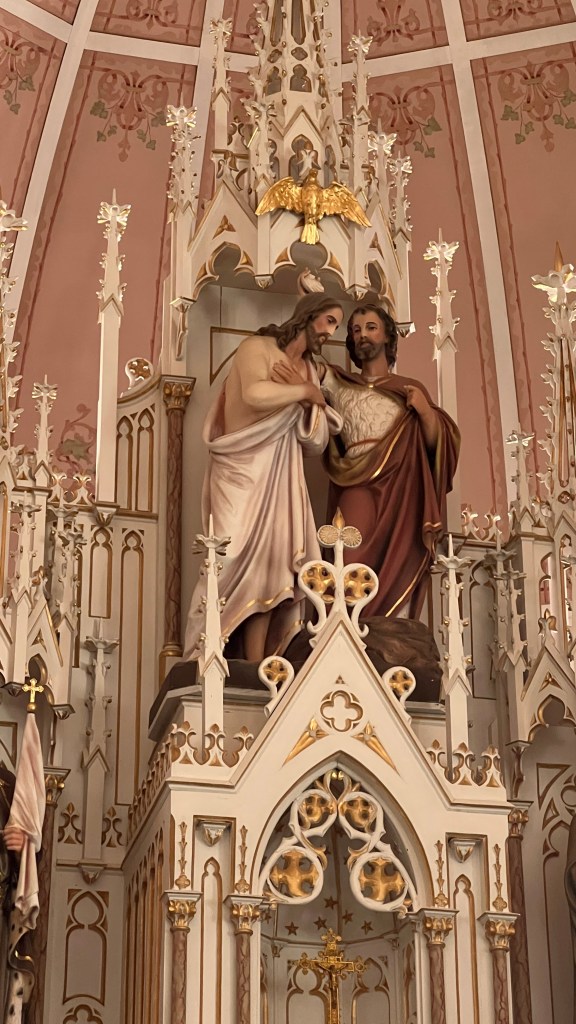
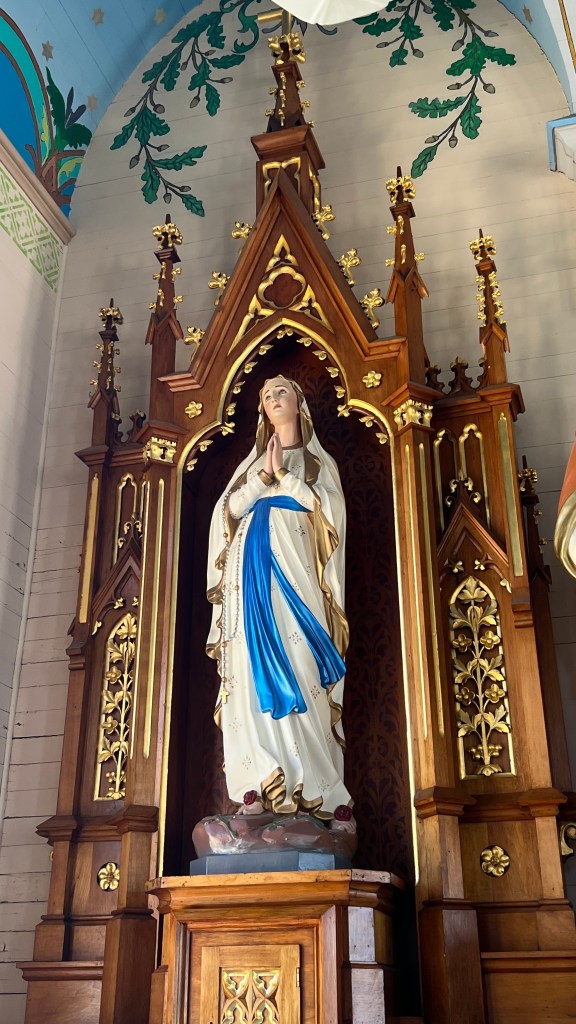
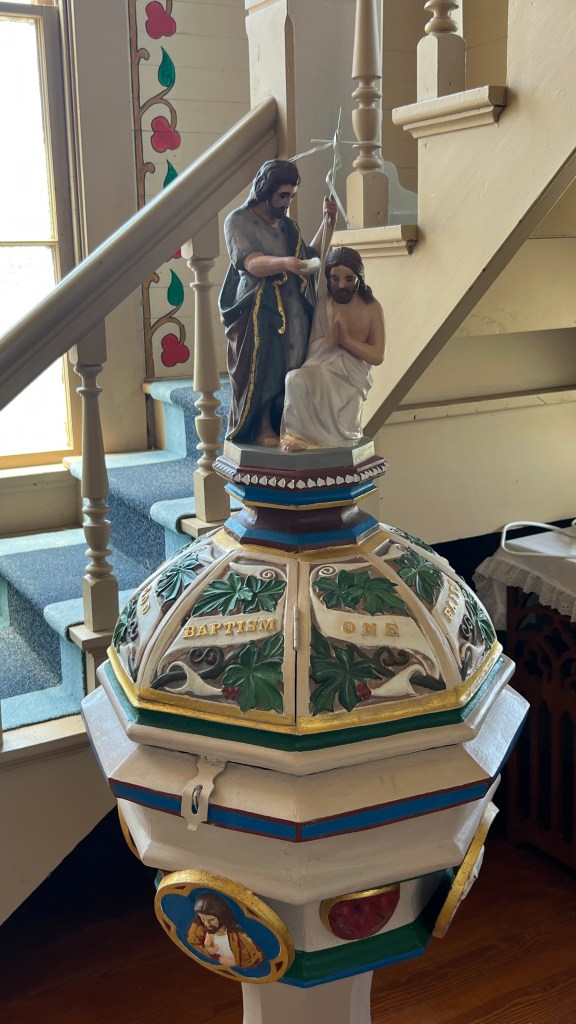
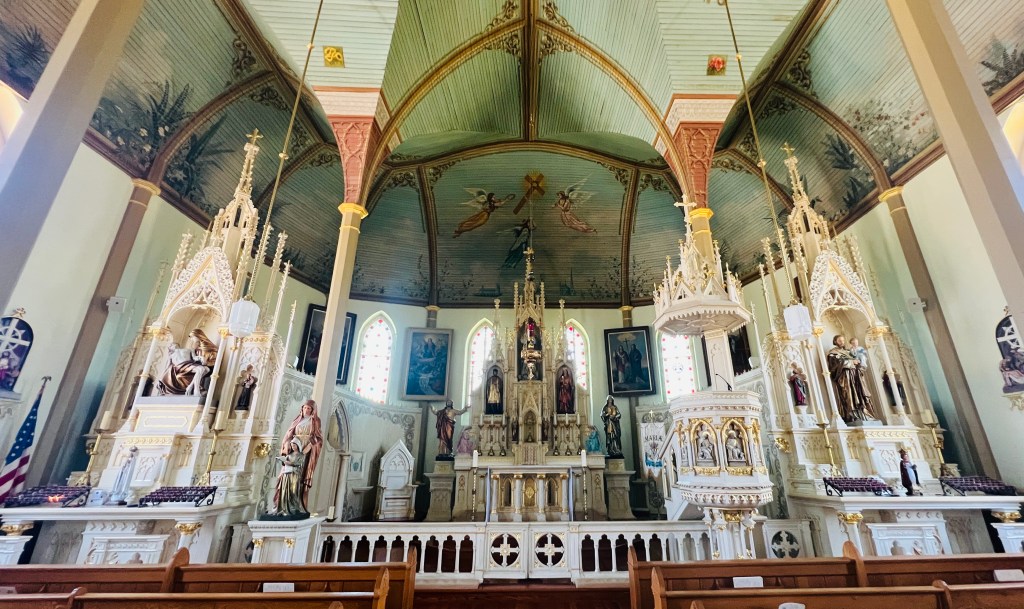
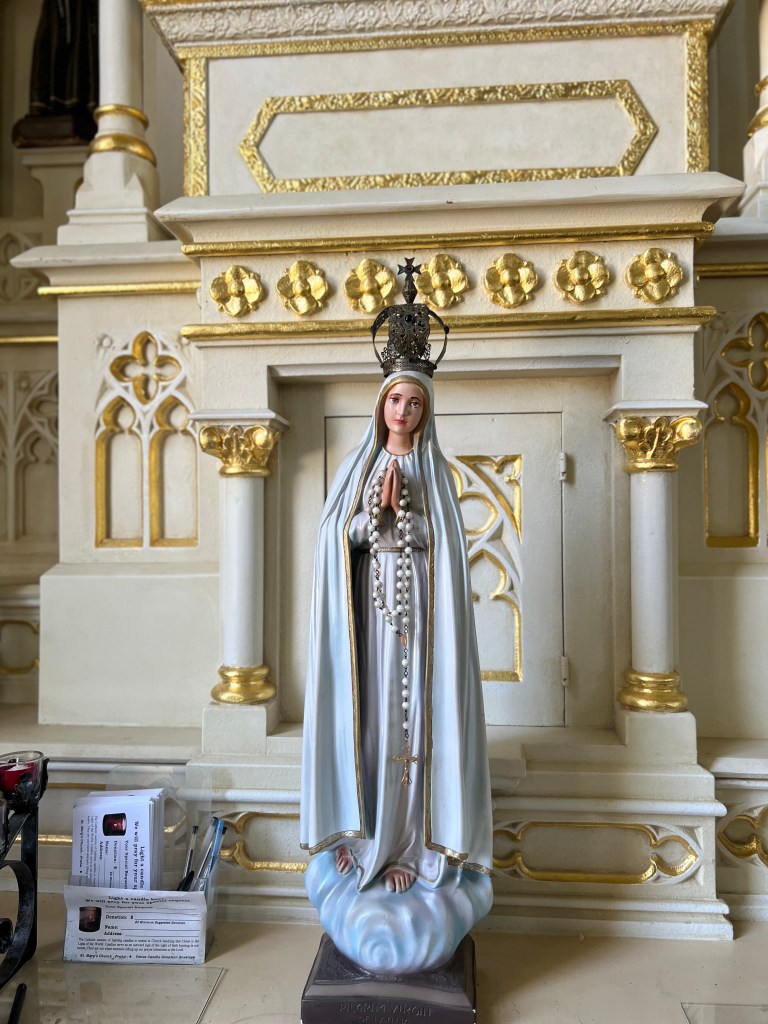
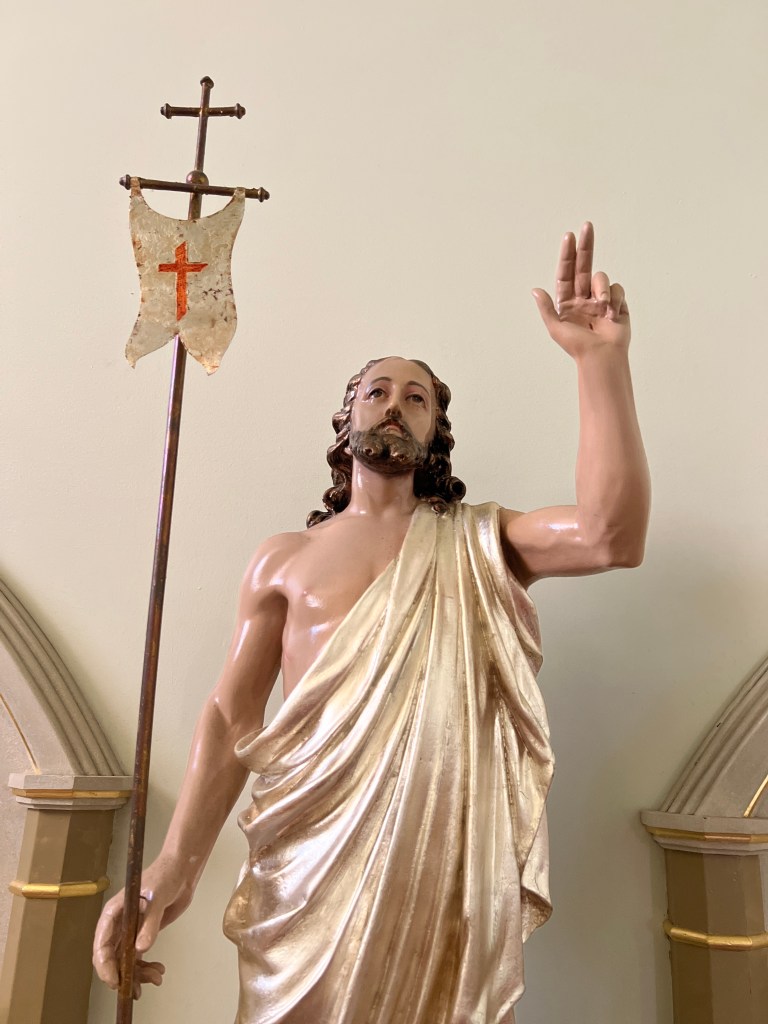
In an effort to make their new churches feel more like the ancient Gothic structures of their homelands, these early settlers painted the walls, altars, and arches of their simple wooden sanctuaries in colorful patterns and clever tromp l’oeil images. These buildings came to be known as the Painted Churches of Texas. Thankfully, they have been preserved and stand today in honor of those whose artistry and devotion created them. (Source)
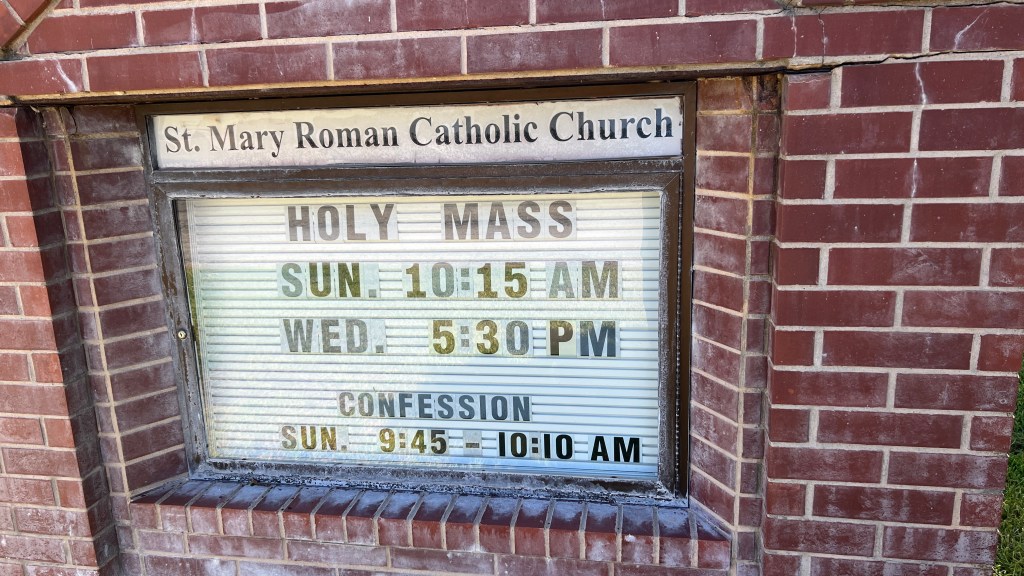
St. Mary’s is considered the Queen of the Painted Churches located in High Hill
St. John the Baptist in Ammannsville (aka: the pink one)