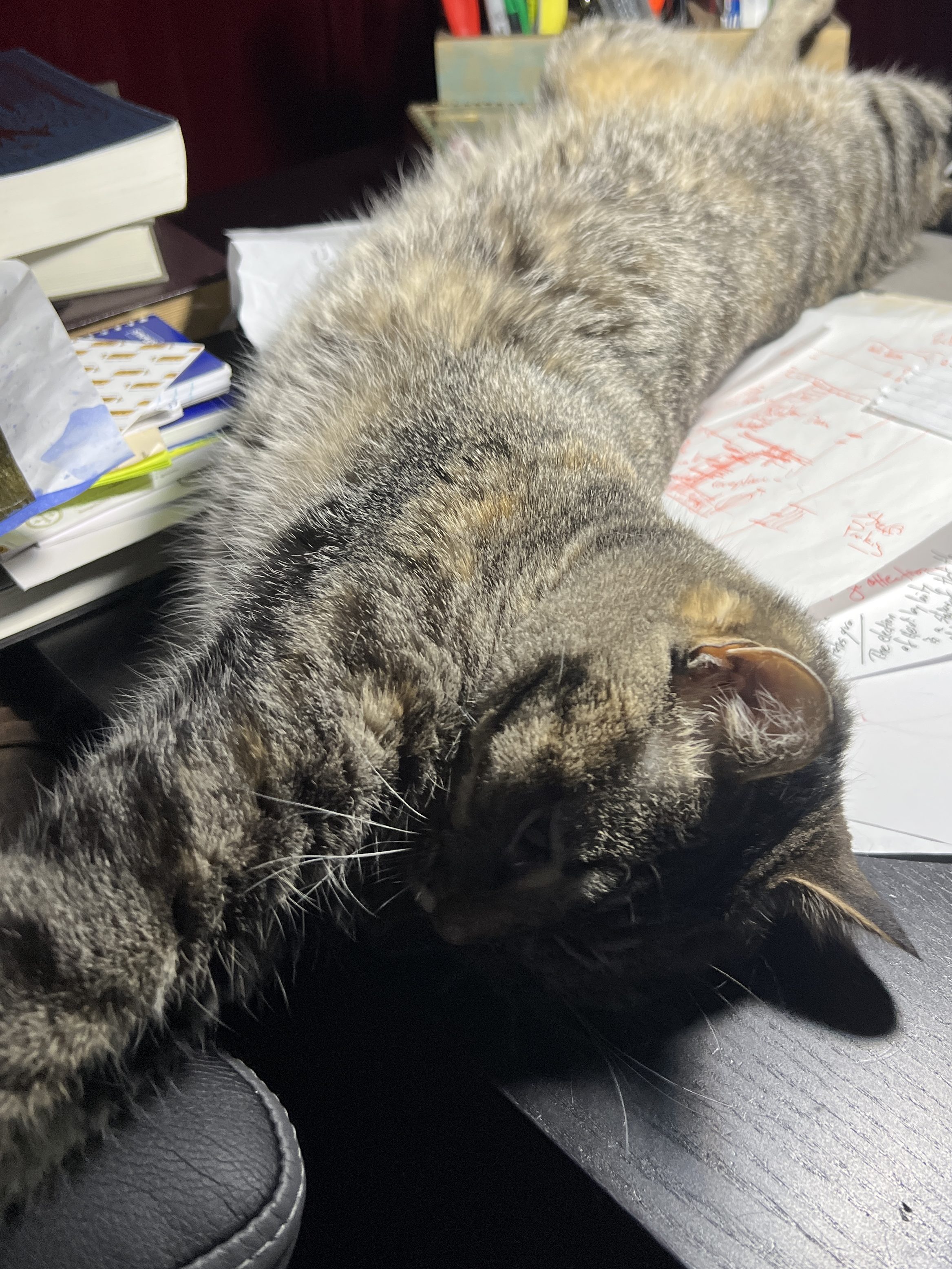
The Queen was always a big help while I was writing. Full of inspiration and love bites to keep we awake. Crazy Cat!
I typed the date and realized that I should probably be journaling about the events of this day twenty-one years ago, but no… there’s been so much of that. Time to find peace even in the horror of it all. Instead, I checked back and saw that it was June 3, 2022, of my last journal entry, and I needed to catch up. (I’ll be off and on with this, so don’t expect one all the time.)
What’ve I been up to? Writing. Writing. Writing. I have finished the third draft of The Marble Finger: a Father Anthony Savel Mystery. What a remarkable process writing a book can be. It seems that every waking moment and available thinking space in the mind can be consumed with something entirely fictitious. I wrapped it up on Saturday, but all those characters are still chatting away in my head, wanting to go off on some new adventure–which, by the way, I’m already plotting… Salt Lake City. A long way from Wisconsin, but… no. No. No. That will have to wait for another time. Must finish up the Finger first. It is presently in the hands of five beta readers. Once they blow holes in it and I attempt to patch them up with bubble gum and ostrich feathers, I’ll get it out. The original deadline was December 1st, but I believe I will be several weeks ahead. Keep you posted–of course, I will! I want to sell a few copies! But… back to that bit where they want to keep chatting.
I’ve been so involved with it for so many weeks now that I’m finding it hard to let go and not want to go back and fiddle with it a bit, to be involved with them and have them fill the mind. That is one of the great aspects of writing: they take over. They do their things and say what they’ve got to say, and you are at their mercy. OH! That does remind me of a movie: Magic. I don’t know that I ever saw it, but I remember it. The movie poster! Such great rhymes ๐…
Abracadabra, I sit on his knee.
Presto chango, and now he is me.
Hocus pocus, we take her to bed.
Magic is fun; weโre dead.
I promise you it is certainly not all that bad! It is just that the process is very consuming, regardless of whether or not the end result is any good. Anyhow…
I’ll be working on the grammar of The Golden Fistula and reissuing it a few weeks before the Finger comes out. Of the criticism that I received on Fistula via Amazon, it was the grammar. I’ve no idea what to do with any of it, but now I’ve got people who do. haha. I’ve also got new cover art coming for Fistula. The same artist will be doing Finger and the label for the new wine that is currently fermenting: Isabella. Can you say, “Some fava beans and a nice Chianti.”
Preach the Gospel. Write books. Make wine. Hmmm… I haven’t painted for a while.
Travel and travel and travelโฆ I almost missed only one flight when I messed up the time zones. Fortunately I was sitting next to the gate when I realized it was boarding, otherwise, I would have only made it as far as New York / JFK.
Any way you slice it, it is a long trip. The backside gets sore, there are NO comfortable sitting positions for an 8.5 hour flight, and the boredom sets in to the point where youโre simply watching the miles click off, but then you hear the engines begin to slow and your ears begin to pop as the altitude decreases and suddenly, those 8.5 hours are a distant memory.
Following the flights, we took a 1/2 hour train to Rome. Between the graffitied walls and towering apartment buildings, you may catch a glimpse of something far more ancient but mostly it will be the orange poppies that grow all long the tracks that will draw your eye.
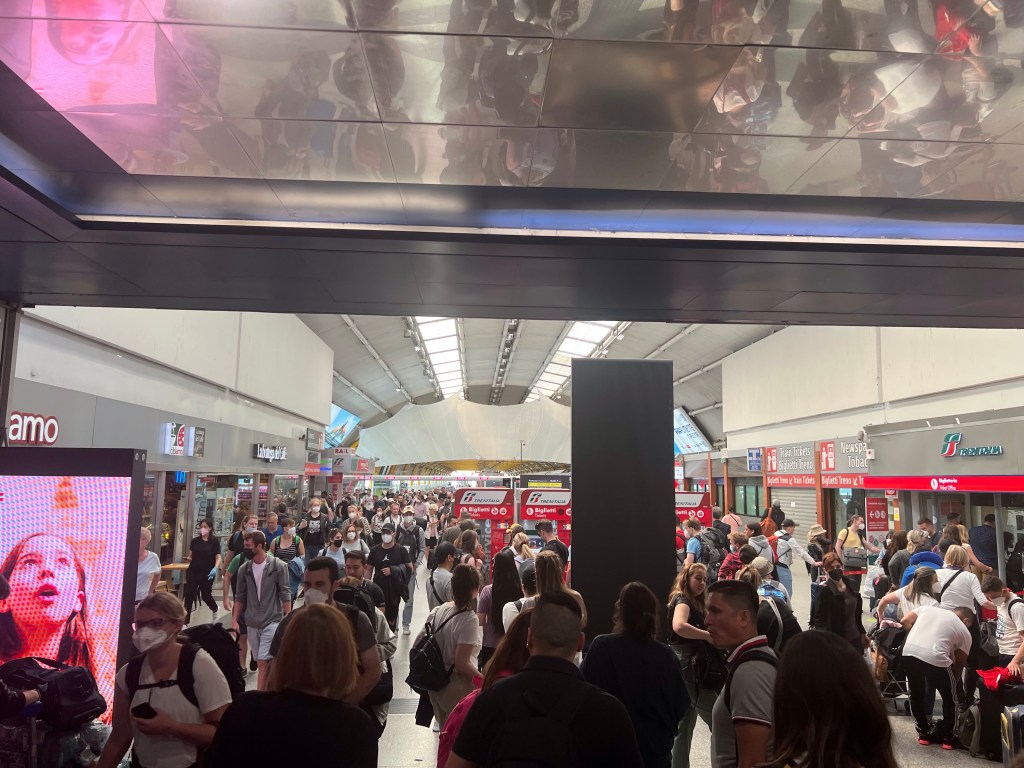
The 1/2 hour trip (and a WILD taxi ride through the narrow streets of Romeโmade Enid drivers look like Mario Andretti) and we arrived at the Roma Termini, which is the main train terminal in Rome. I kept expecting a NY subway butโฆ
Itโs an airport on wheels and a zoo but once you figure out the system you will get to where you want to go, which in our case was Florence.
The ride includes a series of tunnels and each tunnel is like a small jump further and further into the country and farmlands. Hay, other crops, and vineyards (weโll have more of those later this week) and with a train that clicks along at about 120 mph, you cover the 200 miles rather quickly.
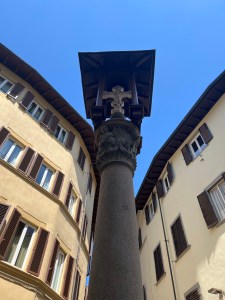
We did do some touristy things but for the most part were a bit pooped out, so we walked the streets and just enjoyed being in Italy. What is so remarkable is when you take into consideration how long these places have been around. For example, I decided to take a picture of a beautiful statue of Christ crucified high on a pillar. Near the base was a plaque. The statue was erected in the year 1338.
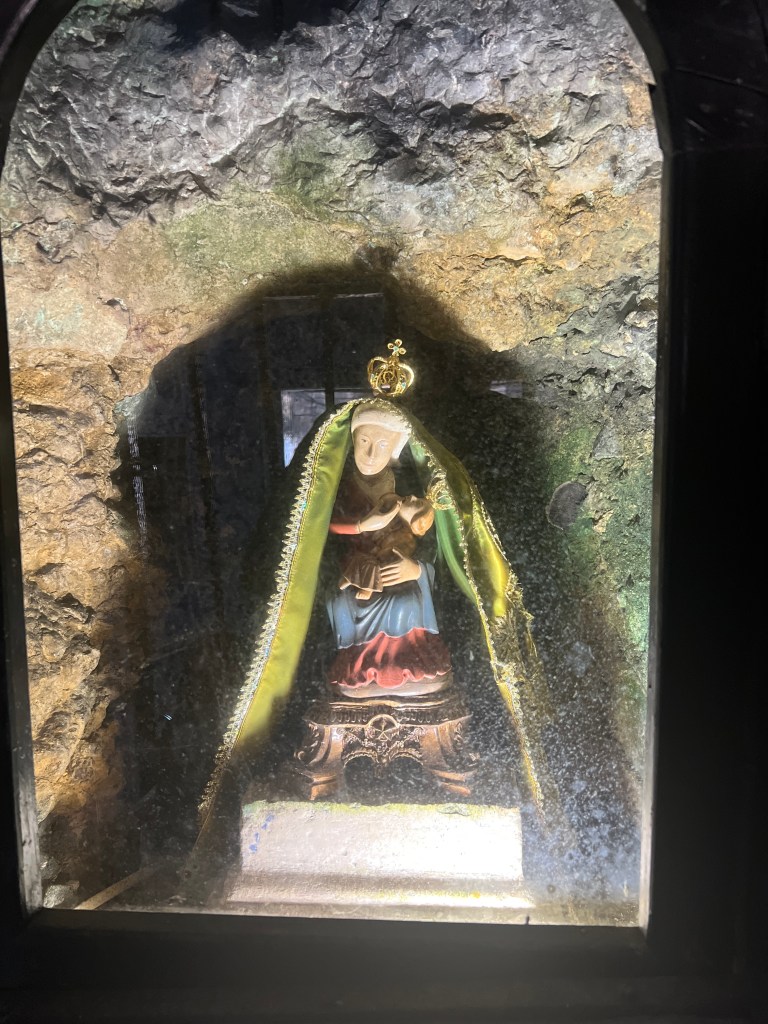
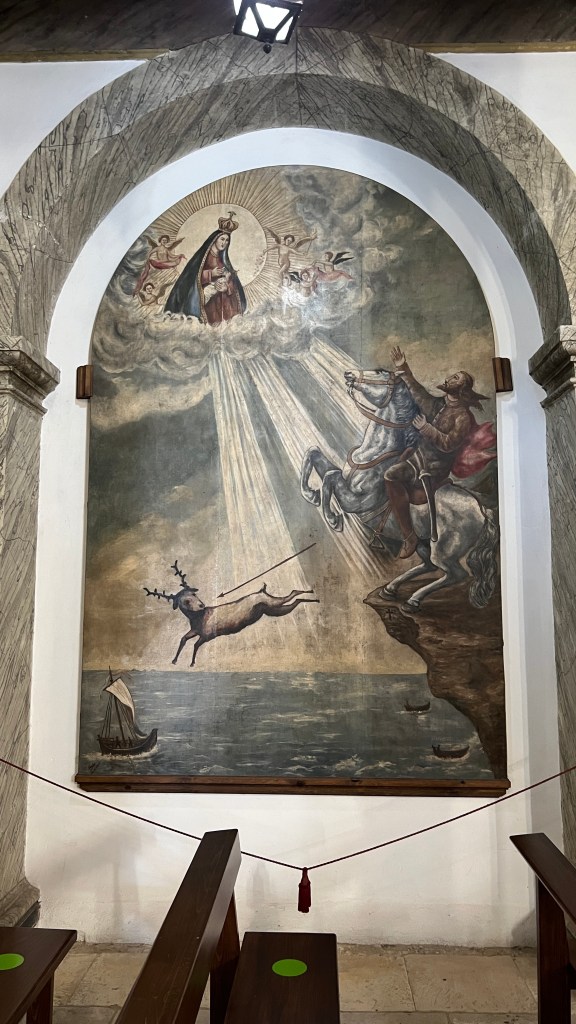
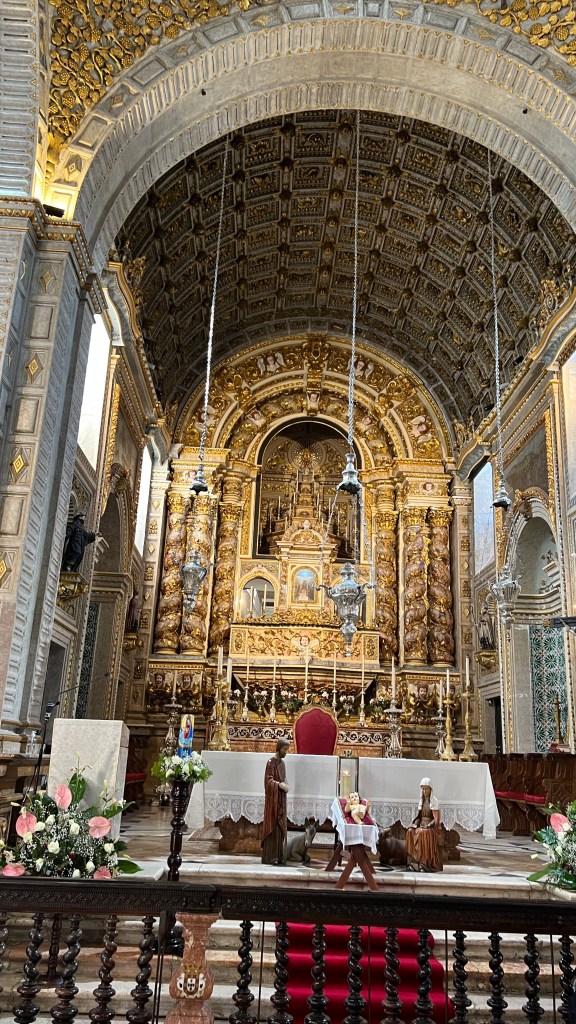
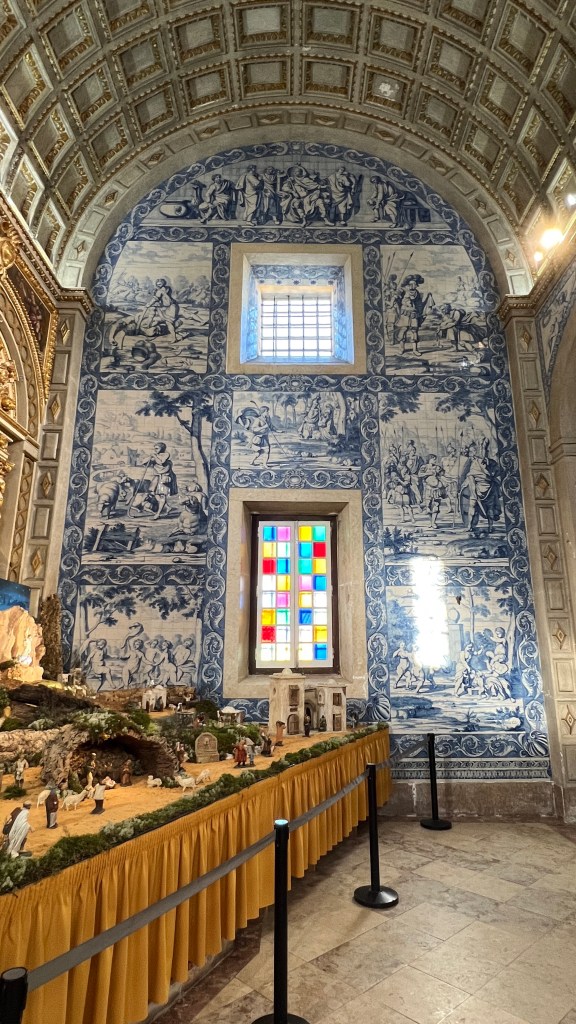
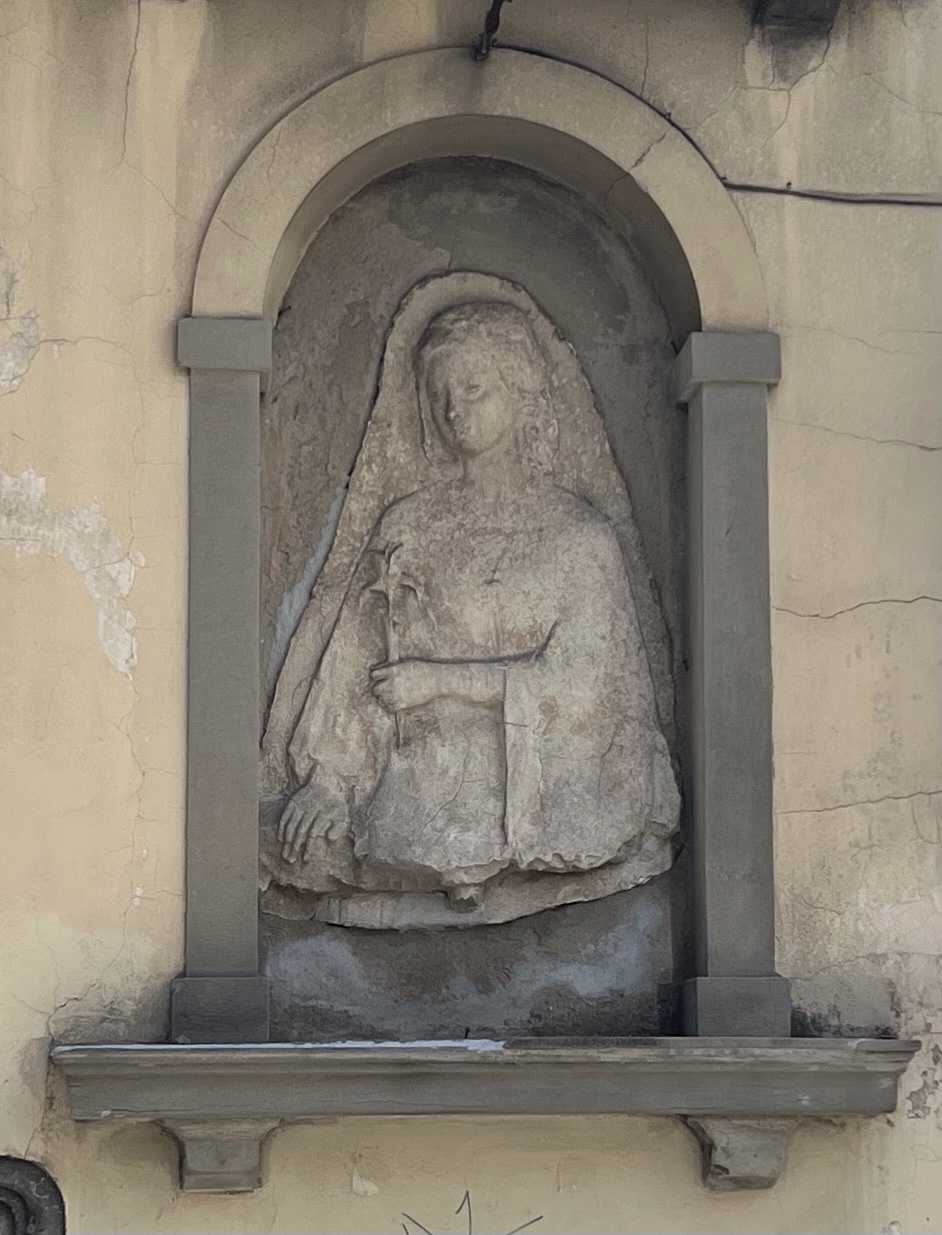
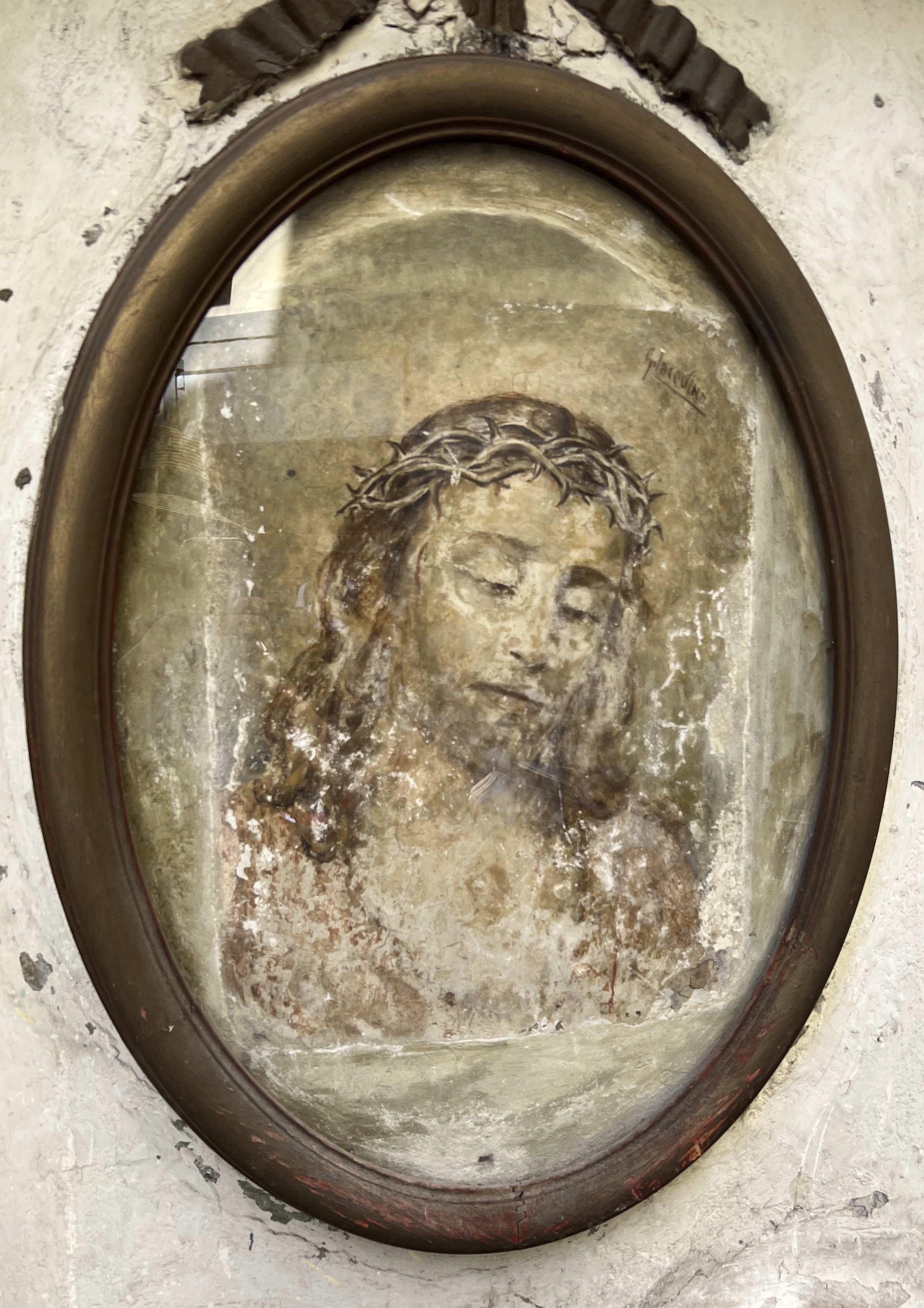
In addition, throughout the old city there are small niches, mostly at corners, with images of the Blessed Virgin Mary and/or Jesus. These are two of the images that worked out:
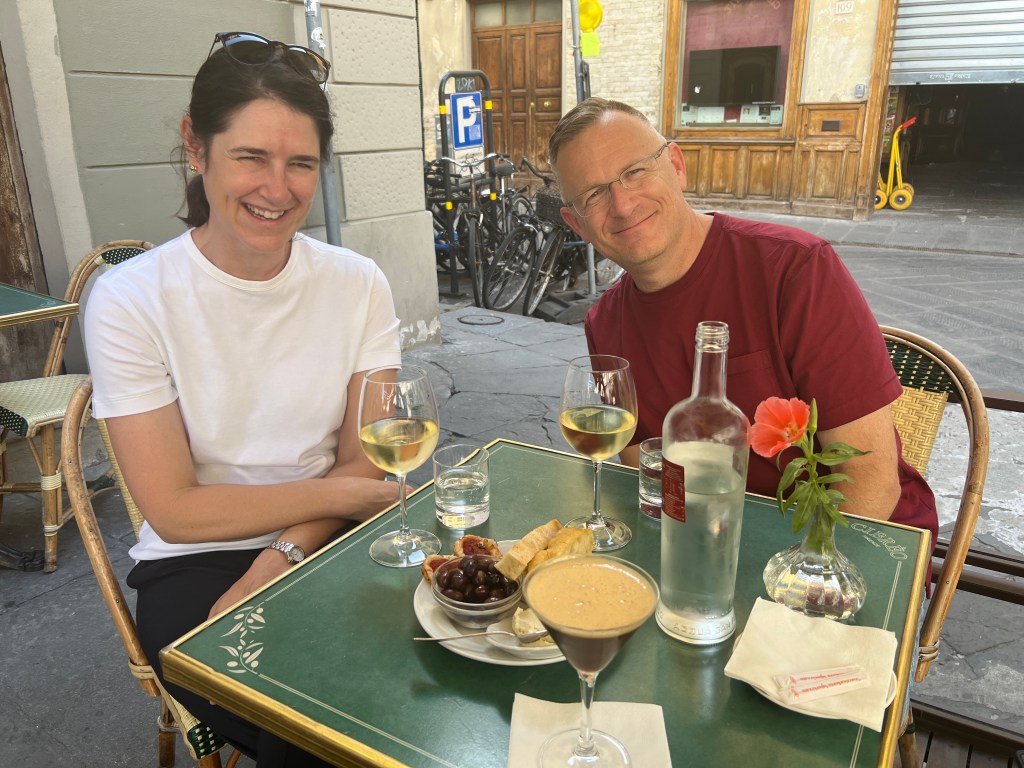
What an amazing day and perhaps the most moving bit occurred as Heidi, Scott, and I were sitting at the Cafeโ Cibreo enjoying a light snack and a beverage (they were having a white wine and I was enjoying an iced coffee). Heidi stopped in mid-sentence and said, โWeโre in Italy!โ
Yep. That about sums the day up. Weโre in Italy andโฆ yeah.
For about the last year, my friend and colleague, The Rev. Sean Ekberg and I have been working on a journal for The Episcopal Church and today it went live. It includes interviews with Bishops in the church, a seminary dean, ministry stories, and more. If you would like to know the bright side of The Episcopal Church, then you’re going to want to take some time reading through the articles. It is not a quick read, but it is well worth the time. There is much that is good happening. If you’ve been wondering where I’ve been spending my extra time… here you go. I believe, if you click the image below, it will take you to the Issuu edition.
At the death of Jesus, we are told of many unnatural occurrences in the natural world, for even the earth and heavens rebelled and reacted to the death of Jesus: the sun went dark, the earth shook in a violent earthquake, and the curtain of the Temple was torn into. A great upheavalโฆ then the murmuring of the people returned. The crowd dispersing, What to do with the bodies, finding a tomb, something to anoint Jesus with, but thenโฆ the silence came over it all and all of creation held its collective breath as Jesus lay in the tomb.
N.T. Wright wrote a poem about this day and that silence (The Seventh Day):
On the seventh day God rested in the darkness of the tomb; Having finished on the sixth day all his work of joy and doom.
Now the word had fallen silent, and the water had run dry, The bread had all been scattered, and the light had left the sky.
The flock had lost its shepherd, and the seed was sadly sown, The courtiers had betrayed their king, and nailed him to his throne.
O Sabbath rest by Calvary, O calm of tomb below; Where the grave-clothes and the spices cradle him we did not know!
Rest you well, beloved Jesus, Caesarโs Lord and Israelโs King, In the brooding of the Spirit, in the darkness of the spring.
Source: N. T. Wright, The Challenge of Easter, pp. 33-34.
Pilate speaks: It is your custom that I release one prisoner to you on the Pasch. Whom shall I set free, Barabbas โa thief jailed with others for a murder โor Jesus? (Matt 27:17) โPut this man to death and release unto us Barabbas, cries the multitude, incited by their chief priests (Luke 23:18).
Pilate speaks again: What shall I do, then, with Jesus who is called Christ? (Matt 27:22) Crucify Him!
Pilate, for the third time, says to them: Why, what evil has He done? I find no fault in Him that deserves death (Luke 23:22).
The clamour of the mob grows louder: Crucify Him, crucify Him! (Mark 15:14)
And Pilate, wishing to please the populace, releases Barabbas to them and orders Jesus to be scourged.
Bound to the pillar. Covered with wounds.
The blows of the lash sound upon His torn flesh, upon His undefiled flesh, that suffers for your sinful flesh. โMore blows. More fury. Still moreโฆ It is the last extreme of human cruelty.
Finally, exhausted, they unbind Jesus. โAnd the body of Christ yields to pain and falls limp, broken and half dead.
You and I are unable to speak. โWords are not needed. โLook at Him, look at Himโฆ slowly. After thisโฆ can you ever fear penance?
(Source: Holy Rosary by St. Josemarรญa Escrivรก)
Meditation:
In Matthew, Barabbas is described as a โnotorious prisoner,โ John has him as a โbandit,โ Mark and Luke have him involved in a riot. However we refer to him, the crime he committed was punishable by death. As I meditated on this mystery, I began to see myself in his place and from there, I wonderedโฆ
When Pilate asked, โWho do you want me to release for you,โ whoโs name would I have wanted to hear them shout out? How would I feel if I understood that he was truly innocent and I had been set free? How would I have felt that those who had called for my release really didnโt care about me, they just wanted Jesus dead. And from there, how would I have felt when I realized that the only one who actually cared anything about me was to be scourged by the same soldiers who just set me free. I also wondered what it would have been like, as I was walking away from the guards to have caught Jesus eyes.
As I meditated on this mystery and wondered about these things, I also had answers. Whoโs name would I want to hear the crowds calling out? Mine. How would I feel about walking away free, knowing he was the innocent one? Iโm sorry for him, yes, but I suppose I would have thought, โTough break.โ Did I care that the crowd really didnโt care for me? No. Donโt much care for them either. What were my thoughts on realizing Jesus was the only one who really cared for me? Well, isnโt that the way it always is?
Yes. I have answers for all these questions, except the last. That last question really haunts me, because although I have an answer, I donโt like it. What would I have seen in Jesus eyes as I walked away free and he condemned? The answer, of course, is love. I would have seen love and gratitude. Grateful that he could even save my wretched life.
As my friend Thomas ร Kempis wrote in On the Passion of the Christ, โWoe to me, unfortunate sinner, weighed down with the heavy burden of sin! Because of my evil deeds I deserve to be assigned to eternal punishment, but you, holy, just, and loving God, chose to be despised and detested to deliver me from the devilโs deceits and everlasting death.โ (Source: On the Passion of Christ: According to the Four Evangelists, p. 47)
The very difficult truth is that we are all Barrabas. Like him, we have all sinned and the punishment for our sins is the same death sentence that he received for his. โFor the wages of sin is death.โ (Romans 6:23a) As we meditate on these events, we realize that we are the ones standing with Jesus and facing the crowd, waiting on the verdict from Pilate, and it is there that we understand, though we are guilty we are set free. Not because of anything that we have done or deserve, but because of Godโs grace. Because Godโs one and only son chose to love us, who are all Barrabas. But hereโs the thing, being Barrabas isnโt necessarily bad.
The name Barrabas is made up of two words, Bar Abba. Bar, meaning son and Abba meaning Father, so the name Barrabas means โSon of the Father.โ We are all Barrabas, but because of Godโs grace, we are all set free, and in being set free, we become Bar Abba, children of the Father. But now, as those children, we must watch Jesus being led away and are witnesses to his scourging. Witnesses to the punishment that was rightfully ours.
Last week we talked about how we must be honest with ourselves and with sincere hearts and minds, confront our own failings, so that we can rightly confess and allow the Lamb of God to take those sins with him to the cross, that through his great love for us, we might be redeemed. Yet, the idea of being honest and confessing often causes us to be fearful. And so, even though it is not possible to hide from God, as the Psalmist says:
Where can I go from your Spirit? Where can I flee from your presence? If I say, โSurely the darkness will hide me and the light become night around me,โ even the darkness will not be dark to you; the night will shine like the day, for darkness is as light to you. (Psalm 139:7, 11-12)
Even though it is not possible to hide from God, we pretend as though we could. We are like Adam and Eve in the Garden, after they had eaten the fruit: โThe man and his wife heard the sound of the Lord God as he was walking in the garden in the cool of the day, and they hid from the Lord God among the trees of the garden. But the Lord God called to the man, โWhere are you?โ [The man] answered, โI heard you in the garden, and I was afraid.โโ (Genesis 3:8-10) We are afraid to come before God, to confess, because we fear the punishment we so rightly deserve, butโand this is the Good Newsโthe punishment has already been meted out. It is why Josemarรญa encouraged us to look at Jesus following the scourging: โLook at Him, look at Himโฆ slowly. After thisโฆ can you ever fear penance?โ Why would you fear to confess, to be penitent, โBy his stripes, we are healed.โ (Isaiah 53:5)
Consider again the words of The Exhortation: โExamine your lives and conduct by the rule of Godโs commandments, that you may perceive wherein you have offended in what you have done or left undone, whether in thought, word, or deed. And acknowledge your sins before Almighty God, with full purpose of amendment of life, being ready to make restitution for all injuries and wrongs done by you to others; and also being ready to forgive those who have offended you, in order that you yourselves may be forgiven. And then, being reconciled with one another, come to the banquet of that most heavenly Food.โ (Book of Common Prayer, p. 316)
There should be great fear in not confessing, but you are Bar Abbaโyou are Godโs child and he endured the scourging that you might be with him. As the Lord said through the Prophet Isaiah:
โYou are my servantโ; I have chosen you and have not rejected you. So do not fear, for I am with you; do not be dismayed, for I am your God. I will strengthen you and help you; I will uphold you with my righteous right hand. (Isaiah 41:9b-10)
Let us pray: Father, Your Love never fails. Keep us from danger and provide for all our needs. Teach us to be thankful for Your Gifts. Confident in Your Love, may we be holy by sharing Your Life, and grant us forgiveness of our sins. May Your unfailing Love turn us from sin and keep us on the way that leads to you. Help us to grow in Christian love. Amen.
“Pray that you may not enter into temptation”. โAnd Peter fell asleep. โAnd the other apostles. โAnd you, little friend, fell asleepโฆ, and I too was another sleepy headed Peter.
Jesus, alone and sad, suffers and soaks the earth with His blood.
Kneeling on the hard ground, He perseveres in prayerโฆ He weeps for youโฆ and for me: the weight of the sins of men overwhelms Him.
Father, if Thou wilt, remove this chalice from meโฆ Yet not my will, but Thine be done (Luke 22:42).
An Angel from Heaven comforts Him. โJesus is in agony. โHe continues, praying more intenselyโฆ โHe approaches us, who are asleep: Arise, pray โHe says againโ, lest you enter into temptation (Luke 22:46).
Judas the traitor: a kiss. โPeter’s sword gleams in the night. โJesus speaks: Are you come, as to a robber, to apprehend Me? (Mark 14:48)
We are cowards: we follow Him from afar, but awake and praying. โPrayerโฆ Prayerโฆ
On that night, following the Last Supper, the apostles went with Jesus to the Garden of Gethsemane. Most stayed further away, but Jesus took Peter, James and John a little deeper into the garden. Before going on alone even further into the darkness, Jesus said to these three, โSit here while I go over there and pray. My soul is overwhelmed with sorrow to the point of death. Stay here and keep watch with me.โ We know that after awhile, Jesus came back and found them sleeping. Waking them, he said, โCouldnโt you men keep watch with me for one hour? Watch and pray so that you will not fall into temptation. The spirit is willing, but the flesh is weak.โ He went away a second time to pray then returned, only to find them again asleep. โAre you still sleeping and resting? Look, the hour has come, and the Son of Man is delivered into the hands of sinners. Rise! Let us go! Here comes my betrayer!โ The betrayer was Judas, who had left the Last Supper early to find the soldiers who would arrest Jesus, because he had earlier betrayed Jesus to the religious leaders for thirty pieces of silver.
If I had been there, do you know who I would have been talking about before I fell asleep? Hint: not Jesus. Judas. Yes, Judas. It is the middle of night. Iโm tired and a little scared. Jesus was talking about all sorts of things, including betrayal, none of which I fully understood. Iโm not sure about what Iโm supposed to be doing, because Jesus is over there somewhere and we are simply lost when he is not around. So instead of thinking about all that: โHey, guys, can you believe Judas tonight? The man is always a bit flaky, but he was so dang nervous tonight he was starting to make me more nervous than I already was. And did you see his face when Jesus washed his feet? He went as white as Lazarus that day when Lazarus stepped out of the tomb after being dead for a couple of days.โ Yeah. I would have been talking about Judas.
Do you know who I would have thought about when Jesus woke me up? Yep. Judas again. I mean, letโs be honest, we may have fallen asleep, but weโre here, arenโt we? Who knows where that thief is. Probably out there spending some of the purse. He doesnโt think we noticed that he was running around in new sandals, but we saw and they looked expensive, had those fancy camel knee soles on them. Yeah, weโre here. Thatโs what really counts.
As I was running through the garden after Jesus was arrestedโฆ Judas on my mind. Can you believe the nerve of him. Kissed him! Called him, Teacher! Betrayer! Iโll tell you whatโI think I lost those guards who were chasing me, I can slow down someโIโll tell you, when I get my hands on Judas, Iโm going to string him up.
In all these events, Judas is my guy. He makes me look good and I donโt have to think about my own failings. My own betrayals. My own sins.
The Lord told Moses and Aaron how they were to go about making the annual sacrifice during Yom Kippur for the peopleโs sins, part of which involved two goats. The two goats would be brought before Aaron, he would cast lots and the one selected was sacrificed, but from the sounds of it, the one sacrificed may have been the lucky goat. With the second goat, Aaron would lay his hands on it, thereby transferring all the sins of the people onto the goat. The goat was then taken deep into the wilderness where it was set free to return to Azazel, a demon. A spirit of desolation and ruin. It was believed that the goat was returning all the sins of the people back to their source, Azazel, the demon. This is, of course, where we get the idea of scapegoat. Someone or thing that we can lay our hands upon, thereby transferring all the blame and ridicule for all that has gone wrong, leaving everyone else free of all culpability, blame.
Following the events in the Garden of Gethsemane, Judas is our second goat, our scapegoat. We can lay our hands on him and transfer all the sins to him and then set him loose in the wilderness to carry them away to Azazel. We never betrayed Jesus, we never fell asleep on Jesus, we never abandoned Jesus. We are innocent. So we think, but we are still in our sin. Therefore, we must be honest with ourselves and with sincere hearts and minds, confront our own failings, understanding that this is not an easy task. It is far easier to deny, to blame, to compare, than it is to admit we were wrong. And we are honest, not so that we can run around whipping ourselves, but so that we can rightly confess and allow the Lamb of God to take those sins with him to the cross, that through his great love for us, we might be redeemed.
The garden is the place where Jesus was left alone, betrayed, abandoned, not just by Judas, but by us all. And the garden is the place where Jesus made his final resolve to redeem all those failings: โYet not my will, but Thine be done.โ And it is Godโs will that none of us should perish, but be redeemed and share in eternal life with him. โIf we confess our sins, he is faithful and just to forgive us our sins and to cleanse us from all unrighteousness.โ
Let us pray (based on Psalm 51:1-7): Have mercy on us, O God, according to your steadfast love; according to your abundant mercy blot out our transgressions. Wash us thoroughly from our iniquity, and cleanse us from our sin! For we know our transgressions, and our sin is ever before us. Against you, you only, have we sinned and done what is evil in your sight, so that you may be justified in your words and blameless in your judgment. Behold, we were brought forth in iniquity, and in sin were we conceived. Behold, you delight in truth in the inward being, and you teach us wisdom in our secret heart. Purge us with hyssop, and we shall be clean; wash us, and we shall be whiter than snow. Amen.
Boniface was born in the year 675 and served as a missionary to Frisia (Netherlands) and later, Germany, where he would rise to the position of Archbishop. He was held in high esteem by the German princes and came often to give counsel, leading to one of his crowning achievements (no pun intended here) when he anointed Pippin as King of the Franks. Pippinโs son was Charlemagne, whoโs efforts brought Christianity back to western Europe. Later, when Boniface retired as Archbishop, he returned to Frisia as a missionary. The following year, as he was waiting on a large group of converts to arrive for baptism and confirmations, he and his party were attacked by pagans and Boniface was martyred.
St. Willibald, Bishop in Germany, is the one who recorded much of Bonifaceโs life in a short book, The Life of St. Boniface. It is a fascinating read (you can find it online). In it, Willibald points to one of the primary reasons behind Bonifaceโs successes: the study of Holy Scripture. Willibald writes:
To such a degree was [Boniface] inflamed with a love of the Scriptures that he applied all his energies to learning and practicing their counsels, and those matters that were written for the instruction of the people he paraphrased and explained to them with striking eloquence, shrewdly spicing it with parables. His discretion was such that his rebukes, though sharp, were never lacking in gentleness, while his teaching, though mild, was never lacking in force. Zeal and vigor made him forceful, but gentleness and love made him mild. Accordingly he exhorted and reproved with equal impartiality the rich and powerful, the freedmen and the slaves, neither flattering and fawning upon the rich nor oppressing and browbeating the freedmen and slaves but, in the words of the apostle, he had “become all things to all men that [he] might by all means save some.โ (Source)
Through his love and study of Scripture, Boniface learned that the most effective way to speak to people was through the language of God that he read in the Bible and the same can be true for us, but in order for this to happen, we need to pick up the Good Book. A recent โstudy found only 45 percent of those who regularly attend church read the Bible more than once a week. Over 40 percent of the people attending read their Bible occasionally, maybe once or twice a month. Almost 1 in 5 churchgoers say they never read the Bibleโessentially the same number who read it every day.โ (Source)
Even if it is only a short devotional, we all need to be in the Word daily.ย You donโt have to become a Bible scholar and you donโt have to memorize every verse.ย You only have to take the time and allow God to speak to you in his own words.ย What you will discover in the process is what Boniface discovered: the wisdom and grace you find within the Sacred Text will begin to find its way into your life and into your communication and relationships.ย You will become a greater reflection of God.