Sermon: Great Vigil

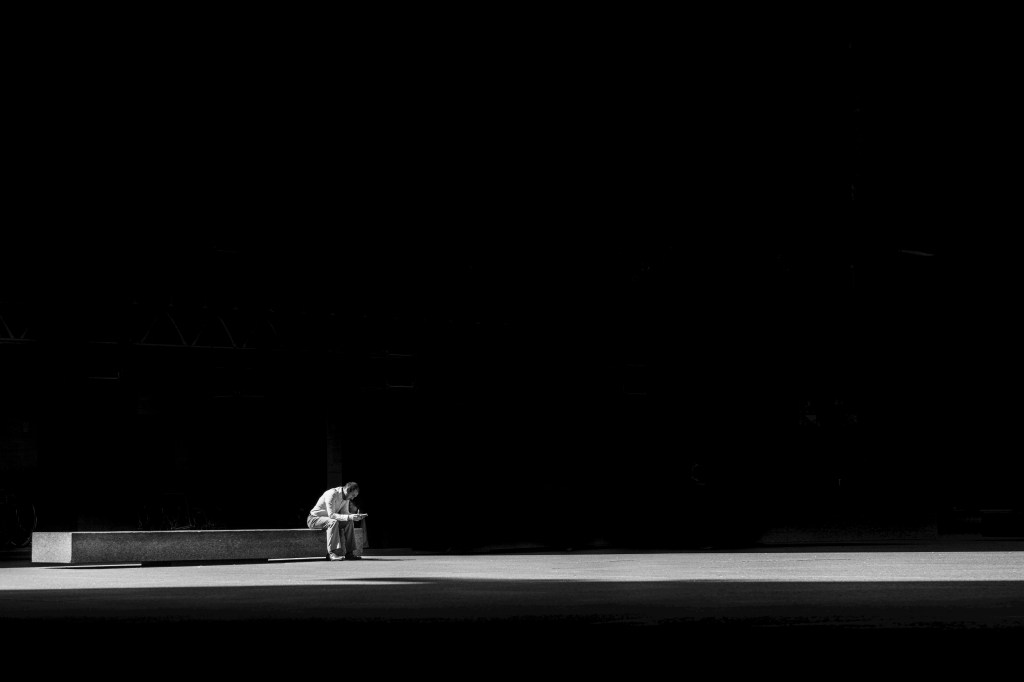
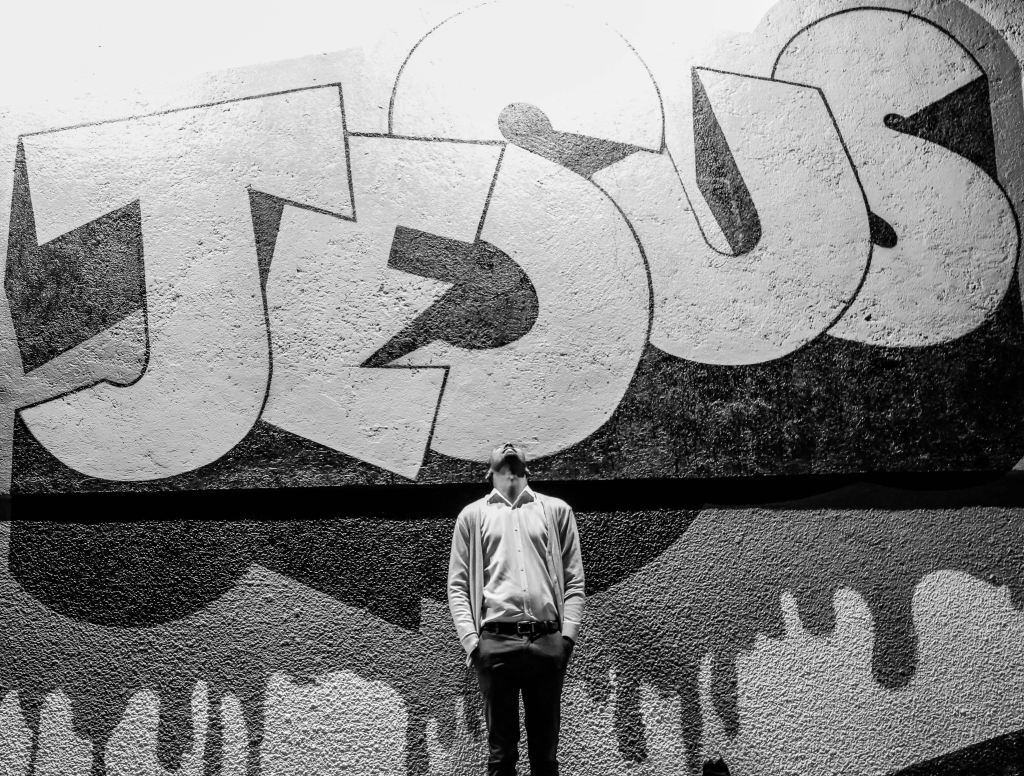
Photo by zhang kaiyv on Unsplash

The words of the Exsultet, โ€œThis is the night, whenโ€ฆโ€

This is the night when the Church attempts to read all of Holy Scripture in one sitting.

This is the night when the choir and organist threaten to go on strike if I add one more piece of music.

This is the night when the parish administrator double-dog dares me to make one more change to the bulletin.

This is the night when the congregation asks, โ€œAre we there yet?โ€

This is the night, the eve of our salvation when we enter into the darkness of the tomb and create a spark that becomes a flame that sets the whole world ablaze with the Light of Christ.  

This is the night when we baptize Nolan, and Crawford receives his first communion.

From the song, December, 1963, by Frankie Valli and the Four Seasons, โ€œO, what a night!โ€

Of all the liturgies throughout the church year, this is the highest and most grand. It is the culmination of all the other days and festivals, from the Incarnation to the Transfiguration to Good Friday to Easter. On this night, we remember all that God has done for His people, we give thanks for what He has done for us, and we celebrate the bringing into the Kingdom those new members who receive the cleansing that comes through Baptism and the participation of others in Christโ€™s body by becoming one with Jesus through receiving the Holy Sacrament. O, what a night.

Tonight is a reminder that we are not alone in this world. It is a reminder that the Church Triumphantโ€”those who have gone before usโ€”and the Chruch Militantโ€”we todayโ€”are bound together in love through baptism into Christโ€™s death and resurrection. That through Jesusโ€™ giving of Himself, we truly become one with Him and each other.

I will not be long-winded tonight because everything you see and hear is a sermon. So, Iโ€™ll encourage you to be one in Christ Jesus. So many things seek to divide us, but the bonds of love are stronger than any of these, and the only way those bonds can be severed is if we intentionally cut them ourselves. 

You are Christโ€™s one holy catholic and apostolic Church. Let us receive Nolan into our family through her baptism and then participate with Crawford in his first communion. O, what a night.

โ€œThe candidate for Holy Baptism will now be presented.โ€ BCP p.301.

Sermon: Easter Sunday 2024


Doc Pierre decided that he wanted to get into the ranching business, so he went out and purchased himself a bunch of cows and put them out on the pasture. He also knew he would need a bull, so he called up one of his hands, Olโ€™ Boudreaux, and gave him the plan. 

โ€œBoudreaux,โ€ he says, โ€œIโ€™m going out to find the bull. Once Iโ€™ve purchased one, you hook the trailer to that pick โ€˜em up truck of yours and come fetch it.โ€

โ€œHow will I know?โ€ Bou asks.

Doc Pierre says, โ€œIโ€™ll send a telegram,โ€ and it was all set.

Doc Pierre goes out searching for the bull with $5,000 in his pocket. He finds one for exactly $5,000. Hoping to lower the price, he asks the rancher if that is the best offer. โ€œWell, I suppose I could let it go for $4,999.โ€ Doc Pierre thinks itโ€™s a good deal and takes him up on it. Then, he heads to Western Union to send the telegram to Boudreaux, but it is there that he learns itโ€™ll cost him $1 per word, and all heโ€™s got left is a $1. He thinks on it a moment, then writes out a one-word message to Boudreaux.

The telegraph operator looks at it questioningly, then back up to Doc Pierre. Doc Pierre nods in understanding and explains, โ€œBoudreaux donโ€™t read so good, so heโ€™ll have to sound it out first. Heโ€™ll get the message.โ€ The telegraph operator said OK and sent the one-word telegram: โ€œComfortable.โ€

About an hour later, Boudreaux showed up with the pick โ€˜em up truck and trailer.

Doc Pierre sent, โ€œComfortable,โ€ and Boudreaux had to sound it out, โ€œCome.. forโ€ฆ daโ€ฆ bull.โ€

Have you heard of response latency? It is defined as โ€œThe interval of time elapsing between a stimulus and a response.โ€ (Source) You may not have heard of it, but you may have just experienced it. I told you what I hoped was a good joke, and hopefully, you laughed! However, there was a short period of time between the punch line and you getting the joke and laughing. The time between is the response latency. It is the time when you have all the necessary information, but not quite yet understanding. It is the time leading up to a moment of clarity or an โ€œAha!โ€ moment or epiphany. Response latency.

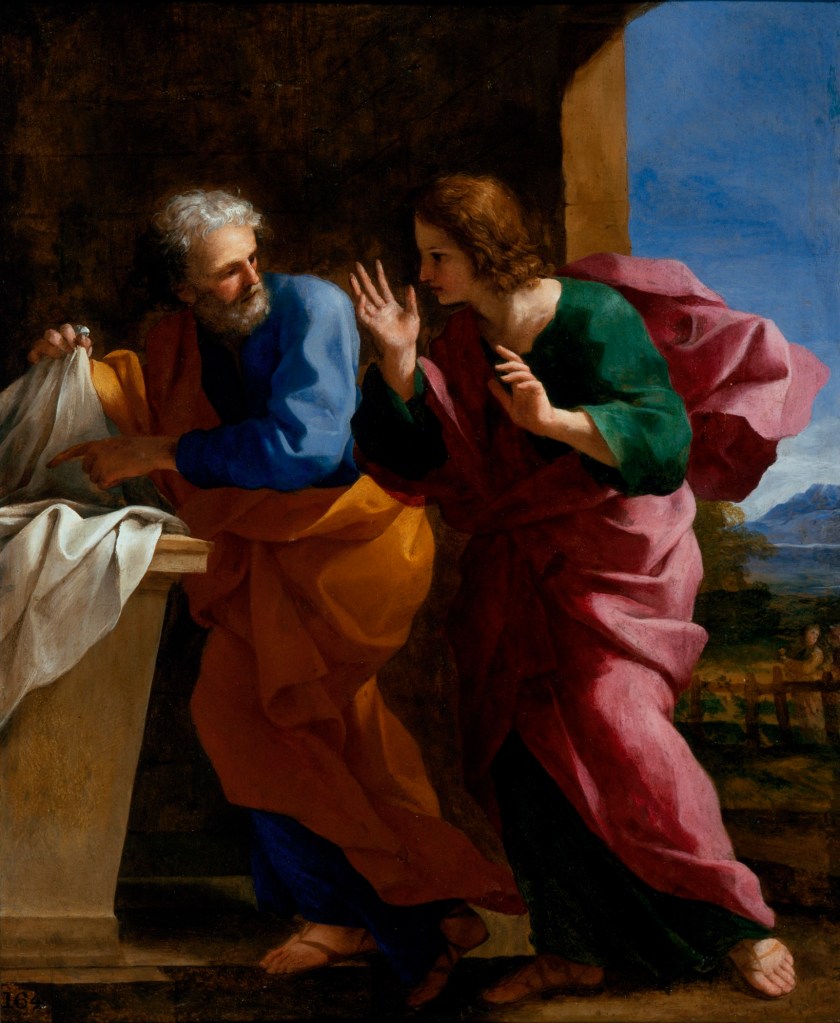
Our Gospel reading this morning tells us that Mary Magdalene went to the tomb of Jesus, found the stone rolled away, and ran back and told Peter and John. Hearing this, the two disciples take off. John outruns Peter and arrives first. John stands just outside the tomb, but Peterโ€”never really one for restraintโ€”goes barging in. After gaining his courage, John follows. There, they discover the linen shroud that had covered Jesusโ€™ body and the veil that had been over his face, but the body of Jesus is not there. 

The image on the front of your bulletin depicts the scene. The painting St. John and St. Peter at Christโ€™s Tomb (c.1640) is by the Italian artist Giovanni Francesco Romanelli. Peter, on the left, is pointing at the shroud and seems to be staring off, trying to understand, but for John,  the response latency is ending. The pieces are falling into place. It is like he is holding up his hands to tell Peter to be quiet so that he can think. The reading tells us that the disciple whom Jesus loved, John, โ€œsaw and believed.โ€ Romanelli captured that moment.

The reading then tells us that the two returned home, but Mary, who must have followed behind the footrace, remained. She leaned into the tomb and saw and spoke to the angels, then turning, she saw the gardener, not knowing it was Jesus. 

Now, this is an interpretation on my part, but the gardener was there all along, watching. Maybe he was out of sight, or maybe, in all the excitement and rushing about, all three saw him but more or less dismissed him. Either way, I believe the gardener, Jesus, was there watching this entire scene unfold. And I believe Jesus anxiously anticipated the end of Johnโ€™s response latency when all the pieces came together. When they did, Jesus smiled and said to Himself, โ€œThatโ€™s my boy.โ€ Working behind Johnโ€™s understanding is Godโ€™s grace.

St. John later tells us, โ€œWe love because he first loved usโ€ (1 John 4:19), and St. Paul tells us, โ€œFor by grace you have been saved through faith. And this is not your own doing; it is the gift of Godโ€ (Ephesians 2:8). Believing in Jesus is a graceโ€”a gift from God. Jesus anxiously anticipated all the pieces falling together for John to believe, but the reason this could happen for John was because God first loved Johnโ€”Godโ€™s grace was given to John so that he might believe.

Today, we are the ones standing in the tomb. We are the ones seeing the shroud and other linen. Like John, we have all the teachings of the Prophets and all the words and deeds of Jesus at our disposal. In addition, we have the teachings of the Apostles, the Saints, and the Church. We have all the information. Question: have they fallen into place for you, or are you still in that time of response latency? If yes, if theyโ€™ve fallen into place, then have a passion for souls and pray that others may receive the light of the Gospel. If not, then pray for Godโ€™s grace, so that He might give you understanding.

โ€œEarly on the first day of the week, while it was still dark,โ€ and before Mary Magdalene arrived at the tomb, Jesus rose from the deadโ€”He is โ€œthe firstborn from the dead.โ€ (Colossians 1:18) He did this out of His great love for us and accomplished it so that you and I might also be given eternal life with Him. 

This is your first day of the week. The empty tomb is before you. Pray that all the pieces, all the information falls into place and that Godโ€™s grace pours out upon you that you might believe and live.

In 1917, the Virgin Mary appeared six times to three young children near Fatima, Portugal. On the second appearance, she gave them a prayer that she asked to be added to the end of each decade of the Rosary. Whether you pray the Rosary or not, it is a prayer worth learning. It is known as the Fatima Prayer.

Let us pray: โ€œOh, my Jesus, forgive us our sins. Save us from the fires of Hell and lead all souls to Heaven, especially those in most need of Thy mercy. Amen.โ€

Sermon: Palm Sunday – “Romance”

Photo by Tim Mossholder on Unsplash

Most of you are aware that not only do I enjoy reading a good story, but I also like trying to write them. Like with any endeavor, it can be helpful to read how others work, and fortunately, some of my favorite authors have written books on writing. Neil Gaiman, author of Caroline, Good Omens, and other books, in the introduction to his book, Fragile Things: Short Fictions and Wonders, Gaiman talks about stories. He writes,

โ€œStories, like people and butterflies and songbirds’ eggs and human hearts and dreams, are also fragile things, made up of nothing stronger or more lasting than twenty-six letters and a handful of punctuation marks. Or they are words on the air, composed of sounds and ideasโ€”abstract, invisible, gone once they’ve been spokenโ€”and what could be more frail than that? But some stories, small, simple ones about setting out on adventures or people doing wonders, tales of miracles and monsters, have outlasted all the people who told them, and some of them have outlasted the lands in which they were created.โ€ 

Stories, whether fictitious or factual, hold our attention and mold our perception of the world. Whether a believer or not, the story we hear on this day has long outlasted the people who told it and has been changing peoplesโ€™ views for over 2,000 years. No other story has affected the world more. My question for you today is this: What kind of story is it?

Most of us can agree that it is non-fiction, but even in that category, we can classify it as a particular genre. Some might say it is history, while others might categorize it as a thriller or even a horror story. There are good arguments for all these, but the one category that probably would not come to mind when reading the Passion Narrative is romance.

In their definition of a romance novel, the RWA, Romance Writers of America, says, โ€œTwo basic elements comprise every romance novel: a central love story and an emotionally satisfying and optimistic ending.โ€ (Source) In the reading of the Passion Narrative, do you hear anything of a love story? Is there an optimistic ending? 

โ€œFor God so loved the world that he gave his one and only Son, that whoever believes in him shall not perish but have eternal life.โ€ (John 3:16) 

What we read on this day is the greatest romance, the greatest love story ever writtenโ€”ever lived out. What we read today is Jesus looking down at you from the Cross and saying, โ€œI love you. I love you and am enduring this so that you may be with me in My Fatherโ€™s house for all eternity.โ€ The Passion of Our Lord is many things, but at the heart, it is pure romance.

Today, I invite you to experience this romance, this love of God. To not only hear the story but to write yourself into it and become a child of Godโ€”the beloved of God. 

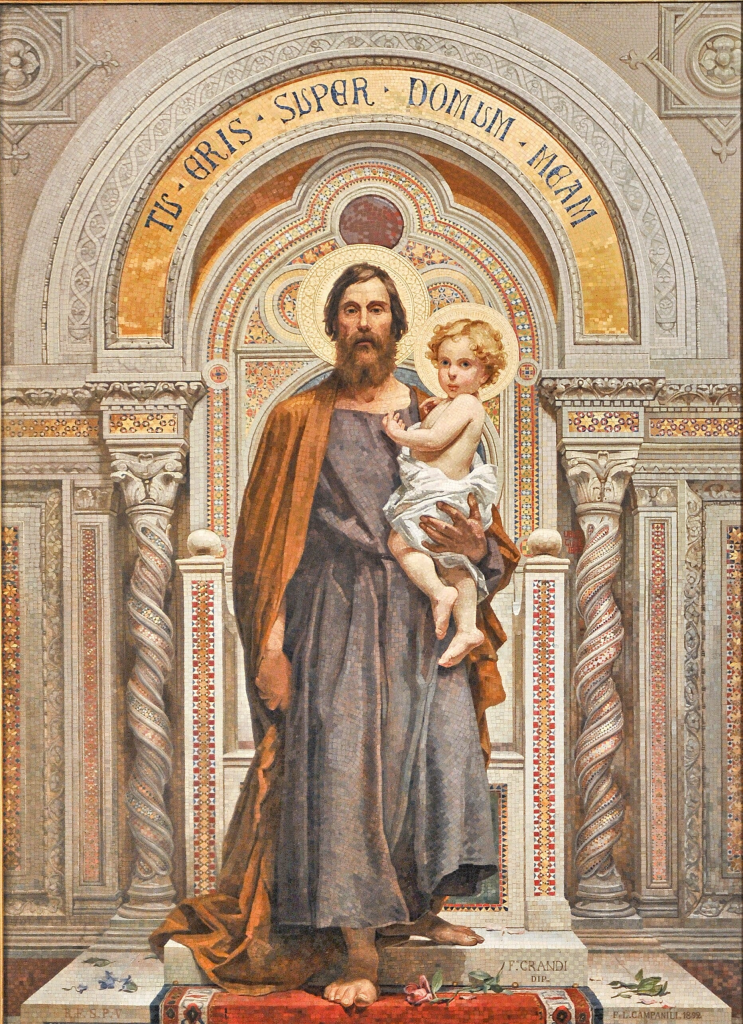
Sermon: Joseph


Joseph learned that Mary was pregnant, and since they were not yet married, he decided to put her away quietly, but the angel of the Lord came to him in a dream: โ€œโ€˜Joseph, son of David, do not be afraid to take Mary as your wife, for the child conceived in her is from the Holy Spirit.  She will bear a son, and you are to name him Jesus, for he will save his people from their sins.โ€™โ€ฆ When Joseph awoke from sleep, he did as the angel of the Lord commanded him; he took her as his wife.โ€

From here, we have a few other accounts of Joseph: the manger, when Jesus was presented in the temple as a baby, the flight to Egypt when they were fleeing Herod, and our scene today when Jesus became separated from him and Mary during the festival in Jerusalem.  Outside of these events, we know very little of Joseph, the one who was called on by God the Father to raise his one and only son.  If you think your kids got/get into mischief, what do you think it would have been like raising the Son of God?

Weโ€™ve talked about the โ€œInfancy Gospelsโ€ before.  These are writings outside the canon of Scripture, which – although fun to read – are not considered God inspired, and many are classified heretical, one of which is the Gospel of Pseudo-Matthew.  It is not the Bible, but it is fun, and the stories tell of Jesus as a boy.  Hereโ€™s a taste:

โ€œOn the first of the week, when Jesus was playing with the children on the roof of a certain house, it happened that one of the children pushed another down from the roof to the ground, and he was killed. And the parents of the dead boy, who had not seen this, cried out against Joseph and Mary, saying: Your son has thrown our son down to the ground, and he is dead. But Jesus was silent, and answered them nothing. And Joseph and Mary came in haste to Jesus; and His mother asked Him, saying: My lord, tell me if thou didst throw him down. And immediately Jesus went down from the roof to the ground, and called the boy by his name, Zeno. And he answered Him: My lord. And Jesus said to him: Was it I that threw thee down from the roof to the ground? And he said: No, my lord. And the parents of the boy who had been dead wondered, and honoured Jesus for the miracle that had been wrought.โ€

The boy falls off the roof and dies, so in order to defend himself, Jesus raises the boy from the dead and asks him for the truth.  True or false?  I donโ€™t know (the church would have me tell you, โ€œNo.โ€) Regardless, can you imagine what it must have been like to raise Jesus?  However, as God the Father knew who to select as his mother, God the Father also knew the perfect man to choose as his earthly father: a humble carpenter named Joseph.

In the shadow of Jesus, Mary, the disciples, and the others, Joseph is almost forgotten by us, but as the head of the Holy Family, his role is significant.

St. Bernard of Clairvaux writes: โ€œSt. Joseph was chosen among all men, to be the protector and guardian of the Virgin Mother of God; the defender and foster-father of the Infant-God, and the only co-operator upon earth, the one confidant of the secret of God in the work of the redemption of mankind.โ€

There is no doubt that Jesus called Joseph his father. Therefore, there is no reason why we shouldnโ€™t call on him as well. He responds in faith and protects not only the Son of God and Mother of God but also us, for we, too, are the sons and daughters of God.

Sermon: “Now”


A few years back, The Netherlandish Proverbs, a painting by Pieter Brueghel, sold for $9M at Christieโ€™s Auction House in London. Painted in 1559, it depicts seventy-six proverbs, many of which we still say today, or at least a version. A man with his hand over his face, peering through his fingers, is โ€œTo look through oneโ€™s fingersโ€ or to turn a blind eye. Another, โ€œWhen the gate is open, the pigs run through the wheat,โ€ is for us; when the cat is away, the mice will play. Some are far more obscure, and one of these caught my attention. 

A woman is carrying a bucket of water in her left hand and a set of tongs with a hot coal in the other. The proverb: โ€œShe carries fire in one hand and water in the otherโ€ means to be two-faced and stir up trouble. It also means to hold two contradictory views. That is not a good thing, and it is a claim that many make about Holy Scripture. It was that issue that I was confronted with this week as I read through the last two verses of our Gospel lessonโ€”โ€œDo not be astonished at this; for the hour is coming when all who are in their graves will hear his voice and will come outโ€”those who have done good, to the resurrection of life, and those who have done evil, to the resurrection of condemnation.โ€ (John 5:28-29) What is the problem?

The last word, โ€œcondemnation,โ€ immediately brought to mind our Gospel reading from Sunday. It begins with that most famous of verses, John 3:16, โ€œFor God so loved the world that he gave his only Son, so that everyone who believes in him may not perish but may have eternal life.โ€ So far, so good. Jesus continued, โ€œIndeed, God did not send the Son into the world to condemn the world, but in order that the world might be saved through him.โ€ Even more good news, good news that St. Paul will confirm in his letter to the Romans when he writes, โ€œThere is therefore now no condemnation for those who are in Christ Jesus.โ€ (Romans 8:1) Everything is coming up roses until you arrive at those verses from today, how some will experience the โ€œresurrection of condemnation.โ€ 

I thought Jesus said we were past all that condemnation bit. Is this a contradiction in Holy Scripture? Not at all. It only requires that we read the passage from John 5 more closely. It is easy to miss, but before speaking of condemnation, Jesus said, โ€œThe hour is coming.โ€ Coming. Not yet. John 3 is speaking of Jesusโ€™ first coming. John 5 is speaking of Jesusโ€™ second coming. No contradiction. 

We are now living in the time when โ€œeveryone who believes in [Jesus] may not perish but have eternal life.โ€ However, there is an end dateโ€”a time when judgment will come, and for those who do not believe, it is a judgment of condemnation; therefore, the time to choose is not then but now.

In the first verse of our reading from Isaiah, the Lord said, โ€œIn a favorable time I listened to you, and in a day of salvation I have helped you.โ€ St. Paul quotes this verse in his second letter to the Corinthians: โ€œIn a favorable time I listened to you, and in a day of salvation I have helped you.โ€ Then Paul adds, โ€œBehold, now is the favorable time; behold, now is the day of salvation.โ€

There is no confusion or contradiction; now is the time to come to God. Now is the day. For all of you sitting here, I believe you have, but who do you know that has not? How might you guide them and share your faith with them so that on the last day, they too will be judged and receive the resurrection of lifeโ€”life eternal with our God?

Sermon: Lent 4 RCL B – “Into the Light”

Photo by Matthew Henry on Unsplash

Olโ€™ Boudreaux had been out carousing all night, so he decided it might be best to go to confession before going home to Clotile. It had been many years since his last confession, so he was a bit surprised when he stepped into the confessional. On one wall was a fully stocked bar with Guinness on tap. A dazzling array of the finest cigars and chocolates was on the other wall. Boudreaux hereโ€™s the priest come in on the other side and says, โ€œFather, forgive me, for itโ€™s been a very long time since Iโ€™ve been to confession, but I must admit that the confessional box is much more inviting than it used to be.โ€

The priest responds, โ€œGet out! Youโ€™re on my side.โ€

The Israelites had been set free from their bondage in Egypt, and they passed through the parted waters of the Red Sea, but through their sin, they ended up wandering around for forty years. At one point, they came to Mount Hor, about forty miles south of the Dead Sea. As it was difficult in the land, they again complained against the Lord, so the Lord sent the serpents to punish them. Many died from being bitten by the poisonous snakes. When the people came to their senses, they confessed to Mosesโ€”โ€œWe have sinned by speaking against the Lord and against you; pray to the Lord to take away the serpents from us.โ€ The Lord heard their cries for mercy, so He said to Moses, โ€œโ€˜Make a poisonous serpent, and set it on a pole; and everyone who is bitten shall look at it and live.โ€™โ€ So Moses made a serpent of bronze, and put it upon a pole; and whenever a serpent bit someone, that person would look at the serpent of bronze and live.โ€ They named the bronze snake Nehushtan, and later in Israelโ€™s history, theyโ€™ll turn it into a god and worship it, but thatโ€™s for another day. In todayโ€™s lesson, the people sinned, and death entered in the form of the serpents. When the people confessed their sins, the Lord provided a way for them to liveโ€”look upon the serpent that has been raised up, and you will live.

In our Gospel reading this morning, Jesus said, โ€œJust as Moses lifted up the serpent in the wilderness, so must the Son of Man be lifted up, that whoever believes in him may have eternal life.โ€

In the time of Moses, the people sinned, and death came upon them. So they confessed their sin, and if they looked up at the bronze snake, they would live.

Today, we know that โ€œall have sinned and fall short of the glory of Godโ€ (Romans 3:23) and that โ€œthe wages of sin is death.โ€ (Romans 6:23) However, we also know that โ€œIf we confess our sins, [God] is faithful and just to forgive us our sins and to cleanse us from all unrighteousness.โ€ (1 John 1:9) In confessing and repenting, we are not looking up at a bronze snake, but within our souls, we are looking up to our crucified Lord, and by doing so, by believing in the sacrifice He made on our behalf, we have eternal life.

Within the teachings of the Old Testament and the New, we know that there is sin and death, as well as forgiveness and life. However, between those two paths lies confession. 

There is the general/private confession we make almost every time we gather, and there is auricular confession. Auricular relates to the ear, meaning to be heard, so it is our confession to a priest.

Is the general/private confession just as good as auricular confession? Yes, in that forgiveness of sin is assured. No, in that sometimes, you need to confront and speak a sinโ€”you need to make it realโ€”not for Godโ€™s sake, but for yours, so that, as we say in The Exhortation, โ€œyou may receive the benefit of absolution, and spiritual counsel and advice; to the removal of scruple and doubt, the assurance of pardon, and the strengthening of your faith.โ€ And thereโ€™s one more reason to speak your sins to another that the Prayer Book will not mentionโ€”it is humbling, and there are times when we need to be humbled. It is not a pleasant experience, far from it, but it is a cleansing one. 

Think of what Jesus said, โ€œAll who do evil hate the light and do not come to the light, so that their deeds may not be exposed. But those who do what is true come to the light, so that it may be clearly seen that their deeds have been done in God.โ€ The confession of sin is the hauling out into the light those things we would prefer to keep hidden. It is the recognition that as much as we would like to think otherwise, we are not always good little boys and girls. In my heart, I can speak to God about my unrighteousness, and God says, โ€œYeah, I know.โ€ However, when I speak to the image of Christ in another person, when I make my sin real, then I also genuinely know of my fallenness. No longer can I deceive myself into thinking that Iโ€™ve confessed when I come before another. In Life Together, Dietrich Bonhoeffer writes, โ€œOur brother breaks the circle of self-deception. A man who confesses his sins in the presence of a brother knows that he is no longer alone with himself; he experiences the presence of God in the reality of the other person.โ€ (p. 116) When we confess, we come into the light with all that is dark within us and allow God’s Light to reveal and cleanse us of that darkness.

I know that we always have fun when the topic of confession comes up, but I do believe in its ability to heal, so, all fun aside, I want you to know about it. Do I expect there to be a line on Wednesday for those of you seeking to make confession? Nope. But I do ask you to consider it, and if nothing else, the next time you make a general confession, donโ€™t just say the words. Instead, bring the burden of your sins before God, and seek to make amendment of life, not just with words, but in actions as well. And thenโ€”and this is the other half and perhaps the more difficult aspect of confessionโ€”receive the absolution. Know in your soul, without hesitation or doubt, that you have been forgiven. You donโ€™t have to carry the weight of your sins. As St. John tells us, โ€œIf we walk in the light, as he is in the light, we have fellowship with one another, and the blood of Jesus his Son cleanses us from all sin.โ€ (1 John 1:7) Jesus was lifted up on the cross that you might receive forgiveness of sin. Receive that forgiveness and know that you have been made acceptable to God. From the Book of the Prophet Isaiah,

โ€œCome now, let us reason together, says the Lord:
though your sins are like scarlet,
    they shall be as white as snow;
though they are red like crimson,
    they shall become like wool.โ€

(Isaiah 1:18)

Today, Iโ€™ll close with a portion of Psalm 32,

Blessed is the one whose transgression is forgiven,
whose sin is covered.
Blessed is the man against whom the Lord counts no iniquity, and in
whose spirit there is no deceit.
For when I kept silent, my bones wasted away
through my groaning all day long.
For day and night your hand was heavy upon me;
my strength was dried up as by the heat of summer.
I acknowledged my sin to you,
and I did not cover my iniquity;
I said, โ€œI will confess my transgressions to the Lord,โ€
and you forgave the iniquity of my sin. (Psalm 32:1-5)

The Word of the Lord.

Thanks be to God.

Sermon: “Salt Farmers”


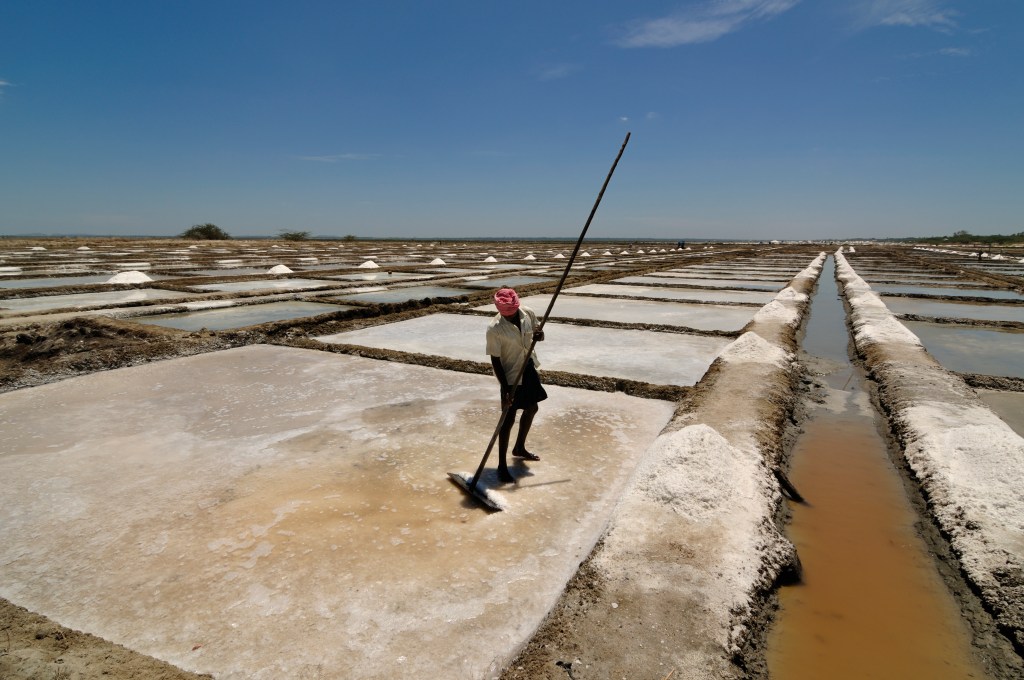
In the far west of India, near the coast of the Arabian Sea, is the Rann of Kutch. For a few months out of the year, it is a marsh submerged underwater, but for the most part, it is a barren wasteland. Even so, some 40,000 families migrate out into this wasteland every year for seven to ten months and call it home. They are the Agariya people, and they have been farming this land for centuries. Not for wheat, corn, or some other crop we typically think of, but for salt, harvesting 76% of the salt produced in India.

I recently watched a documentary on these families, My Name is Salt. It was fascinating. The conditions are harsh. Temperatures can range from 40ยฐ to 104ยฐ, and the people suffer from various illnesses due to the salt. The average lifespan is only 60. It is a fantastic story, and even more so is how the salt is farmed.

It is a fairly extensive process, but they form โ€œbedsโ€ where groundwater is pumped up. Through evaporation, the salt is rendered from these โ€œbeds.โ€ To initiate the crystalization process, they lay small branches on the surface of the beds, and the salt begins to form crystals along the branches. When those crystals are large enough, they come along and beat them off the branches, and they continue to growโ€”youโ€™ll have to watch the documentary to seeโ€”but in the end, they have mountains of beautifully white salt.

Todayโ€™s Gospel reading from Matthew is a part of the Sermon on the Mount, and what we heard follows closely after the Beatitudes. In the three verses between the Beatitudes and our verses today, Jesus said, โ€œYou are the salt of the earth. But if the salt loses its saltiness, how can it be made salty again? It is no longer good for anything, except to be thrown out and trampled underfoot.โ€ Jesus then speaks of light in a similar way, and then then our verses for today.

Taken out of context, the verses we heard seem to indicate that we are in error by not following the Law as prescribed by Moses. But in the context of the Beatitudes and with this idea of being the โ€œsalt of the earth,โ€ we begin to understand that Jesus had something else in mind, which is why I thought of those salt farmers.

God gave the Law to Moses. We know the top ten, but there are 613 laws in the Law of Moses. Everything from โ€œThou shall not murderโ€ to โ€œdonโ€™t eat bacon.โ€ There are so many laws, and they are so intricate, that only a very few could remember it all, and none could follow. To remedy this, God sent His one and only Son, Jesus, to โ€œharvestโ€ the Lawโ€”to reduce it down to its purest nature, which Jesus did: โ€œTeacher, which is the greatest commandment in the Law?โ€ Jesus replied [with what we know as the Summary of the Law]: โ€œโ€˜Love the Lord your God with all your heart and with all your soul and with all your mind.โ€™ This is the first and greatest commandment. And the second is like it: โ€˜Love your neighbor as yourself.โ€™ All the Law and the Prophets hang on these two commandments.โ€

Jesus โ€œharvestedโ€ the Law and reduced all there was down to those few statements, and ultimately to one wordโ€”loveโ€”and โ€œnot one letter, not one stroke of a letter, will pass from the law until all is accomplished.โ€

Like Jesus, we are called upon today to harvest this salt of Godโ€™s love. We are to take this beautifully white โ€œsaltโ€ of Godโ€™s love and season everything we touch with it and then share it. There will be days filled with joy and days when the conditions are harsh, but we are โ€œsalt farmers,โ€ and sharing Godโ€™s love is what we do.

Sermon: Holy Name

Photo by Gift Habeshaw on Unsplash

Question: How does your name make you feel? Do you like it? Do you wish your parents had been a bit more creative? Turns out, our names impact who we are, how we perceive ourselves, and how others perceive us.

โ€œThe psychology of names in the context of humans is a rich and complex subject that touches upon culture, identity, and perception. Names are not just words; they are the essence of who we are, representing our heritage, values, and aspirations. They have the power to shape our self-identity and influence how others see us. In a world of diverse cultures and traditions, names are a reminder of the beauty of human individuality and the shared bonds that connect us across generations.โ€

John is a relatively common name; it is the third most popular name in the last 100 years. As of 2022, I share the name John with 4,354,502 others. That said, I like it. It seems to fit my vocation as a priest, and when I think of it in those terms, I feel more related to John the Baptist than the Apostle Johnโ€”although they both influence how I understand myself.

Today, however, we celebrate a different nameโ€”the Holy Name of Jesus. (Officially celebrated on Monday.) The name โ€œJesusโ€ is from the Hebrew Joshua, or Yehoshuah, meaning โ€œYahweh is salvation” or “Yahweh will save.โ€ It was the name given to Jesus by his Father. As we read in St. Paulโ€™s letter to the Philippians:

Therefore God also highly exalted him
โ€ƒโ€‚and gave him the name
โ€ƒโ€‚that is above every name,
so that at the name of Jesus
โ€ƒโ€‚every knee should bend,
โ€ƒโ€‚in heaven and on earth and under the earth,
and every tongue should confess
โ€ƒโ€‚that Jesus Christ is Lord,
โ€ƒโ€‚to the glory of God the Father.

The name Jesus is interesting and has wildly varying effects on people. It can cause some to give thanks and others to rage. It is a name that can bring peace and ravaging wars. It is truly the name above all names, but why so much division? Why so much discord when it is spoken? There are many different answers, but one thing is for sure: we can either contribute to the rancor or help bring about greater peace, for in the same way that people recall the name of an Ernest Hemingway novel when they hear my last nameโ€”For Whom the Bell Tollsโ€”they will or will not recall the name of Jesus when they hear yours. Consider a Stradivarius violin.

Stradivarius is the name associated with the finest violins in the world. This is true because Antonius Stradivarius insisted that no instrument constructed in his shop be sold until it was as near perfection as human care and skill could make it. Stradivarius observed, โ€œGod needs violins to send His music into the world, and if any violins are defective, Godโ€™s music will be spoiled.โ€ His philosophy was summed up in one sentence: โ€œOther men will make other violins, but no man shall make a better one.โ€

Each violin was unique in itself, but each was the finest instrument of its kind. If not, Stradivarius would not attach his name to it. If he had, then the instruments he attached his name to would not have been considered of such great value, and in turn, his name would have been smeared and his influence forgotten.

In a similar manner, as the Christian people, the name of Jesus is attached to us, and if we are not viewed as the holy instruments of our God, then we tarnish the name of Jesus. In the process, we drive people away from the Truth and, in many cases, make them enemies of God.

You bear the most holy name in history: Jesus. When people speak your name, may the name they also recall in their minds be that name: Jesus, because, through you, they have experienced Him.

Sermon: Easter 4 RCL C – “Light”


There was a very poor Christian man living in the countryside of China.  When it came time for his prayers, he always wanted to make a sacrificial offering to God so, because food was scarce, he would place a dish of butter on the window sill.  One day his cat came along and ate the butter and then went on to develop the habit of eating the butter, the offering to God.  To remedy this, before his time of prayer, the man leashed the cat to the bedpost.  This man was so revered for his piety that others joined him as disciples and worshipped as he did. Generations later, long after the holy man was dead, his followers continued to place an offering of butter on the window sill during their time of prayer and meditation.  And, in addition, with no idea why, each one bought a cat and leashed it to the bedpost.

Traditions.  Sometimes our traditions make sense and sometimes it seems weโ€™re all just tying the cat to the bedpost.  (For the record: The Queen would not appreciate this tradition.)  When it comes to the traditions of the Church there are some who see our traditions as an integral part of our worship and others who see them as baggage from a superstitious past.  I for one am a firm believer in traditions because worship of our God should involve the entire person and all the senses.   G.K. Chesterton writes, โ€œTradition means giving votes to the most obscure of all classes, our ancestors.  It is the democracy of the dead.  Tradition refuses to submit to the small and arrogant oligarchy of those who merely happen to be walking about.โ€  Tradition is not just about what we think ought to be done, but what we as a Christian people collectively throughout the history of the Church believed should be done.  Not simply for the sake of doing themโ€”tying the cat to the bedpostโ€”but doing them because they give greater depth and meaning to our faith.  Many of our traditions are not only Christian but Jewish as well.  From the practice of the Last Supper that evolved out of the Passover Meal, to the celebration of Pentecost, which was originally the feast of Shavuot in Judaism.

Our Gospel reading today provides another example: โ€œAt that time the festival of the Dedication took place in Jerusalem.  It was winter, and Jesus was walking in the temple, in the portico of Solomon.โ€  For us, we read that as just one of the many Jewish Feast days, but for the Jewish people it is tradition, and if we look a bit more closely, we discover that it is about our tradition as well.

We know that the Israelites had been taken into captivity on a few occasions and we also know that the land of the Israelites was occupied by various foreign armies.  A couple of hundred years before the birth of Christ, the occupying armies were the Greeks.  At first, things were at least peaceful.  The Jews were allowed to continue their worship of the One True God, but then along came Antiochus Epiphanes who changed everything, which included the profaning of the Temple and trying to force the Israelites to worship the Greek gods.  This didnโ€™t go over so well and eventually led to rebellion against the Greeks with the family of Maccabees/Israelites leading the fight.  The Maccabees prevailed and afterward, they worked tirelessly to restore and rededicate the Temple and the worship that took place there.  

As part of that first Dedication, all the ornaments that God originally prescribed had to be in place, one of which was the Golden Lampstand that we learn about in Exodus, chapter twenty-five: โ€œYou shall make a lampstand of pure goldโ€ฆ six branches going out its sidesโ€ฆ you shall make seven lamps for it.โ€  And this light was to signify the very presence of God.  A bit further on in chapter twenty-seven we are told about the oil for the lamp, โ€œpure beaten olive oilโ€, which took eight days to prepare.  However, this left the Maccabees in a quandary.  They wanted to dedicate the Temple as quickly as possible, but they only had enough oil for one day.  They could use what they had, but the lamp would go out before the end of the festival or they could use regular oil, which would have worked but would have been against Godโ€™s law or they could just wait until the proper oil was ready.  We find their decision in the Talmud (the Rabbinic oral tradition) Shabbat 21b: โ€œAnd there was sufficient oil there to light the candelabrum for only one day.  A miracle occurred and they lit the candelabrum from it eight days.  The next year the Sages instituted those days and made them holidays.โ€  Tradition.  The tradition is known as the Festival of Lights orโ€ฆ Hanukkah.  Hanukkah means, dedication.  As you know, the eight-day festival is celebrated every year in the winter, generally near Christmas and all this places our Gospel reading into context: โ€œAt that time the festival of the Dedication took place in Jerusalem. It was winter, and Jesus was walking in the temple, in the portico of Solomon.โ€

With that in mind (some may mark this up as a happy coincidence but Iโ€™m more in favor of calling it a God-incidence): what did John tell us in the prologue to his Gospel?  John wrote, โ€œIn the beginning was the Word, and the Word was with God, and the Word was Godโ€ฆ.  In him was life, and the life was the light of men.  The light shines in the darkness, and the darkness has not overcome itโ€ฆ. The true light, which gives light to everyone, was coming into the world.โ€  In the chapters leading up to our Gospel, Jesus has saved the woman whom the Pharisees were going to stone to death for adultery, He has told them that He speaks for the Father and that He speaks the truth, He has told them that before Abraham, โ€œI amโ€ (he was), He gave sight to the man born blind, and declared Himself the Good Shepherd but before all this, what did Jesus say about Himself?  Jesus said, โ€œI am the light of the world. Whoever follows me will not walk in darkness, but will have the light of life.โ€

Now, put that all togetherโ€ฆ

โ€œAt that time the festival of the Dedicationโ€”the Festival of Lightsโ€”the miracle of lightโ€”took place in Jerusalemโ€”the very City of God. It was winterโ€”it was the coldest and darkest time of the year, and Jesusโ€”the Light of the World, the light that the darkness will not overcome hasโ€”is walking in the temple, in the portico of Solomonโ€”he is walking in the very place where God commanded the Israelites to continuously burn a light to signify His presence.โ€  On the day we are reading about in our Gospel, the True Light of God, Jesus, has entered the Temple, Godโ€™s โ€œhomeโ€ on earth and it is this light, the light of Jesus, that still burns today, but what does that have to do with us and our traditions?

The Golden Lampstand was in the Temple in Jerusalem, but as we know the Temple was eventually destroyed in 70 a.d., so in order to demonstrate the light of Godโ€™s presence an eternal lamp/light is hung over the tabernacle (the niche for the Torah scrolls) in every synagogue.  This eternal light is known as the Ner Tamid.  Its use is based on the exact same texts as those used for the Golden Lampstand.  And we continue this tradition with the Sanctuary Lamp that burns above our Tabernacle/Aumbry but our Sanctuary Lamp is not just a cat tied to the bedpost.  It signifies to us the very Real Presence of God, of Jesus in this placeโ€ฆ but wait, thereโ€™s more!  That Sanctuary Lamp also reminds us of who we are: โ€œYou are the light of the world. A city set on a hill cannot be hidden.  Nor do people light a lamp and put it under a basket, but on a stand, and it gives light to all in the house.  In the same way, let your light shine before others, so that they may see your good works and give glory to your Father who is in heaven.โ€

God gave the Israelites a commandment to have an eternal flame signifying his presence in the world and so they built a lampstand and filled it with oil just as he prescribed.  Yet the light that this lampstand emitted was only a sign of Godโ€™s presence.  At the feast of the Dedication when Jesus arrived at the Temple, the Light of God, the very presence of God was truly there.  And now, just as the Israelites were given a commandment, so are you, โ€œLet your light shineโ€ for it is indeed the light of Christ and it is a light that the darkness still seeks to overcome but through your faithfulness and perseverance it will burn ever brighter.

Let us pray:
The light of God surrounds us,
The love of God enfolds us,
The power of God protects us,
The presence of God watches over us,
Wherever we are, God is,
And where God is, all is well.
Amen.