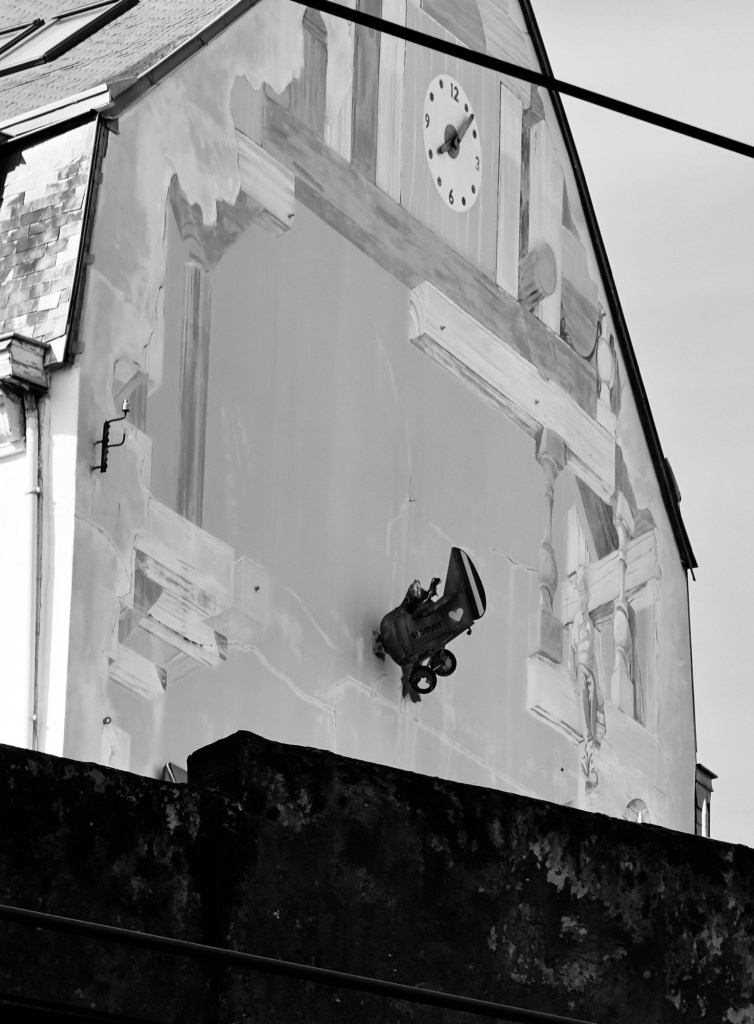
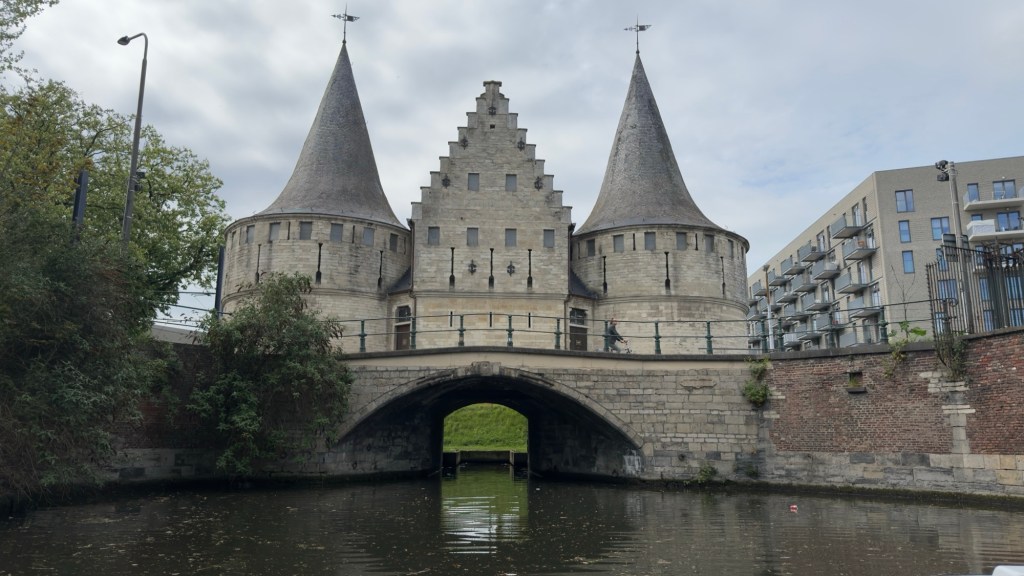
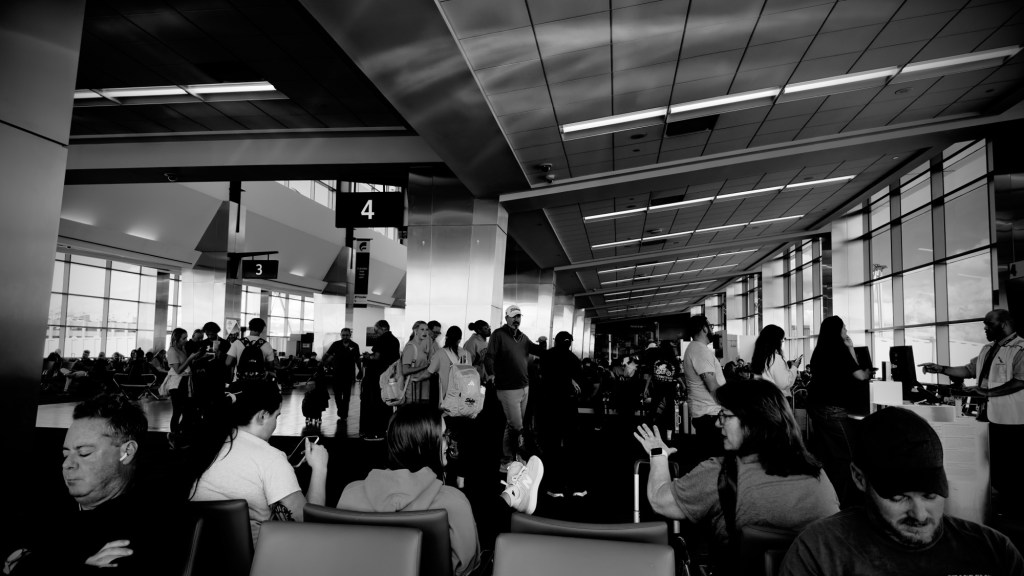
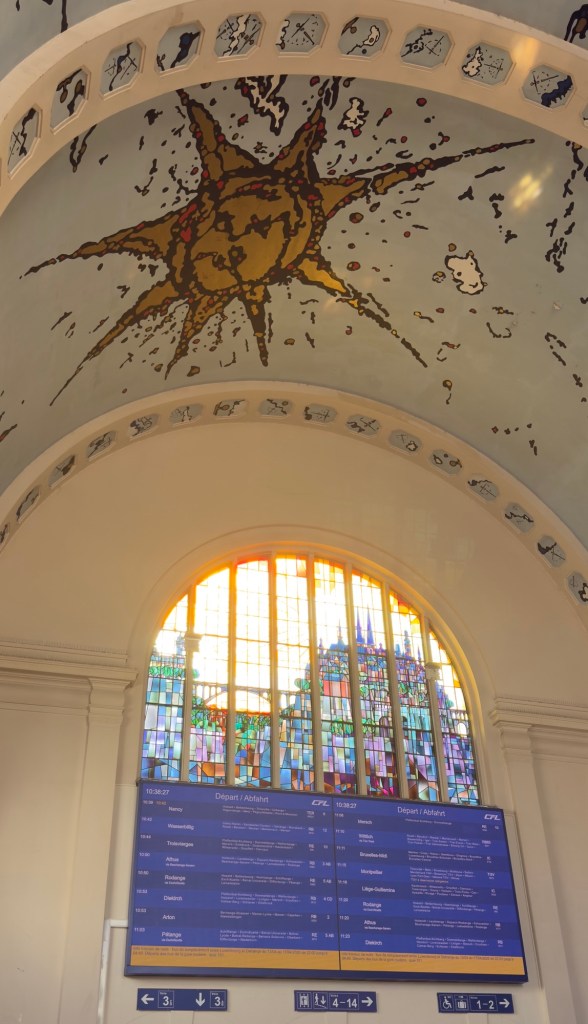
Yesterday was a much easier day of travel from Rouen to Luxembourg—took the train. We did not crash into any buildings.
After so many days of going, I took the day off. My only reason for getting up and dressed was breakfast and phone charger—I forgot to bring my converter for the outlets. The other hotels had USB ports, but this one did not. Glad to have brought my battery pack to charge the phone last night.
After returning to the hotel, I did the only logical thing: took a nap. Then got up and worked on a short story, Execution Day, which I hope will be part of a collection of short stories that I’ve been working on—Seven Deadly—although there will be more than seven stories, and they will not all be too deadly.
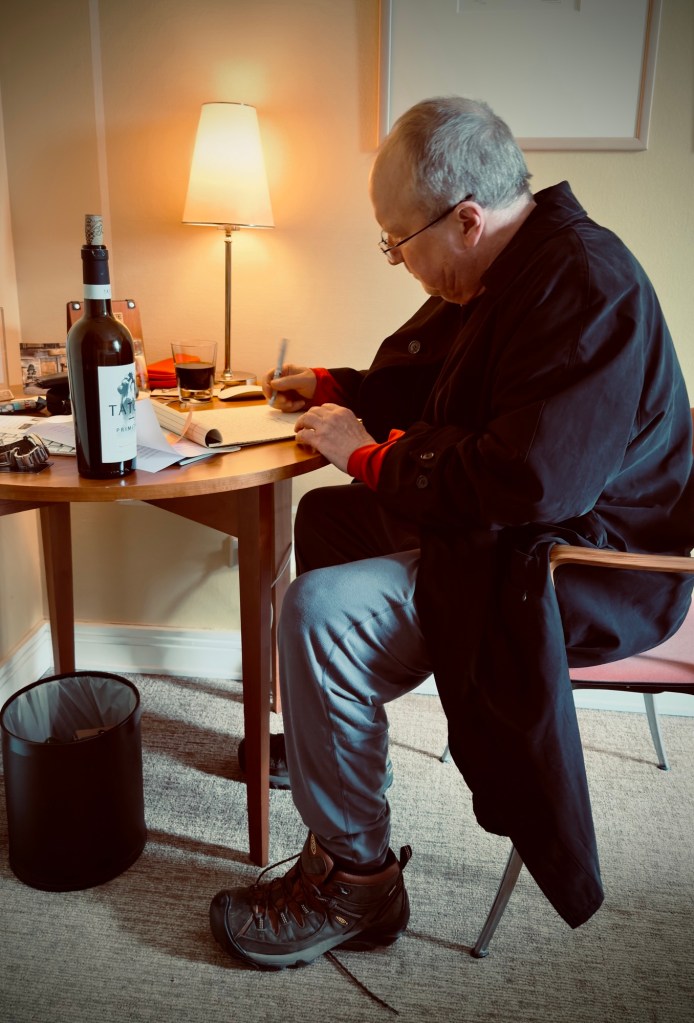
At one point, as I sat here in my PJs and writing, I got a bit chilly. I do not have a robe or slippers with me, so did the best I could. The result: me sitting in my PJs, wearing my overcoat (which I’m very glad I brought) and my hiking boots.
Selfie Stick and timer set on phone + mad dash to strike the pose.
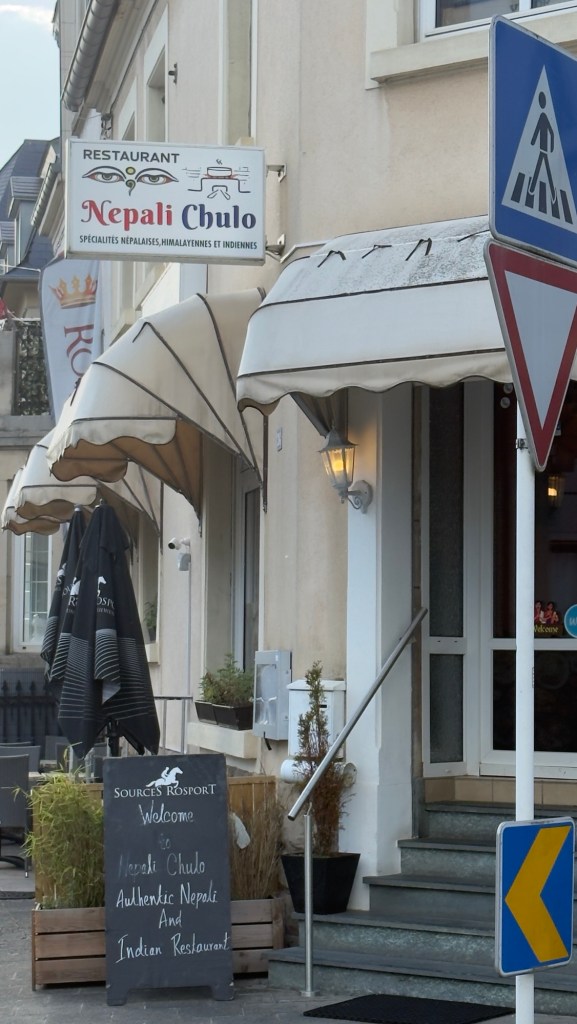
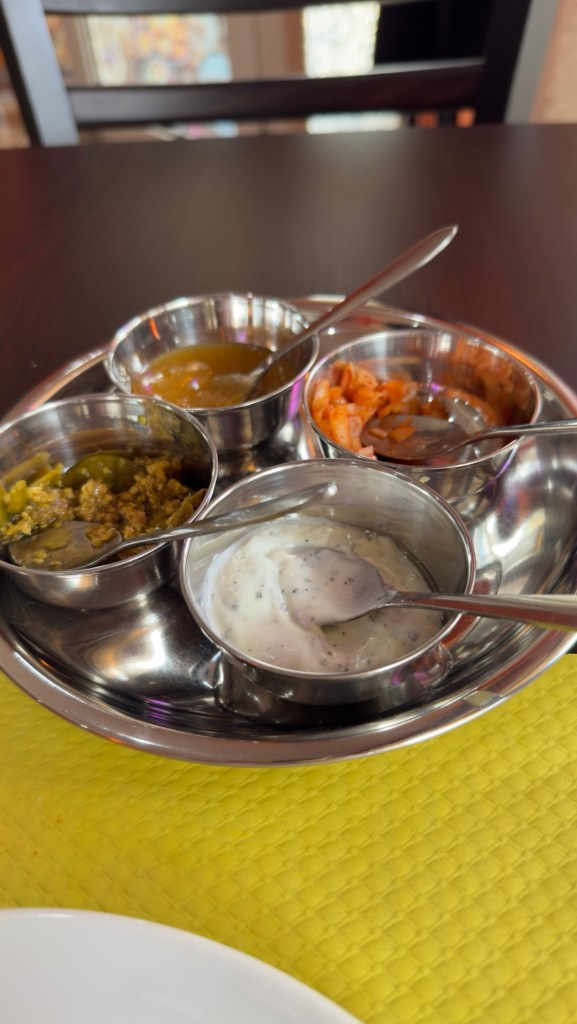
After such hard work, it was time for some food. I went for something completely different and will likely be sitting up in bed all night because my white-bread American stomach doesn’t handle spicy food too well, but it was so very good.
The meal…
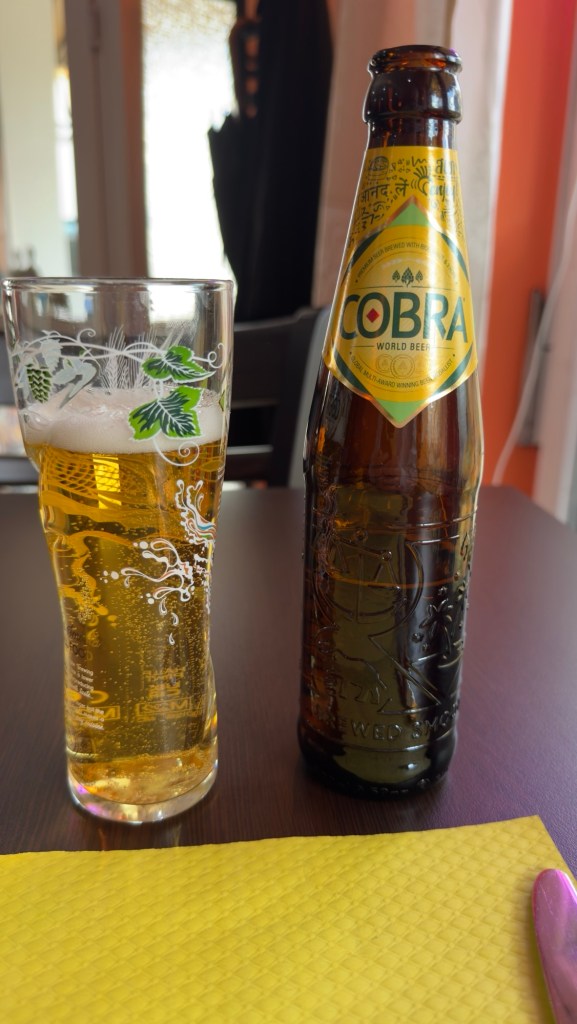
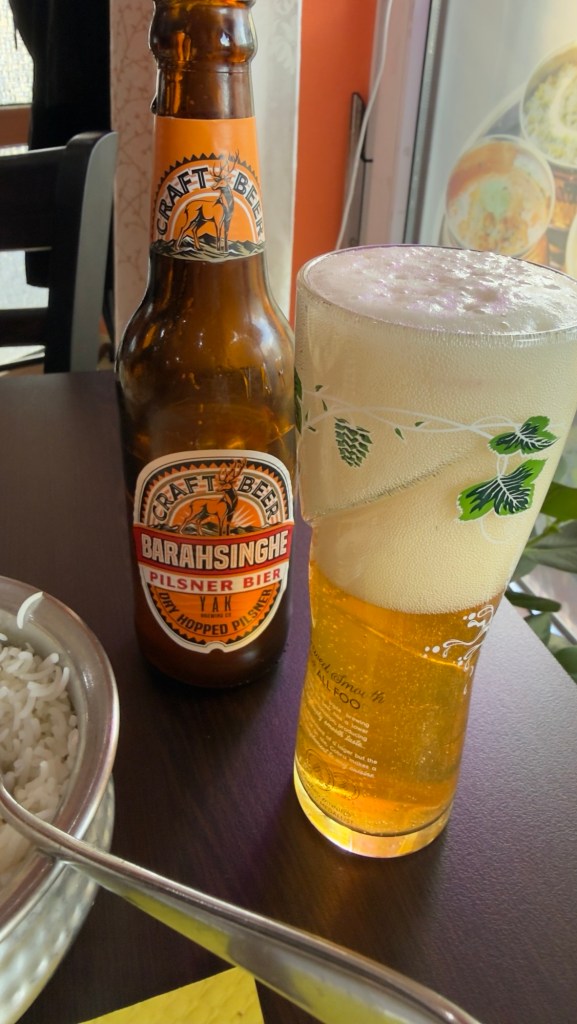
I had no idea what I was ordering, so relied on my very kind host to help me out. I had at first wanted to attempt one other dish, but it had three 🌶️🌶️🌶️ beside it. My host said it wasn’t possible to make it milder, so we agreed on a dish with 🌶️🌶️, and he said he could get it down to 🌶️. It was perfect! Timmuri with Sichuan pepper, onion, ginger, garlic, and Nepali spice. I added some lamb to get a bit extra. The nan was with garlic. He had me first try the Cobra beer from India (after getting it, I remembered that I had it once before in Lisbon) and then he said I must try a Nepalese beer… excellent. Much more carbonation and natural taste.
This is just an American talking here, but… it seems that when you eat out in various countries, if you eat at a “local” restaurant, you’ll likely get good food, but the attitude that comes with it really puts me off—they’re doing you a favor by deigning to have you seated in their establishment. However, if you choose an ethnic restaurant, well, like you, they are the foreigners. They know what it is like to be a stranger in a strange land and so, to me, they are so much kinder and helpful. Look, I willingly admit, I don’t know what I’m doing half the time and I sure as heck don’t know what I’m ordering, so when you ask, “What do you recommend?” the locals will roll their eyes, but the foreigners like you will smile and be so very helpful. Something about it in Leviticus (perhaps 19:33-34) but I won’t get preachy.
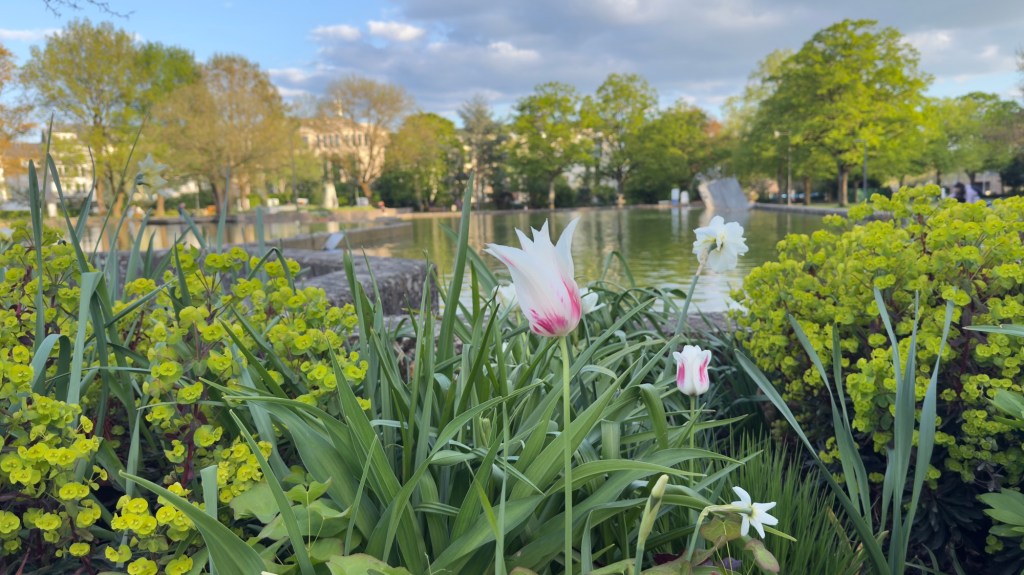
There is a park behind my hotel that I can see from the window…
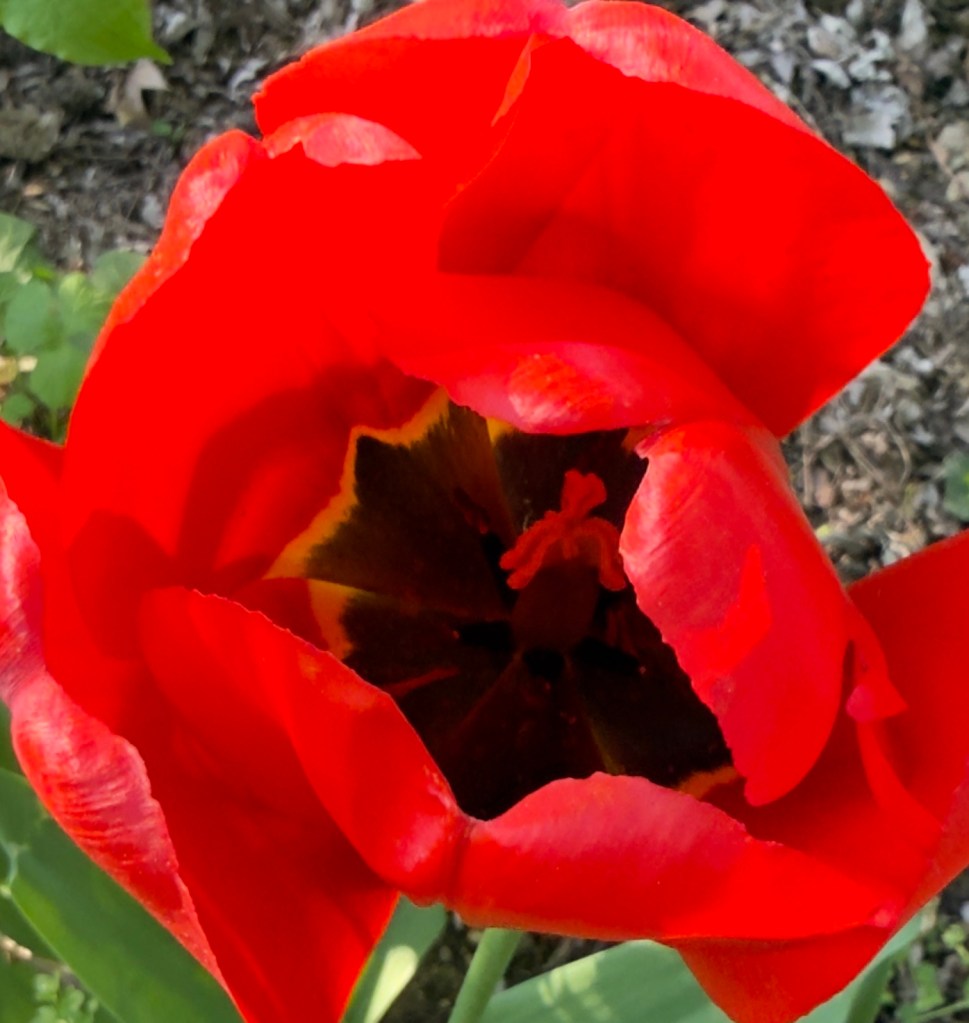
…so on the way, in an attempt to walk off some of that meal, I took a stroll. Beautiful flowers that my brother would be disgusted with me if I didn’t stop and smell. So, for the brother…
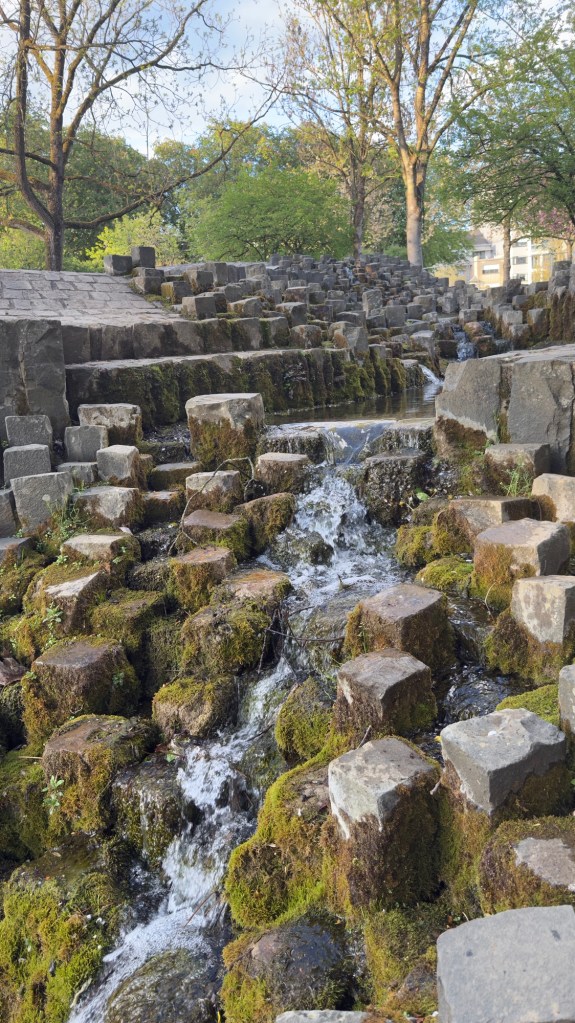
And don’t forgetting be the babbling fountain:
As I stood next to the water, these two came cruising by…
The last two days have been the most relaxing of the expedition (although I’ve loved it all—except maybe for the long bus trip, but I did get to see the Eiffel Tower and I was in Paris), and on several occasions, I have caught myself smiling for no dang reason at all. Those around me probably think they have a crazy person on their hands, but… No… just me. It is a good feeing to smile for no reason at all.
I think I’ll work on my short story for a bit longer, then do some reading. I’m very much into Haruki Murakami these days and have been working through 1Q84, which is delightfully Murakami.
My days may be off, but we are seeing the world. I hope this post is more than a photo dump like the other day, but… I’ve experienced so much. Let’s see what happens…
Yesterday was a travel day extraordinaire! Twelve hours from point A to point B. One of those hours was stupidity on my part in not knowing how to read my ticket, the other eleven hours were automobiles and buses (two of them to be exact). The first half of the trip was good, but when I hit Paris — OY! Note to self: when reading your bus ticket, don’t look for destination—look for bus number. I was probably standing directly next to my outbound bus for thirty minutes, but the board never said, “Rouen.” Instead, it said the next stop (whatever that was), and I missed it. Had to purchase a new ticket for the next bus. Dang near missed that one as well until I realized my mistake.
There was a fun sight along the way:
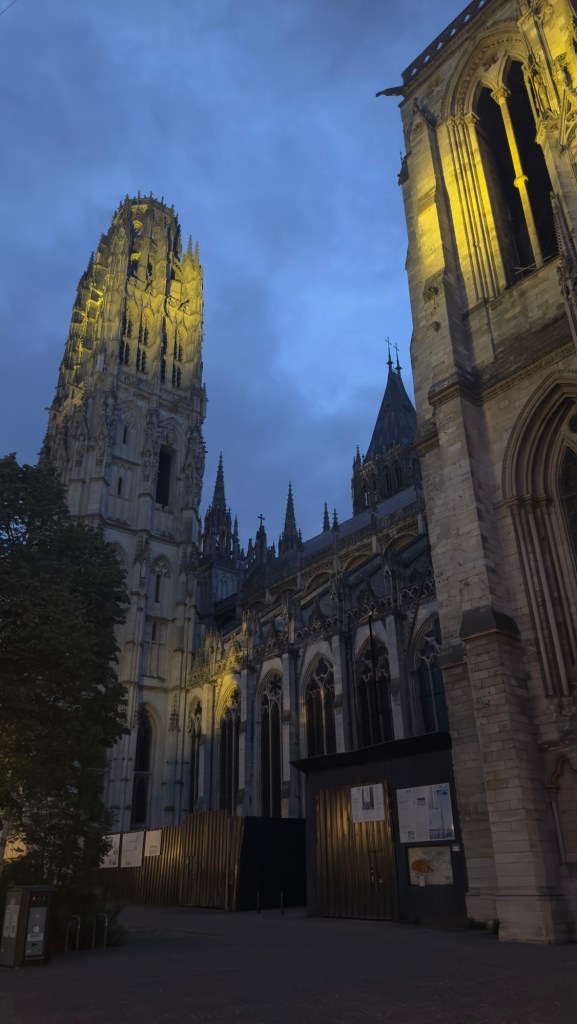
Paris traffic was c.r.a.z.y. and the bus driver headed down the wrong street twice and had to back up! but I finally arrived (two hours later than planned) in Rouen, France. Life is good! I’m in France for Pete sake! (Sorry, “Pierre sake!) The fella checking me in at the hotel was VERY French in attitude, but I smiled. It was dark, but I decided to see what I could see. It was so worth the 12 hours of traveling. I came around a corner… I don’t know that a tear ran down my cheek, but it was a close call.
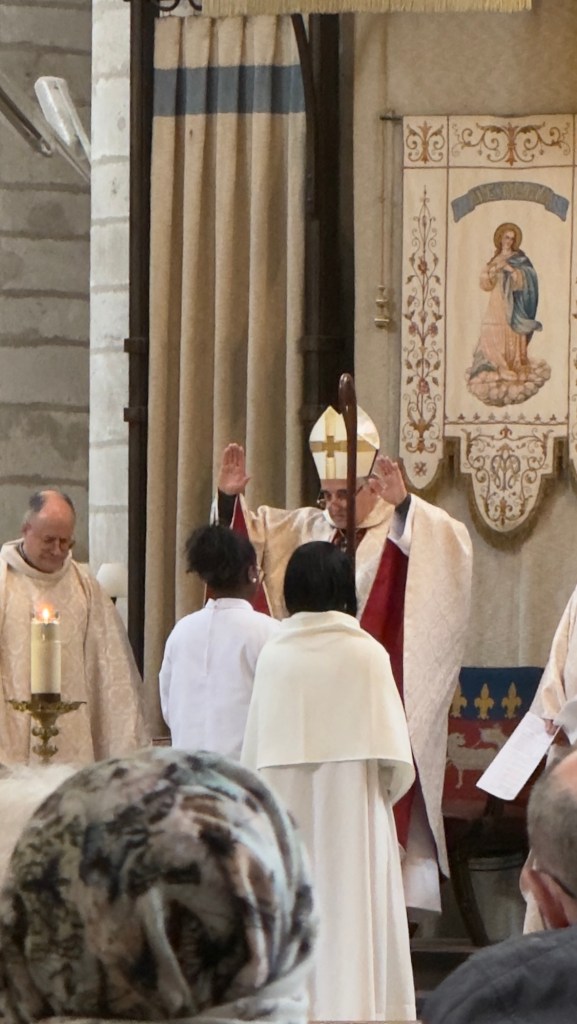
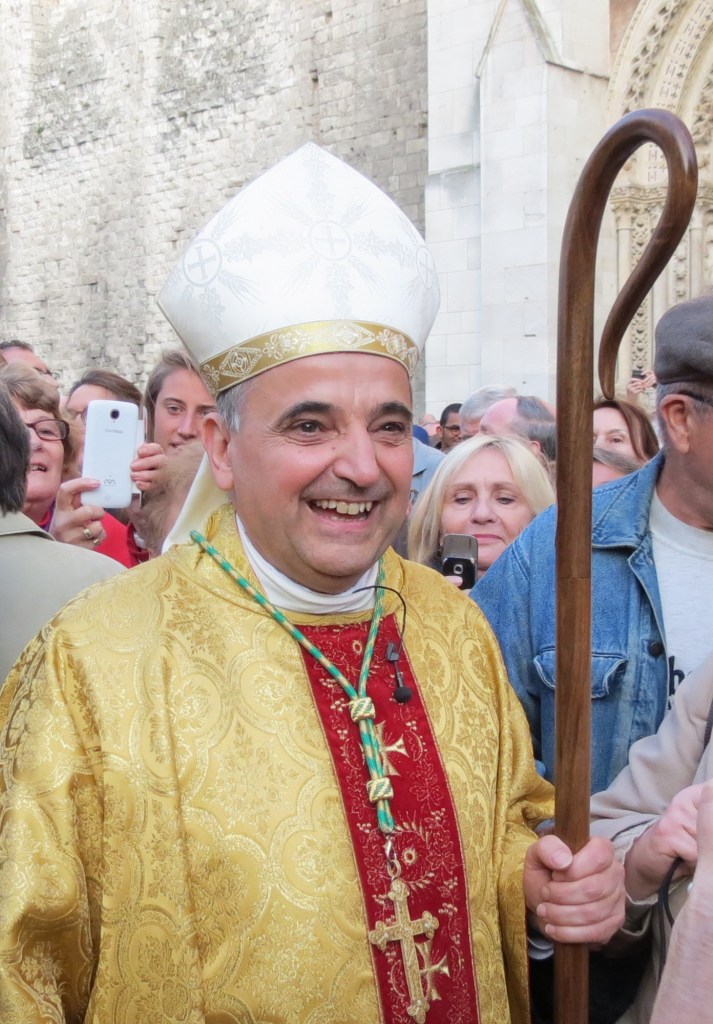
This morning, I woke up feeling refreshed and ready to see what the city offered, but I did have one destination in mind. First things first, though… I went back to the cathedral to see the inside, but no sooner had I arrived and they were ushering us all out. What? Turns out, Mass was about to begin. Well, my Anglican friends, I kept my mouth shut and had a seat. What a surprise and blessing for me: from my Facebook post… “When your heathen soul gets lucky and you show up on time to attend mass with the Archbishop of Rouen and Primate of Normandy, Monseigneur Dominique Lebrun. Second photo from web.”
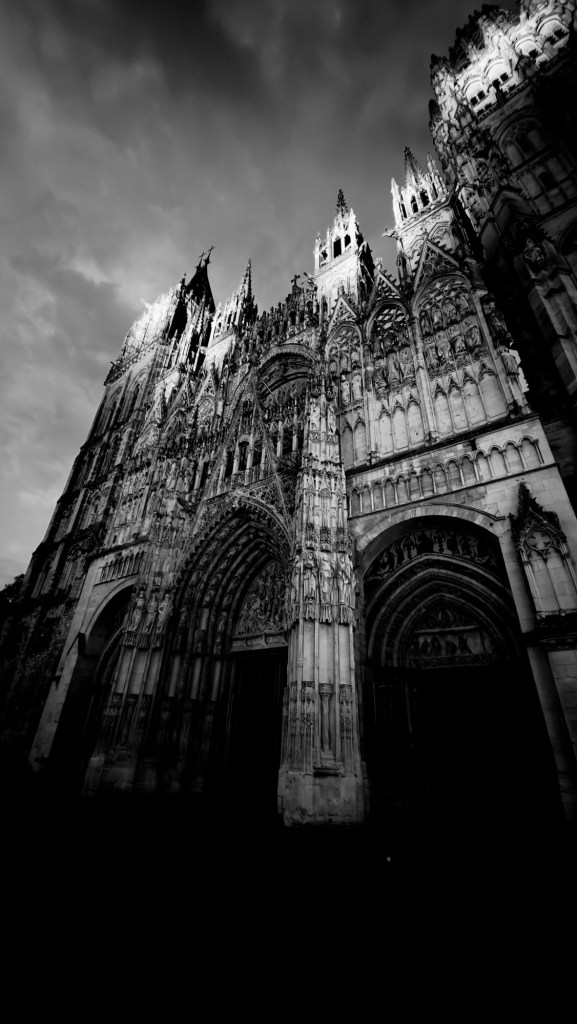
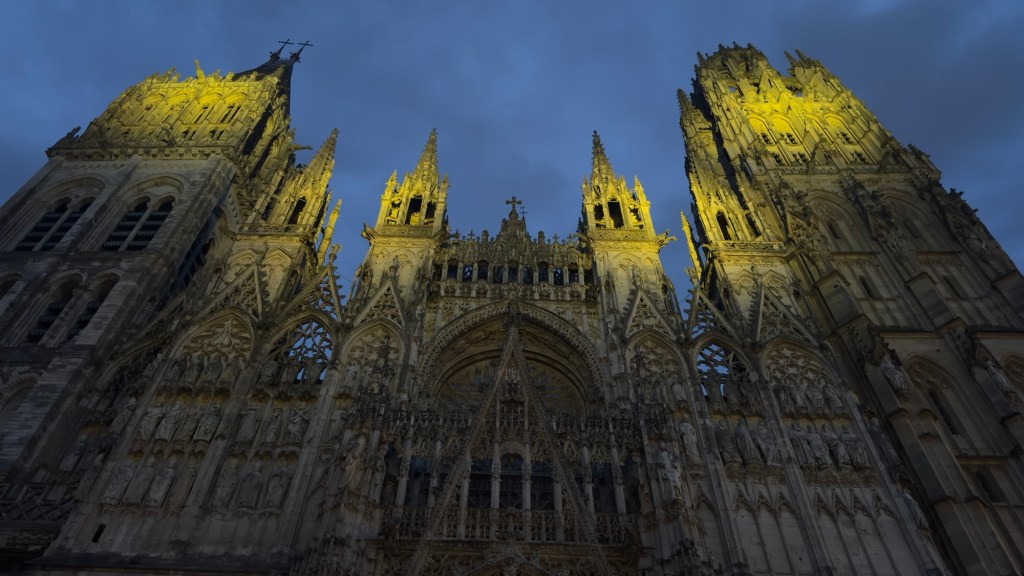
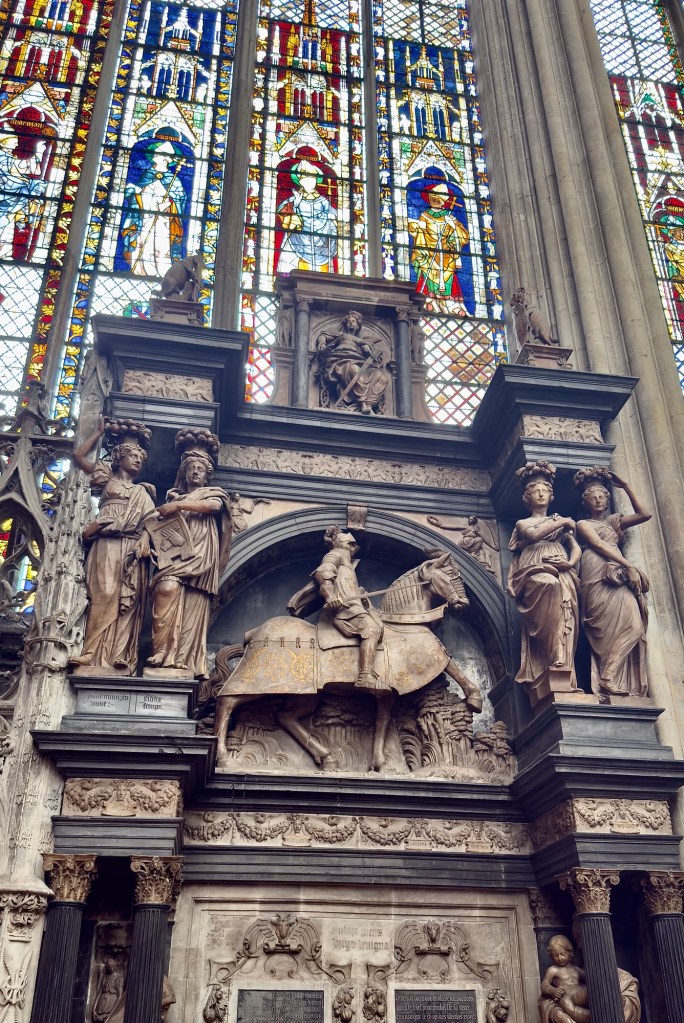
At this point I was feeling good. I continued with my tour, seeing what I could see. Only problem: so much of what I wanted to see was behind locked gates and I wasn’t allowed to get close. Just you wait! My first time through the 12-century gothic Cathédrale Notre-Dame de Rouen.
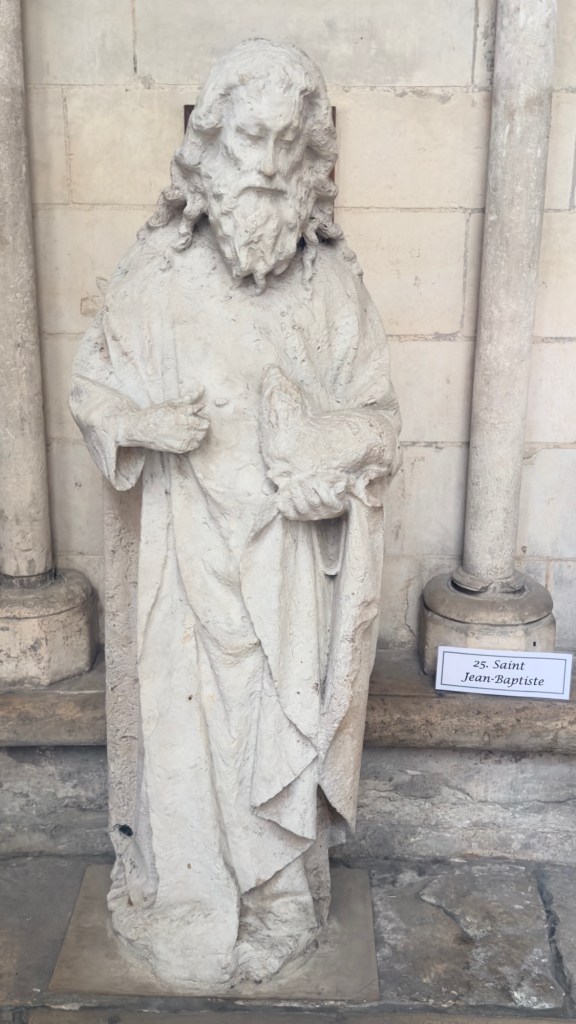
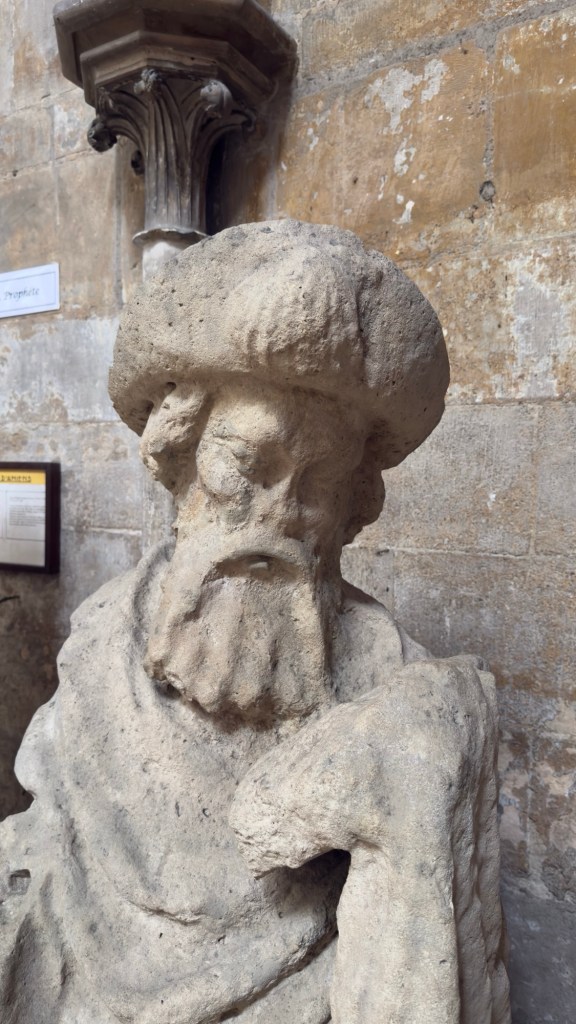
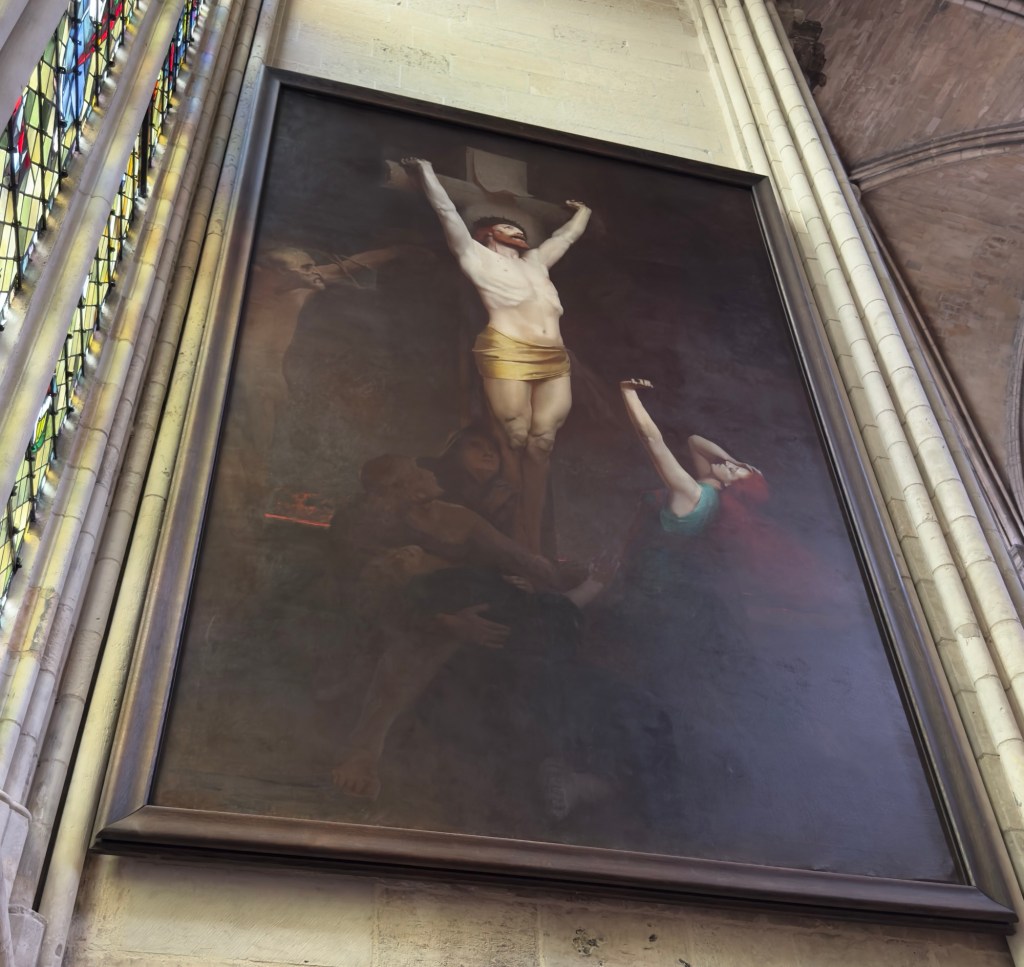
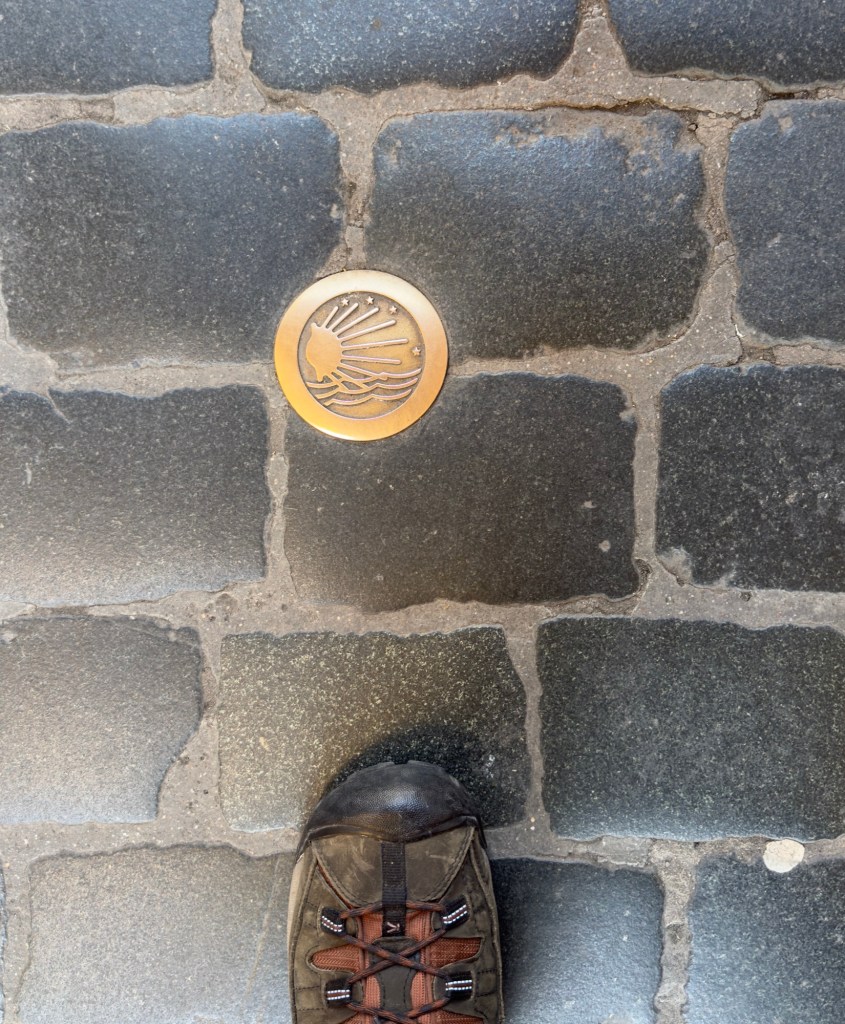
1000 years in the weather has done much damage to everything. They are working on the restoration, but it is a slow process. St. James: notice the shell on his cap. Having walked a portion of the Camino de Santiago, that shell is like a secret sign and your eye is immediately drawn to it. I stopped dead in the middle of a street later in the day. I’ll show you that in a minute.I would like to say that It was Jesus who caught my attention in this picture, but it was that red hair. I don’t know what that says about me. I haven’t identified the artist.
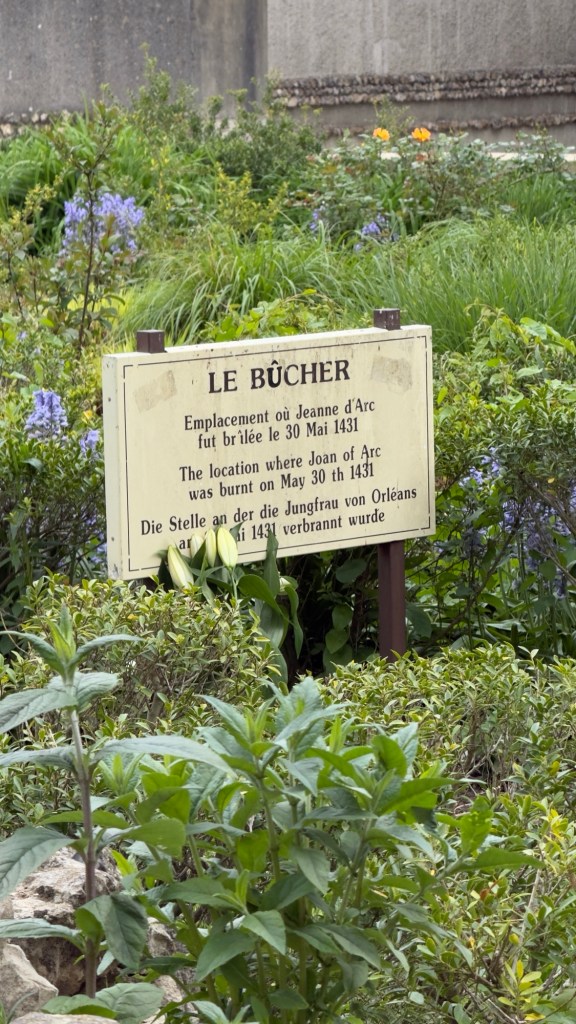
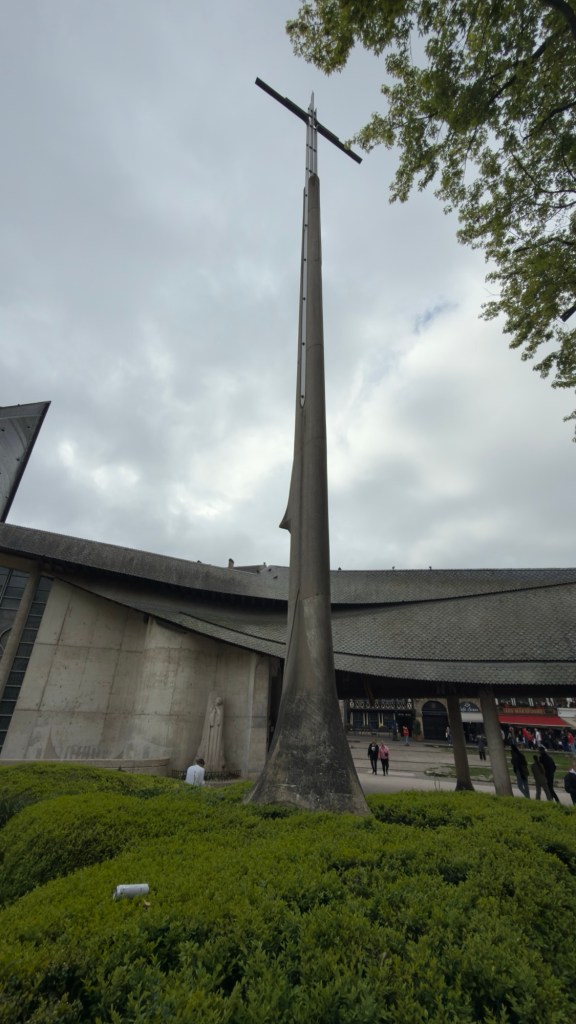
We’ll be back at 2:30 p.m. but for now, I headed to my next destination—and the point of coming to Rouen to begin with—the place where Joan of Arc was burned at the stake.
Friends, Joan of Arc has been a hero of mine forever. This was on the list of places to visit from the first time I came to Europe. It was simple, noisy, dirty, smelly, drunks being loud, people oblivious, none of it mattered… I pulled out my small rosary and rubbed it in the dirt of this place.
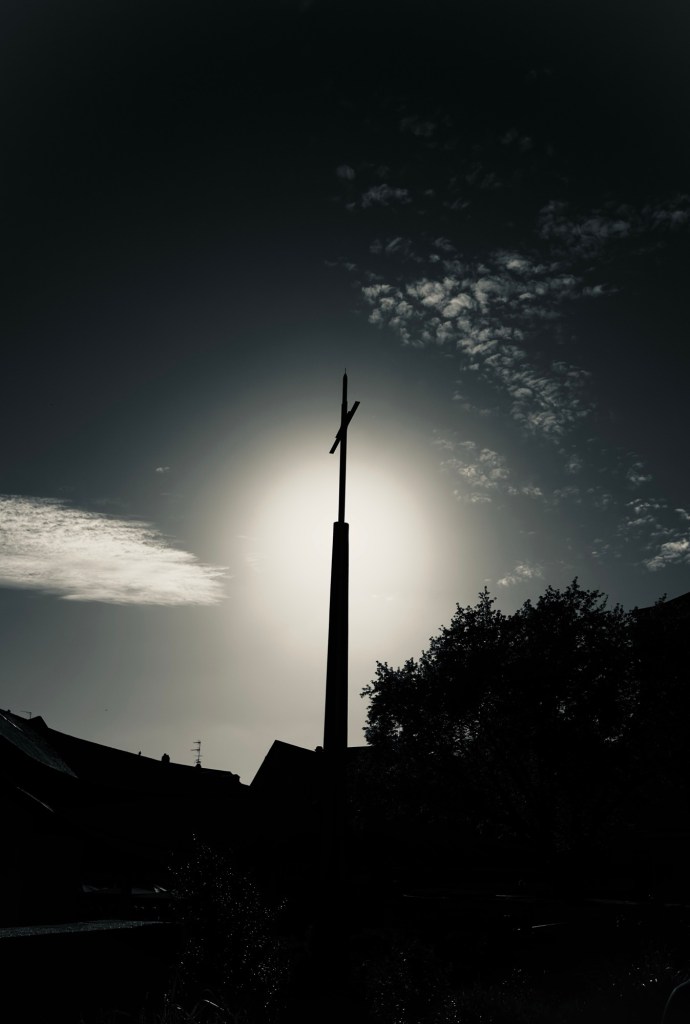
I came back later in the day and found the spot with the sun directly behind the marker.
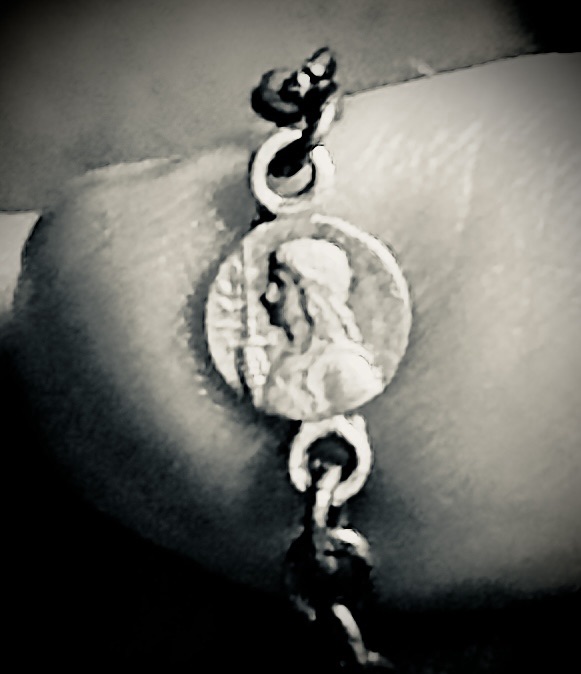
The small Joan of Arc medal on my rosary that came home to her ashes…
Sitting here shaking my head… don’t know how to explain.
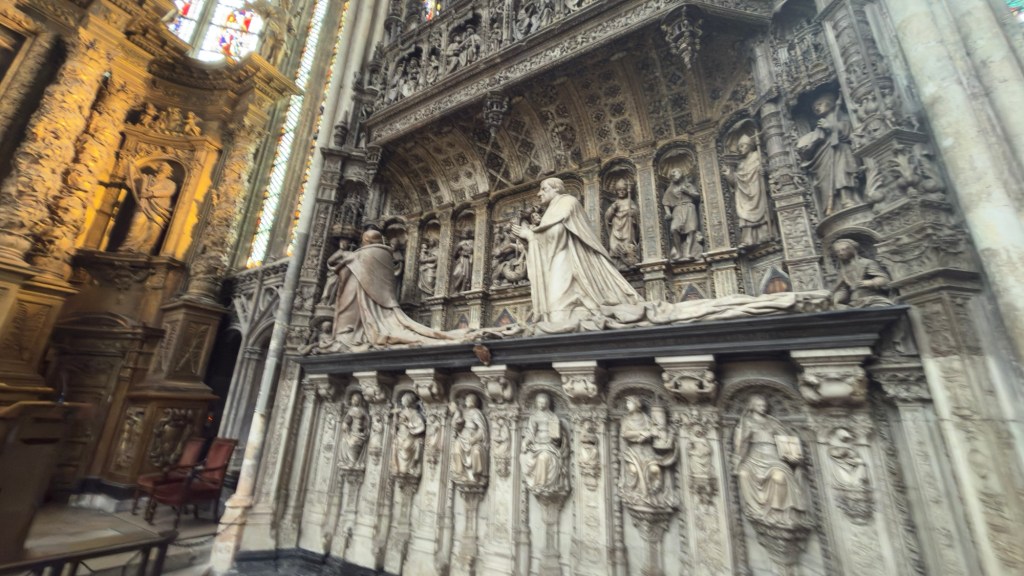
I stopped and had some lunch, seafood, then made my way back to the cathedral. I had read somewhere that there is a tour that begins at 2:30 on Saturday. It is not posted anywhere or publicized. Show up and join in. I did. For the next three hours, I visited the parts of the cathedral I wasn’t allowed to get close to and parts I didn’t even know existed! Amazing. There were only ten of us on the tour. Did I mention it was all in French? I didn’t understand a word said, but it was absolutely fascinating.
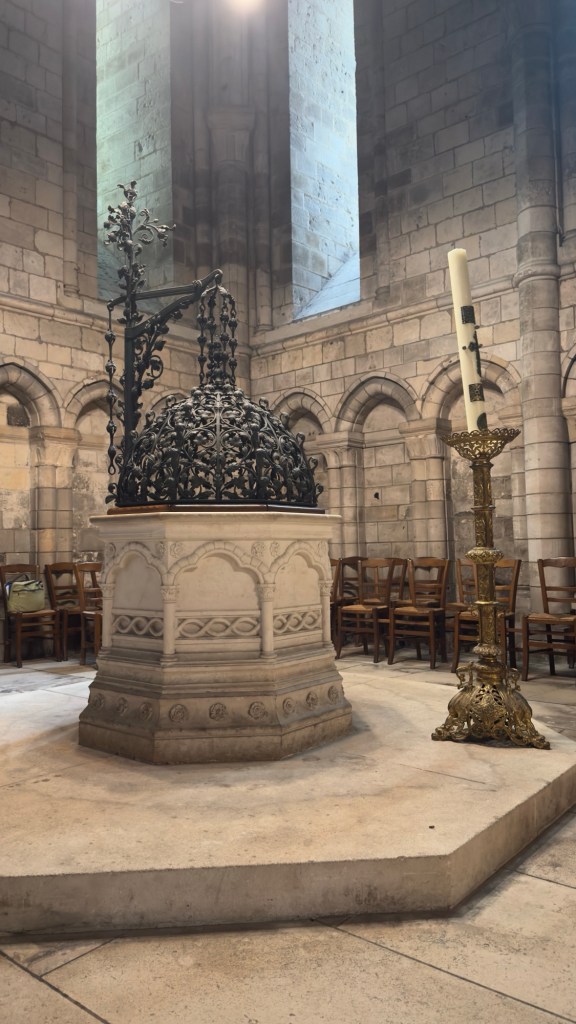
The Baptistry…
It was all I could do not to straighten that candle!
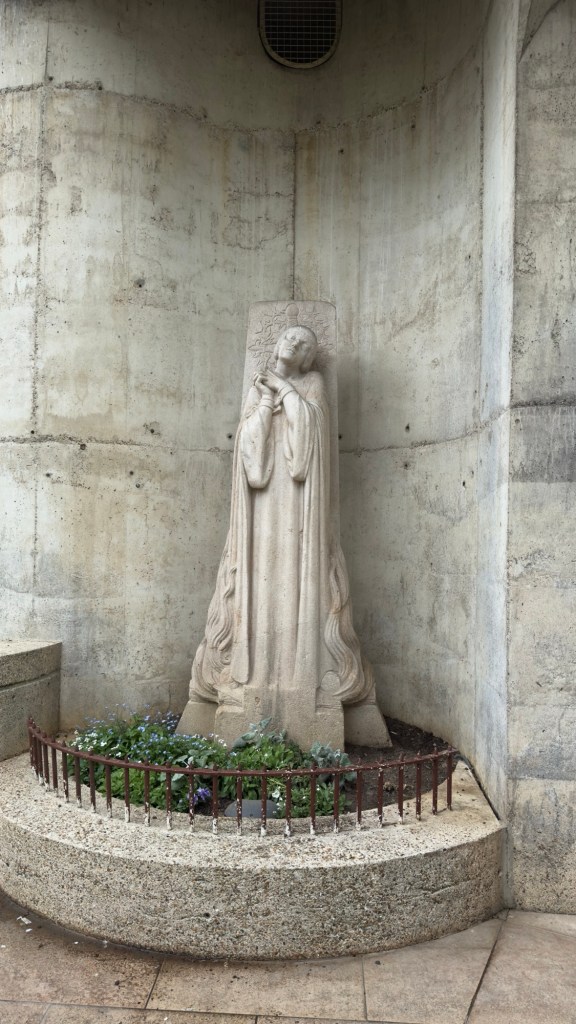
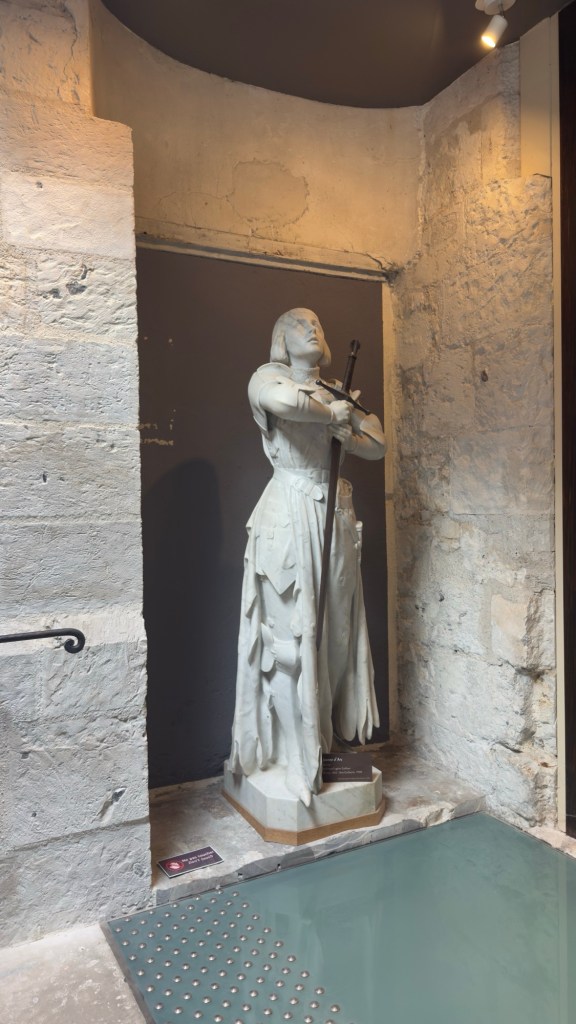
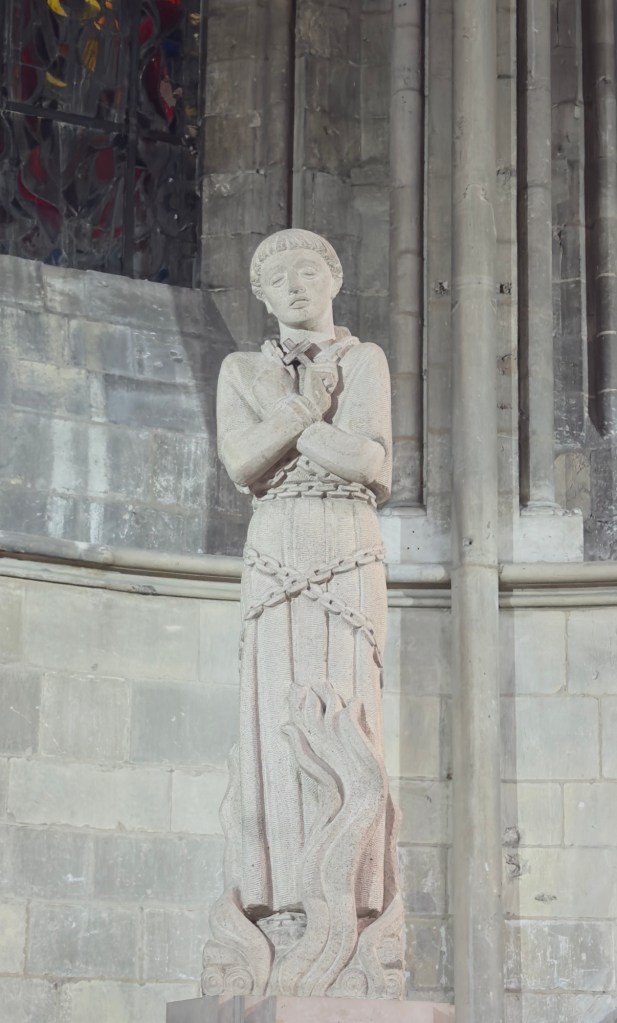
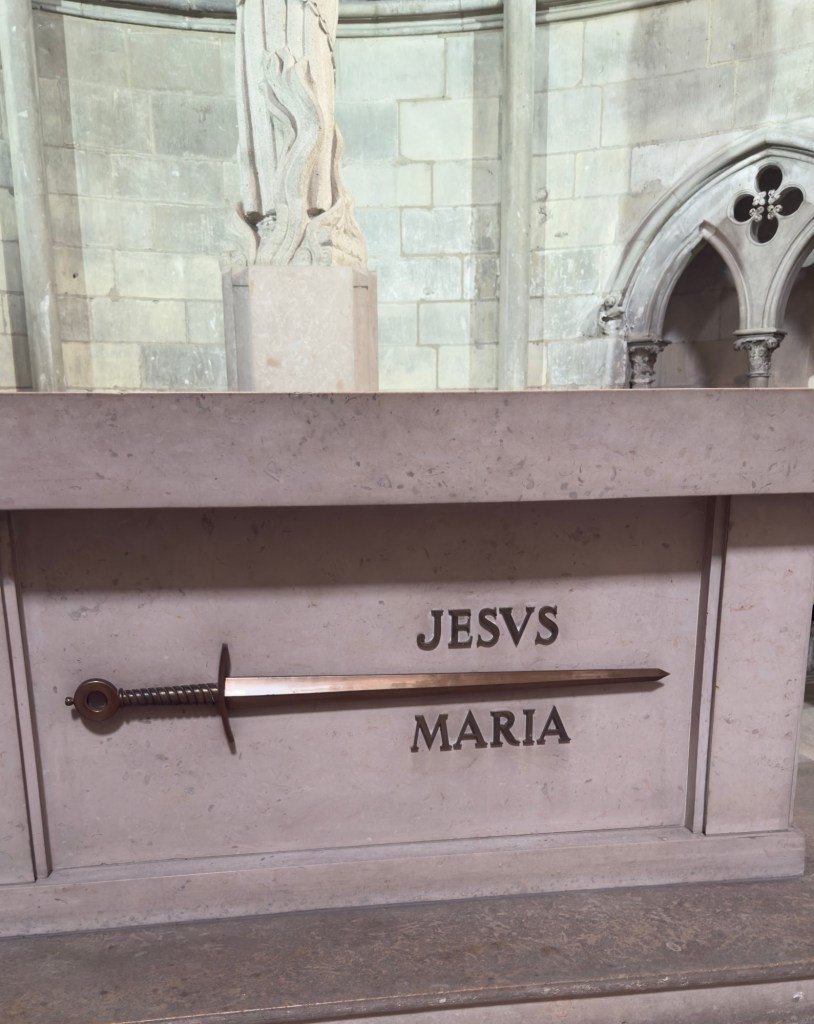
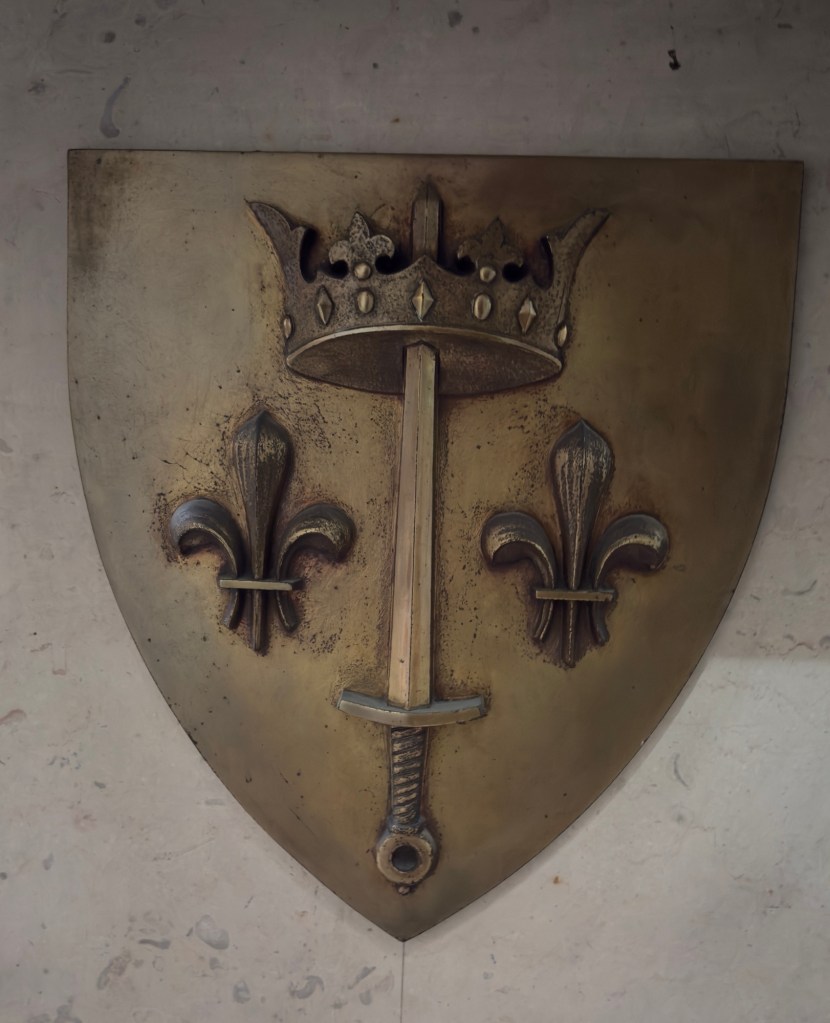
The Joan of Arc side chapel…
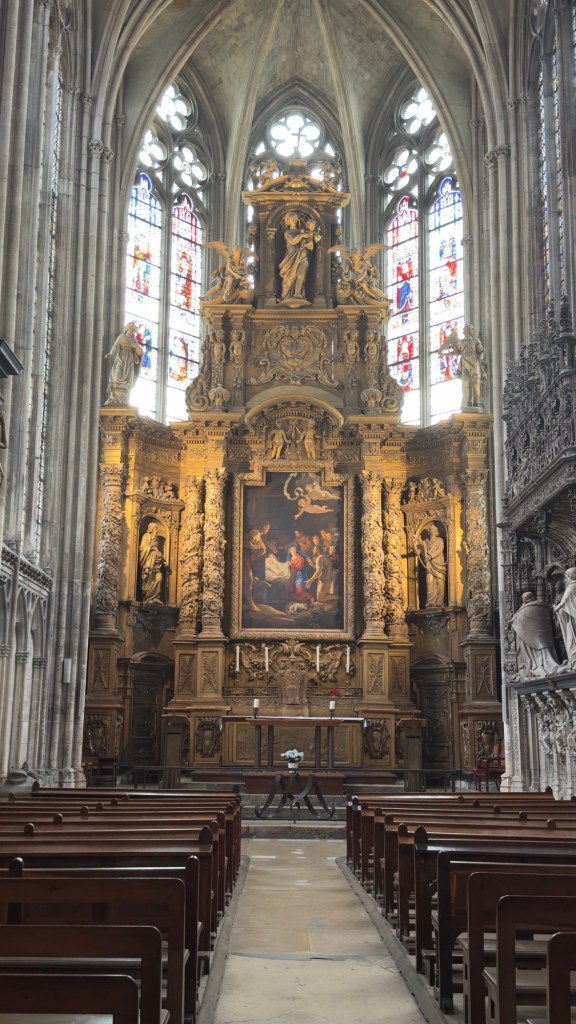
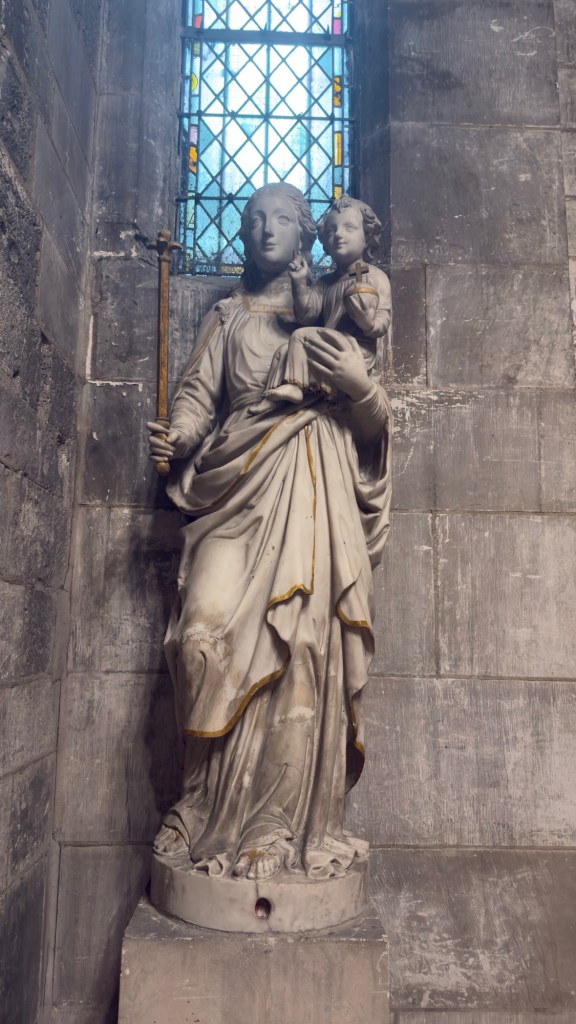
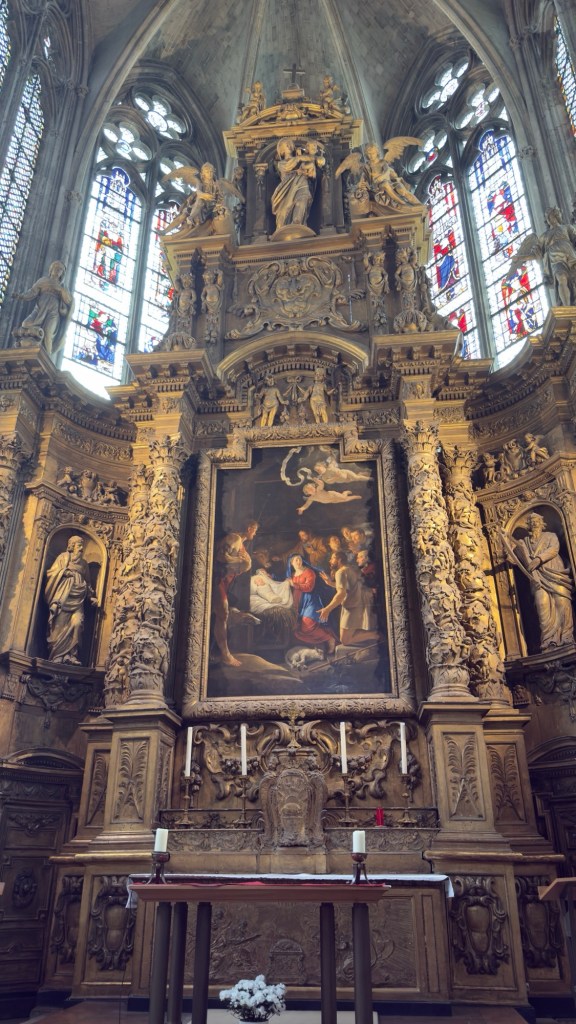
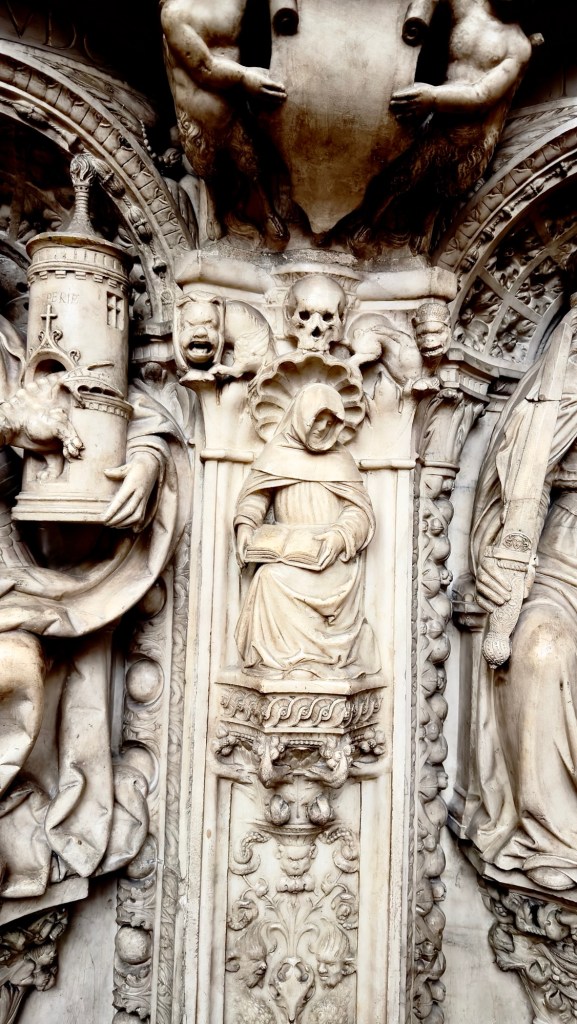
Chapelle de la Vierge (Chapel of the Virgin)…
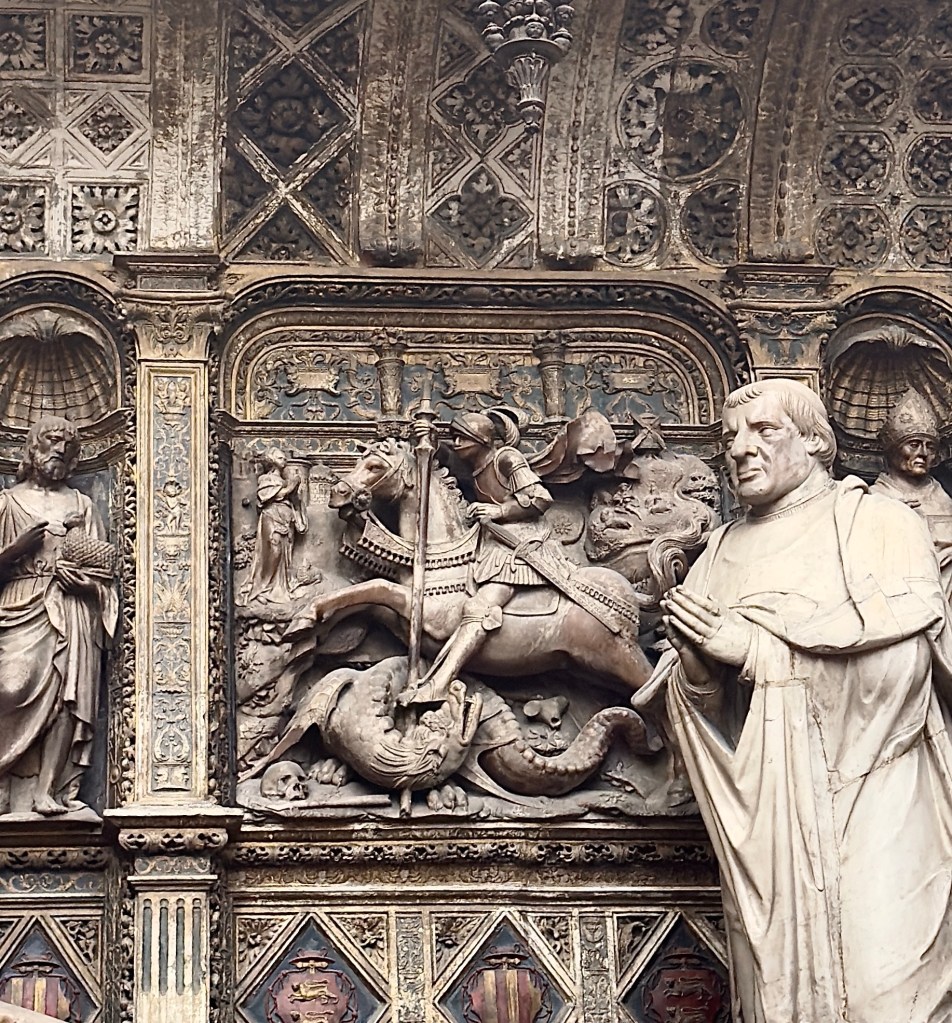
St. George… “Kill the dragon!!”
And I haven’t forgotten…
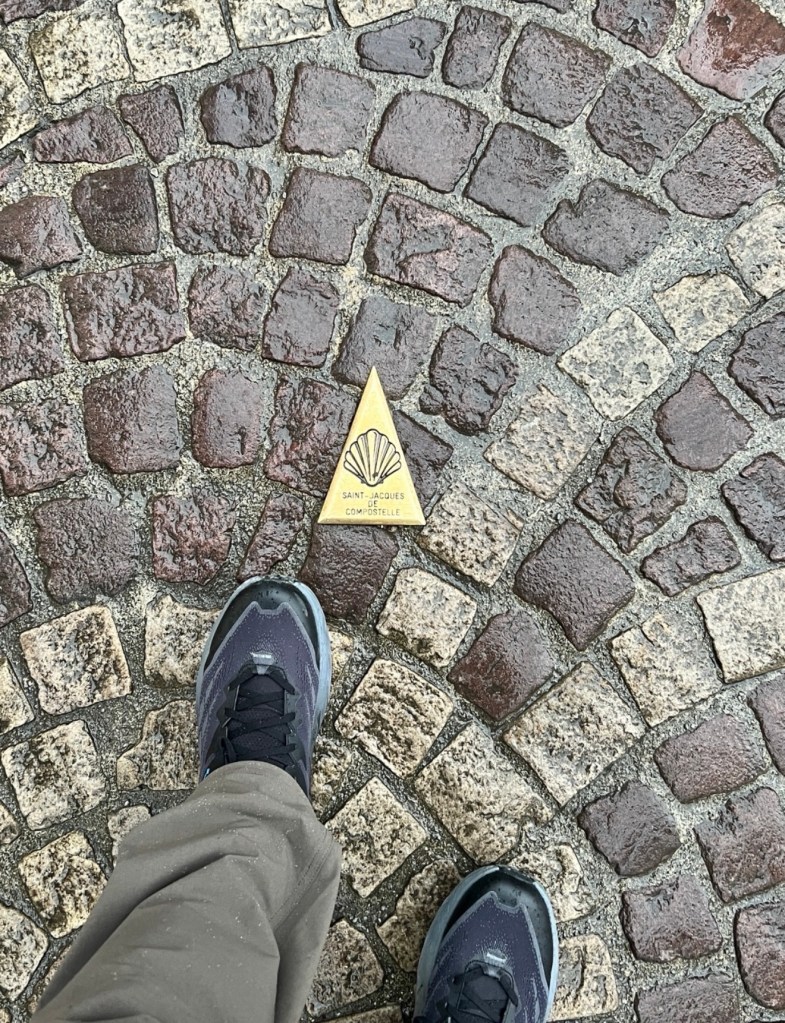
Some of you may remember this photo…
It was taken in St-Jean-Pied-de-Port, France, the starting point of the Camino de Santiago in 2024. Well, today, as I was walking along, I came across this…
The Camino is not done with me. It keeps calling in the most remarkable ways. Just wait until this October! I’m still blown away by this development, but that’s later. For now… Yeah… “Buen Camino!” Mine continues! God is good.
My day and my life. It was and is a good one. Tomorrow, is another travel day. Back to Luxembourg. There are some places I want to see and I’m planning on a couple of “vacation” days where I look out the window of my hotel room, read my book, sip some wine, and not worry about the world too much.
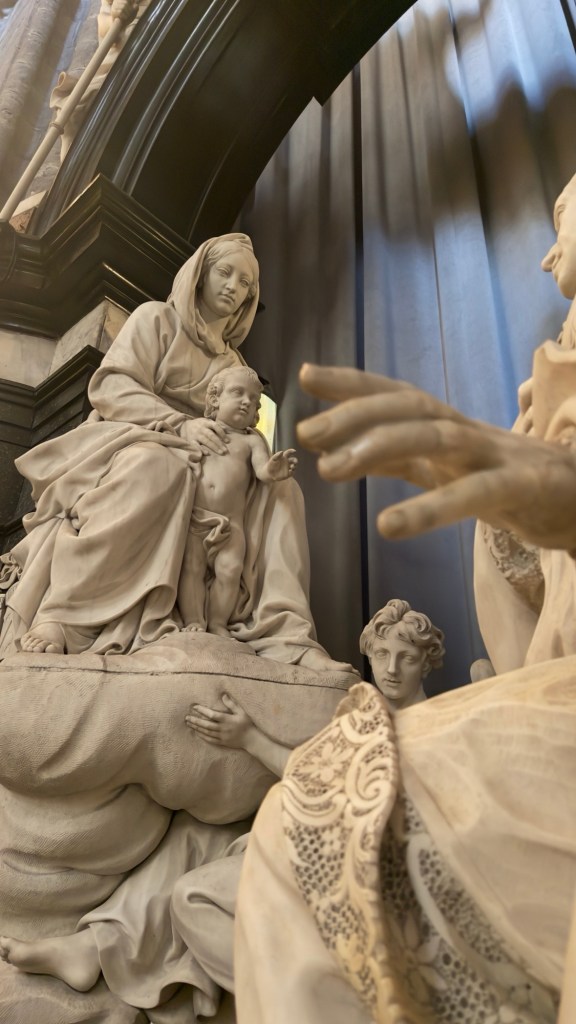
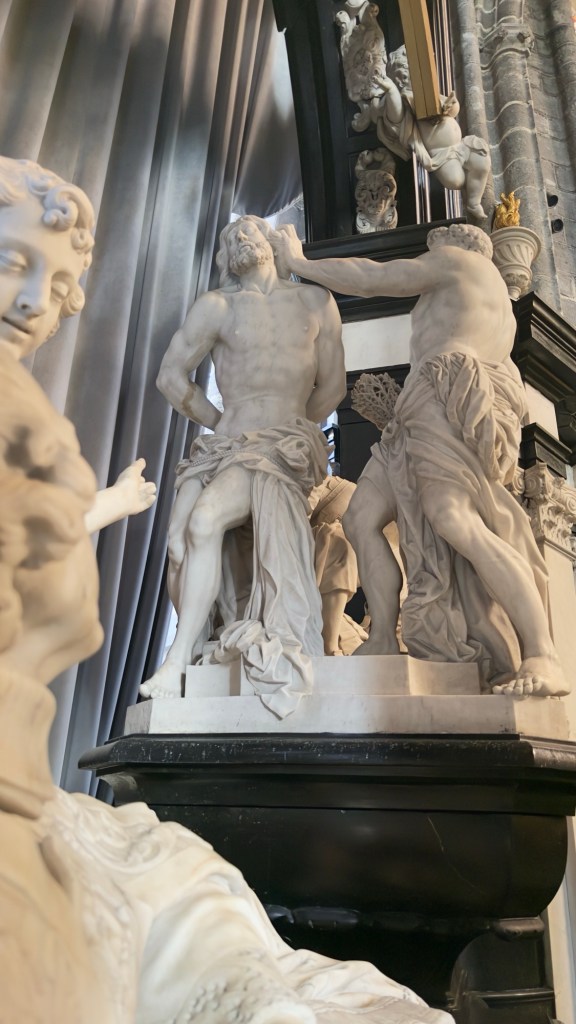
I’ll be honest, there are only so many landscapes and portraits that will remain interesting to me, and this place had its share, but there are several pieces of religious art (of course!) that got my attention. The pictures may be at weird angles or I’m only showing detail shots because the lighting in the museum was odd and there was a lot of glare.
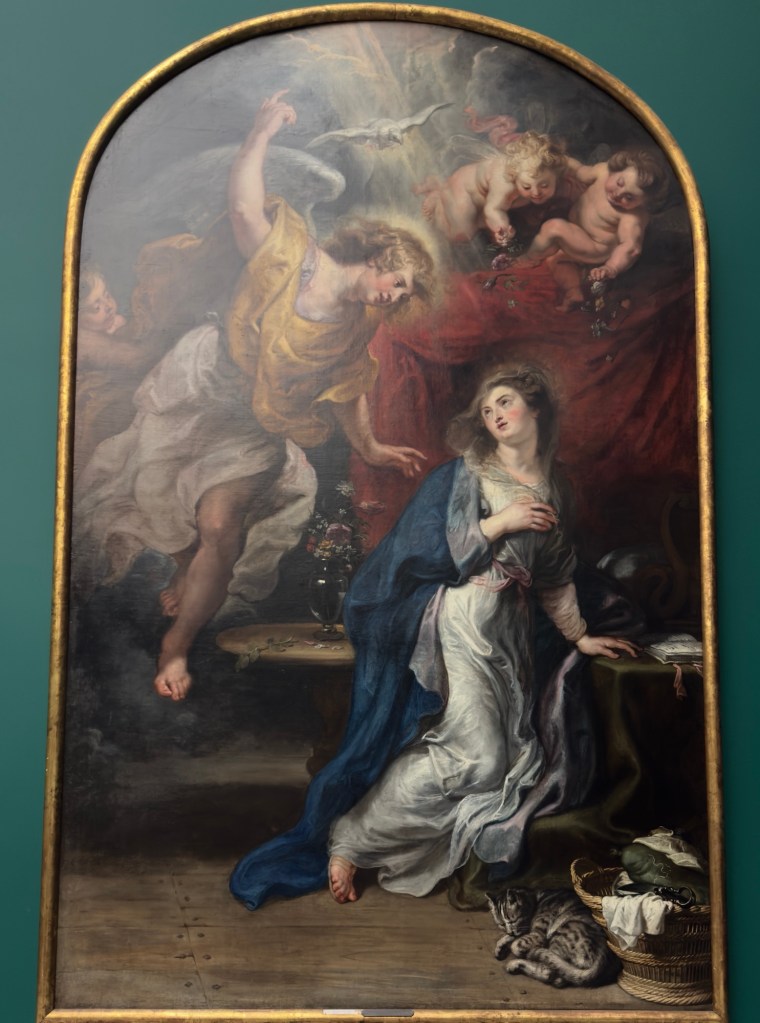
First up is The Annunciation by Peter Paul Rubens.
Rubens’ work emphasises both the sacred and secular nature of the event. Gabriel is accompanied by a ray of divine light and two plump putti, the latter of whom shower Mary with petals. Mary receives the message in a domestic interior. The vase of flowers on the table, the sewing basket and the sleeping cat all enhance the intimate atmosphere. Rubens began this canvas in 1610. That he did not complete it until much later has been deduced from certain stylistic details such as the use of light and space and the overall dynamism of the scane. Rubens sold the painting to the Marquis of Leganés during a diplomatic visit to the spanish court in Madrid in 1628. The latter gave it a place in his private chapel.
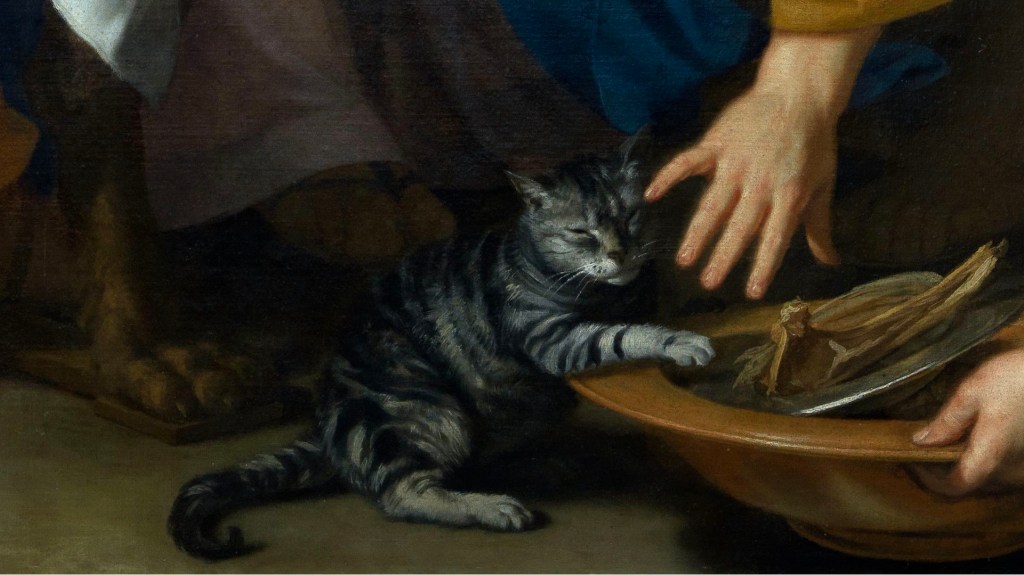
Honestly, I think the cat wanders from one painting to the next, as I saw it again in The Supper at Emmaus by Jean-Baptiste de Champaigne.
There’s actually an interesting history of cats in art. Definitely worth a bit more research.
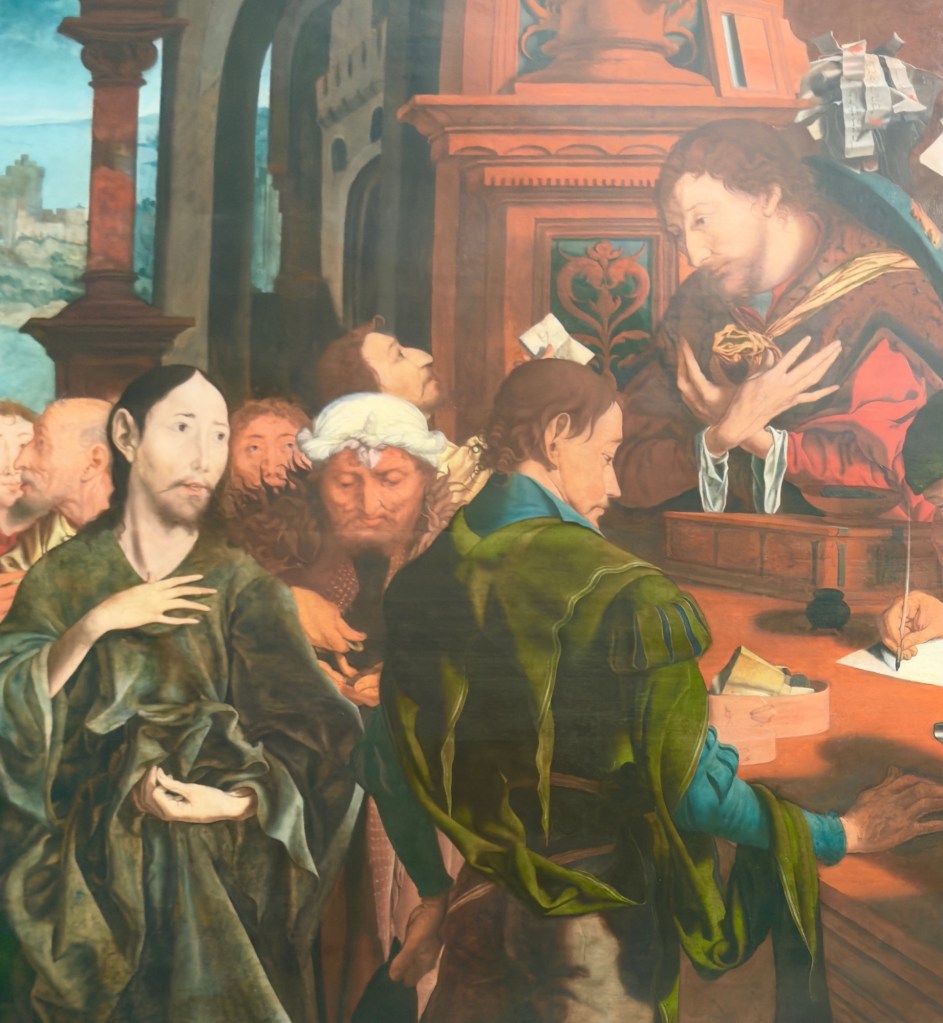
Next up is The Calling of St. Matthew by Marinus van Reymerswale. I’m quite certain you know why this one was selected. (Hint: I serve as priest at St. Matthew’s Episcopal Church.) It is clear from the painting, even with all the hustle and bustle going on around him, Matthew only has eyes for Jesus.
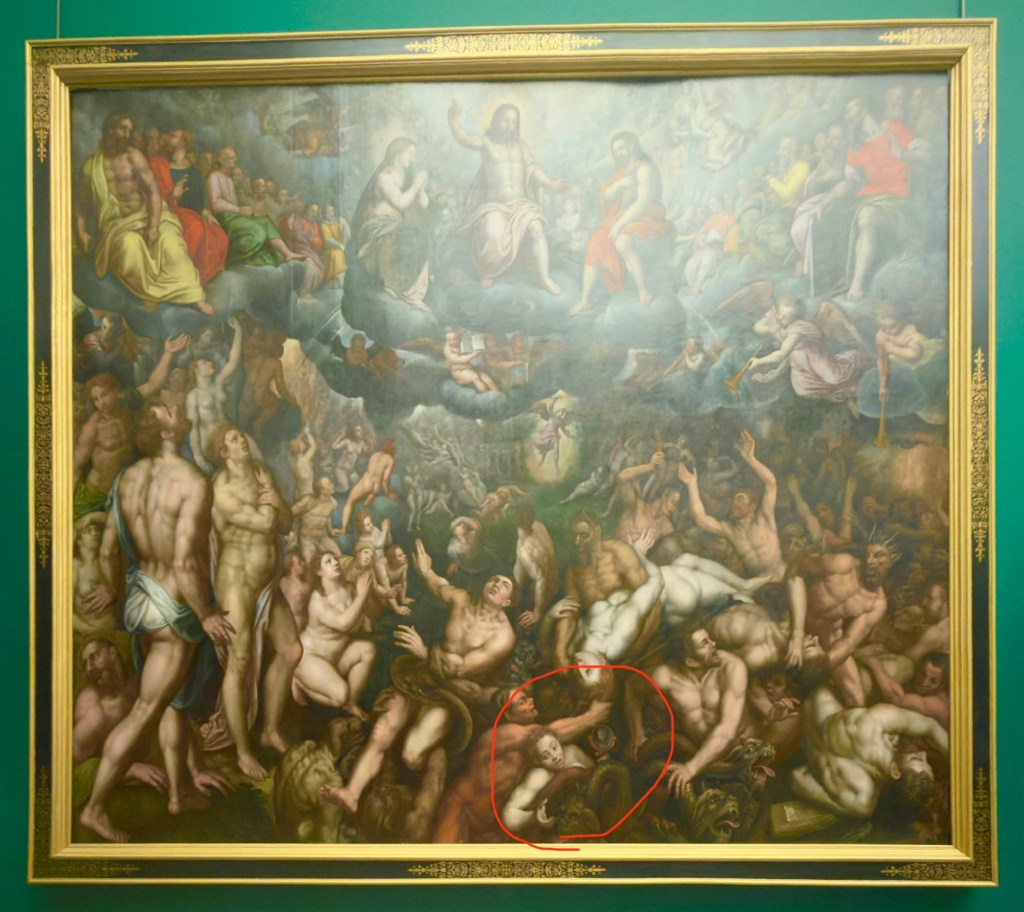
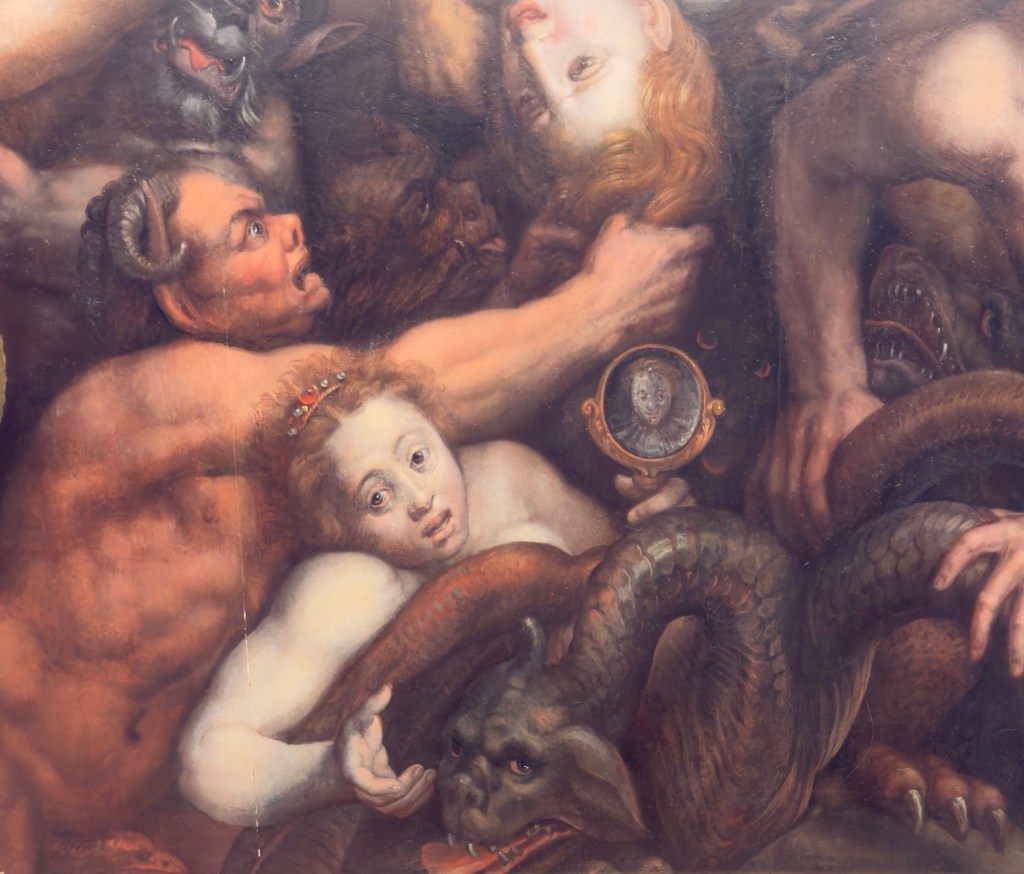
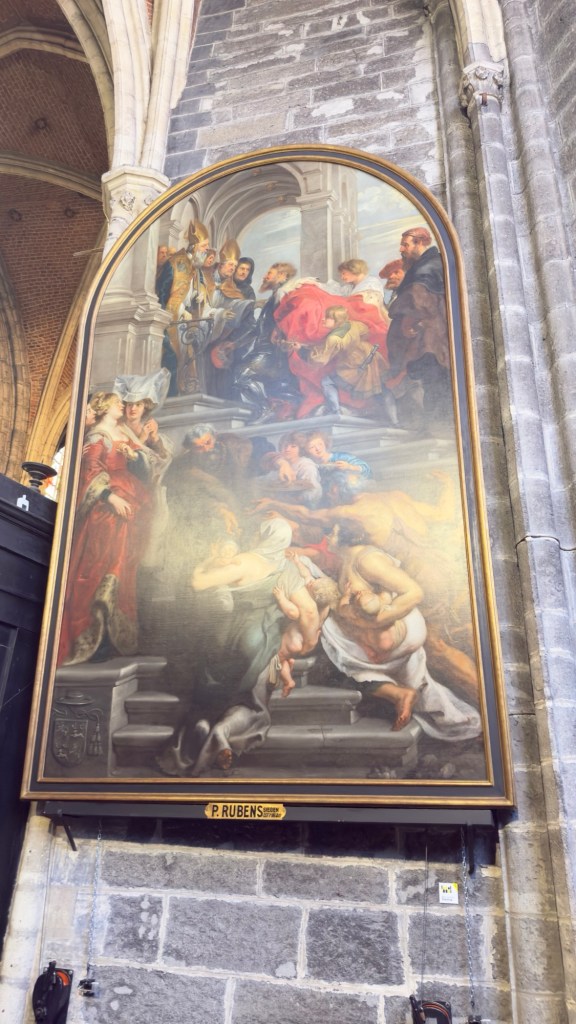
Next was a very large Last Judgment scene by Raphaël Coxcie, reminiscent of and compared to the Michelangelo in the Sistine Chapel (not a favorable comparison). It caught my eye because of the subject, but then there was this one little detail that got me to sit down and think. I’ve circled it below.
Perhaps the closeup will show my interest…
The painting was originally placed in the courtroom at the town hall in Ghent (apparently, many courtrooms held similar paintings of the Last Judgment as a reminder to the punishments in store for a life of crime—should we post more of these?) Question: Is the woman holding up a small mirror? The image in the mirror isn’t clear, so it could be anyone. Was Coxcie asking, “Do you see yourself? Will you end up here with us?” I stopped to consider that and prayed that I would be one of those on the left side of the canvas being called up to Paradise. Not related at all—for the Stephen King fans out there—doesn’t the image in the mirror look like Pennywise? I suppose they’ll float down there for sure!
Shut up, John, and show us some more pictures. Okay.
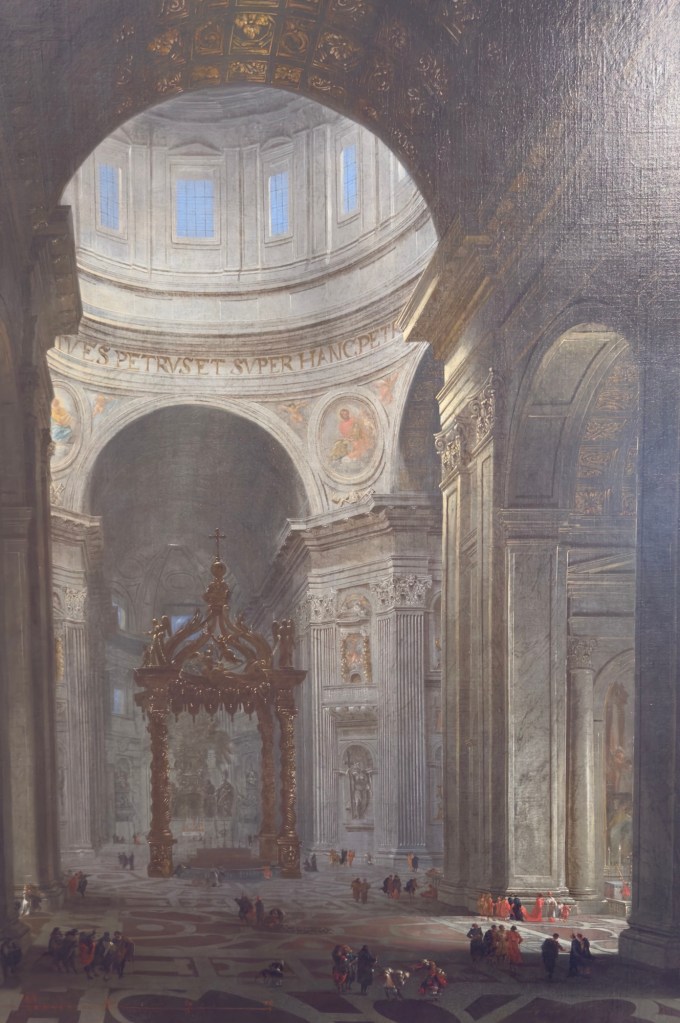
Detail photo of Interior of St. Peter’s Church in Rome by Wilhelm Schubert van Ehrenberg:
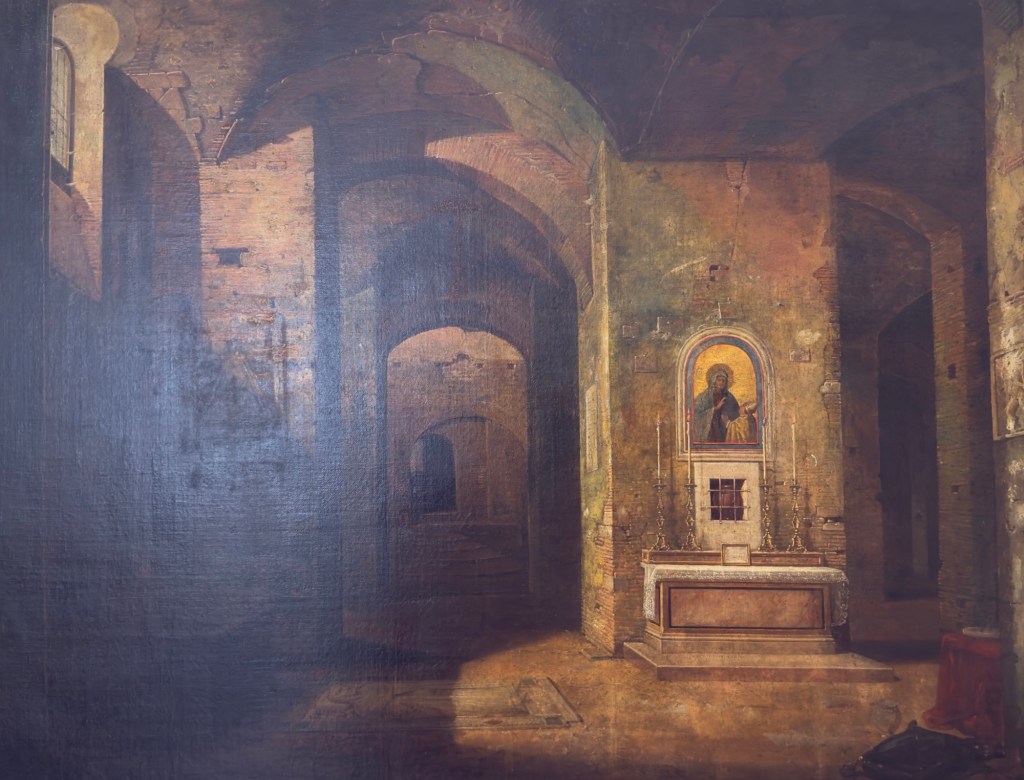
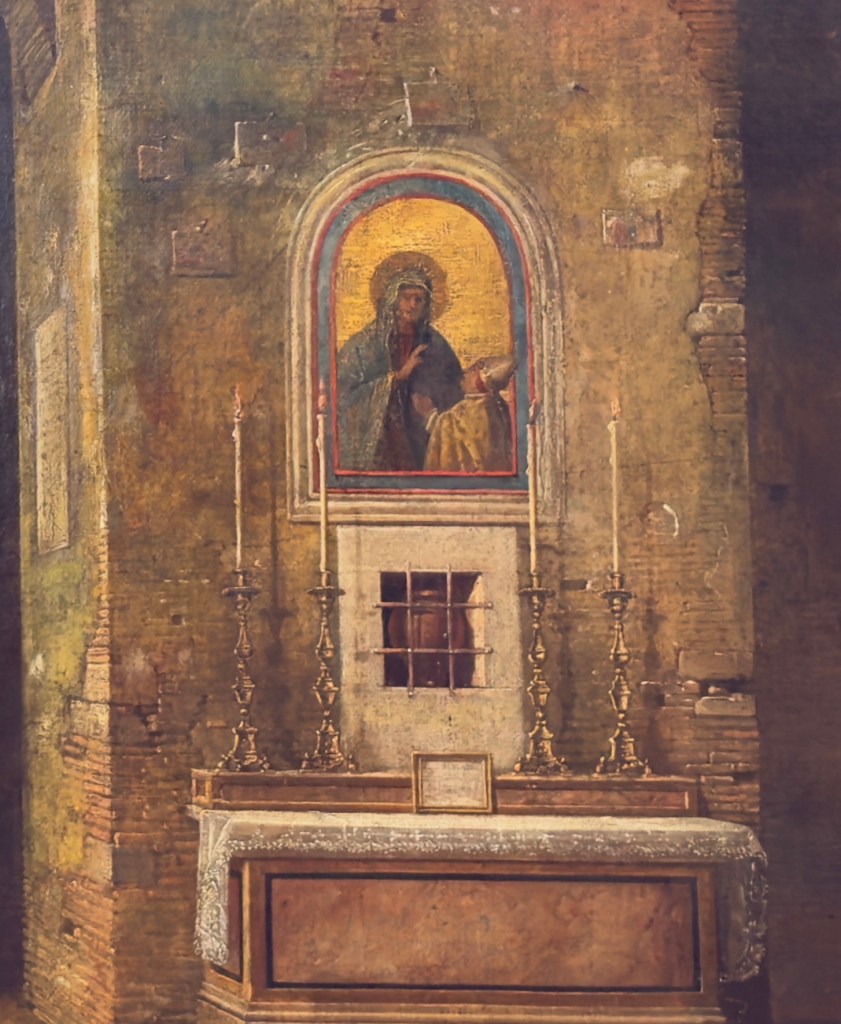
Detail of The Crypt of the San Martino ai Monti Basilica in Rome by François-Marius Granet:
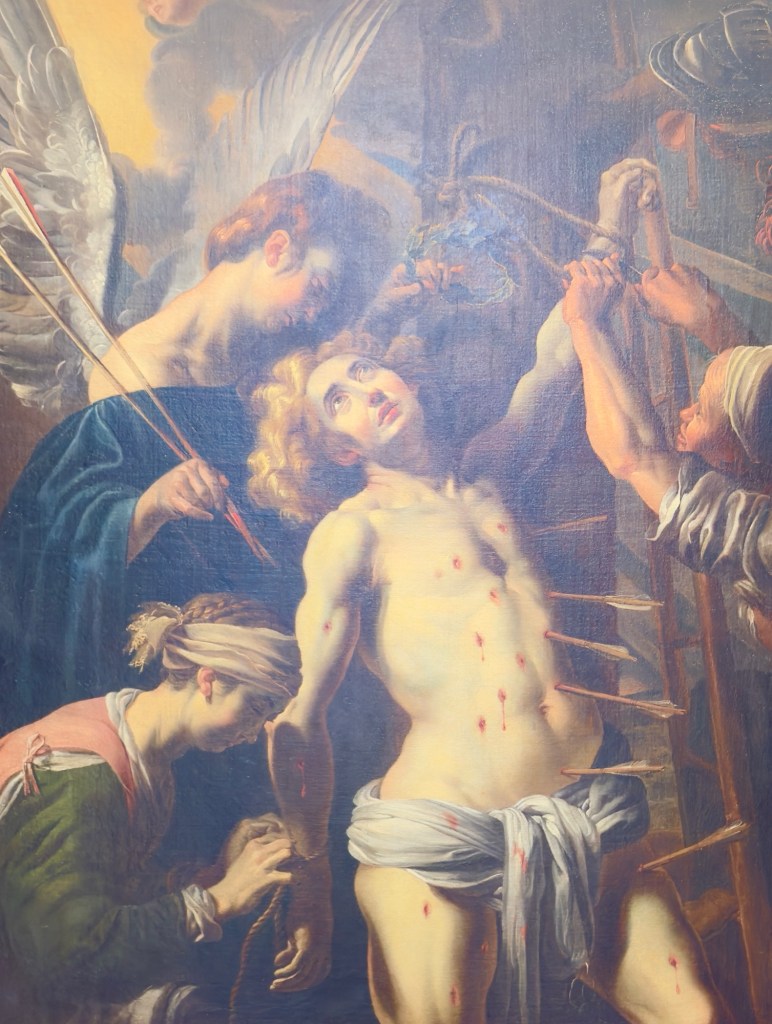
Saint Sebastian released by the Roman widow Irene and her servant by Melchior de la Mars:
Interesting Saint fact: Although most frequently depicted as being shot by arrows, St. Sebastian survived this initial attempt at martyrdom. He was nursed back to health by Irene, but later would be clubbed to death under the orders of Emperor Diocletian (not a very nice guy.)
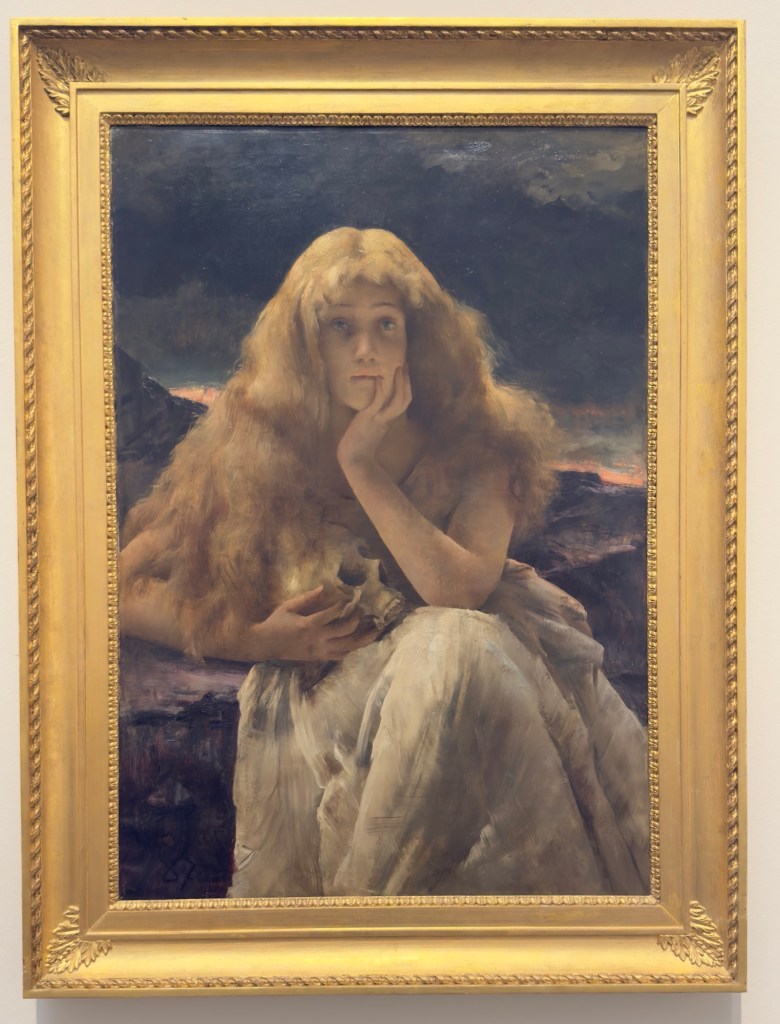
Finally, my favorite in the museum: Mary Magdalene by Alfred Stevens:
Early in her career, star actress Sarah Bernhardt meets the Belgian painter Alfred Stevens. As the painter par excellence of Parisian high society, he introduces Bernhardt to painting. It is the beginning of a close friendship. She takes lessons in his painting class for women and models for several portraits. Stevens may also have been inspired by Bernhardt’s captivating gaze for this painting of Mary Magdalene. The skull and the desolate landscape in the background reflect the theme of the converted sinner who withdraws from public life, becoming a hermit. Typical of Stevens’ approach is the sensuality and melancholic gaze with which Mary Magdalene looks at the viewer. This obscures the religious meaning of the remorseful penitent, which shocked the general public at the time.
You be the judge: a young Sarah Bernhardt. She was Jewish, but early in her life, she wanted to become a nun.
On my way back to the hotel, I saw where the Good Lord was creating His own art. Spring is springing in Belgium
Tomorrow is a travel day. I’m off to Rouen, France to see Joan of Arc. If you ever decide to travel to Ghent, I highly recommend picking up a CityCard Ghent (available at many places). You can get a 48- or 72-hour card. At first, the price seems high, but I got my money’s worth yesterday. It covers all public transportation, museums, water taxis, and many other places, if not completely, a large percentage. For example, I paid €49 for a 48 hour card. I took 12 bus rides yesterday. At €3/ride… yeah. Plus, all you have to do is show it to the driver and you’re good to go.
I’ll probably have a few travel pictures tomorrow, but will definitely see you in Rouen!
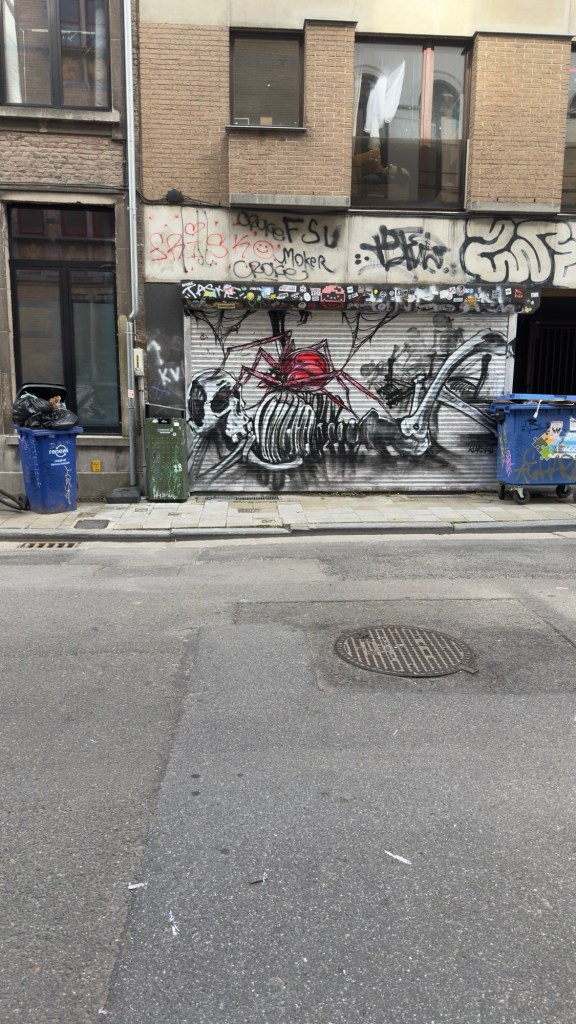
What a day and what a long one. Tonight, I want to get some pictures out, but there won’t be as much commentary… or we’ll see what happens. I did a lot of walking, and I saw so many amazing things, so let’s take a look. Warning: this is essentially an unedited photo dump.
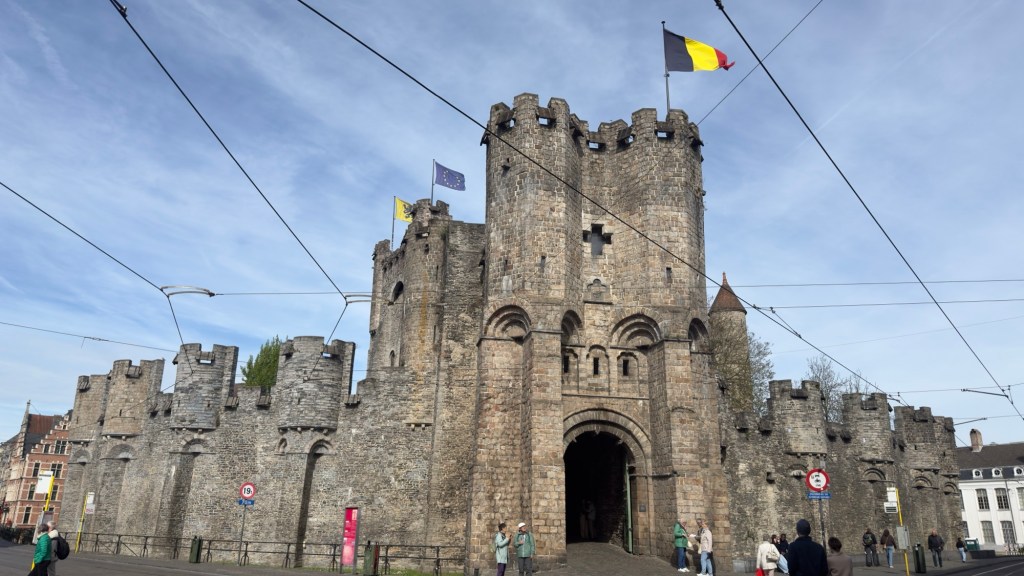
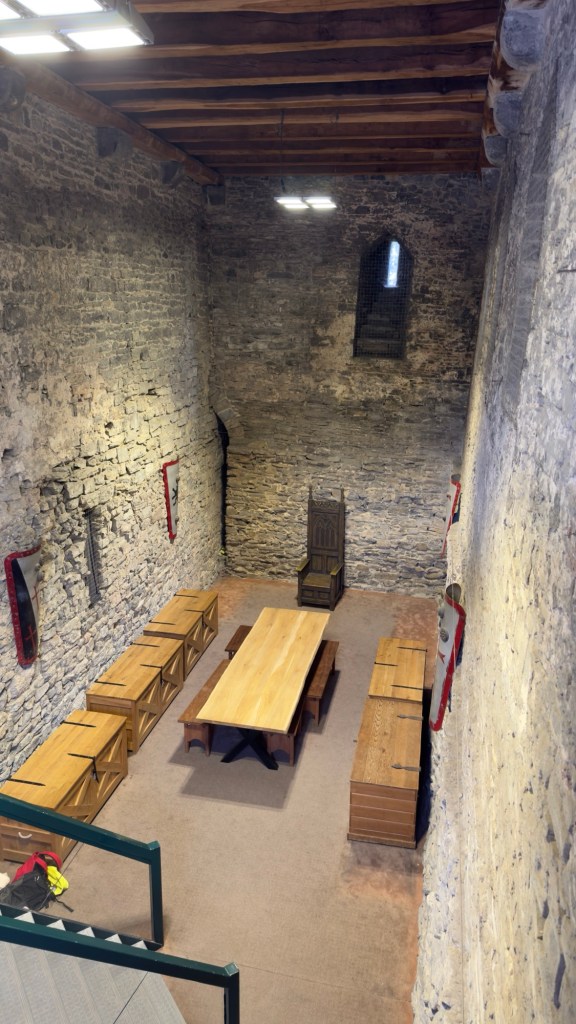
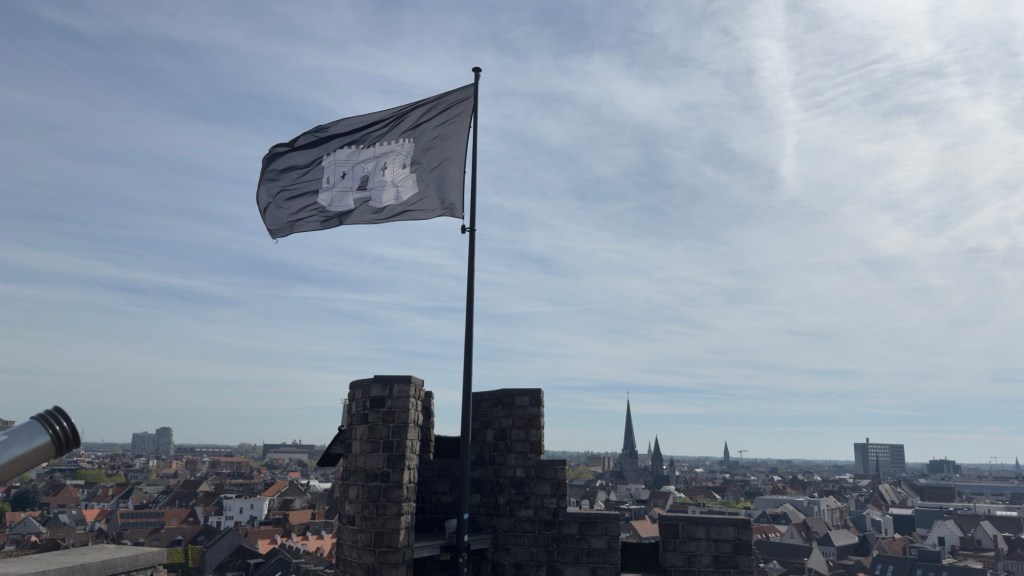
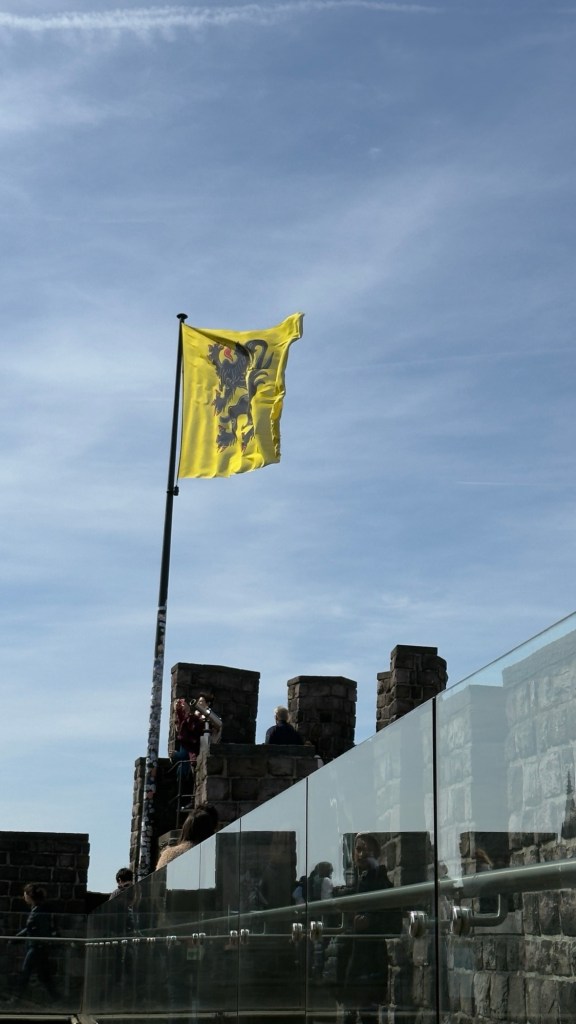
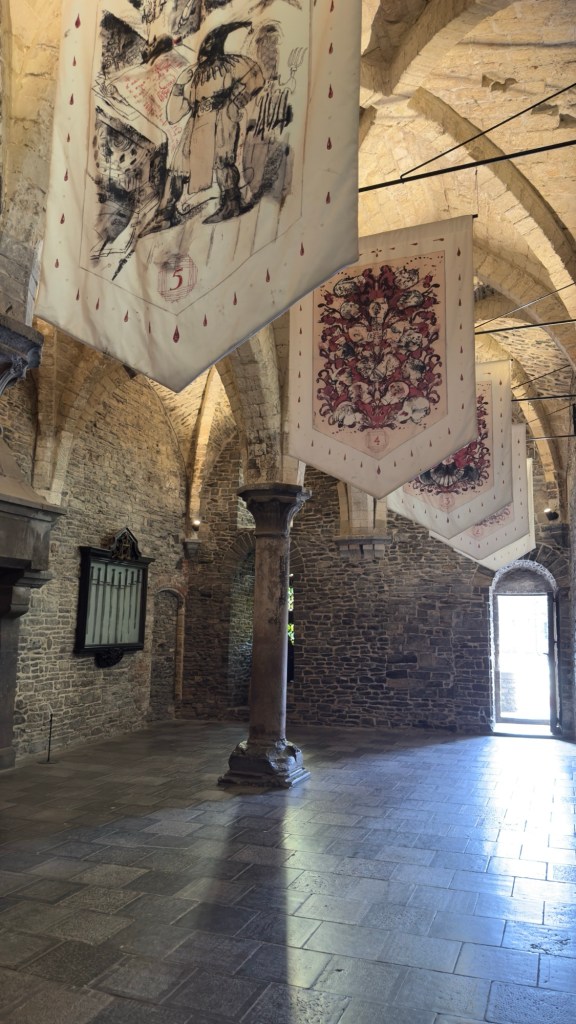
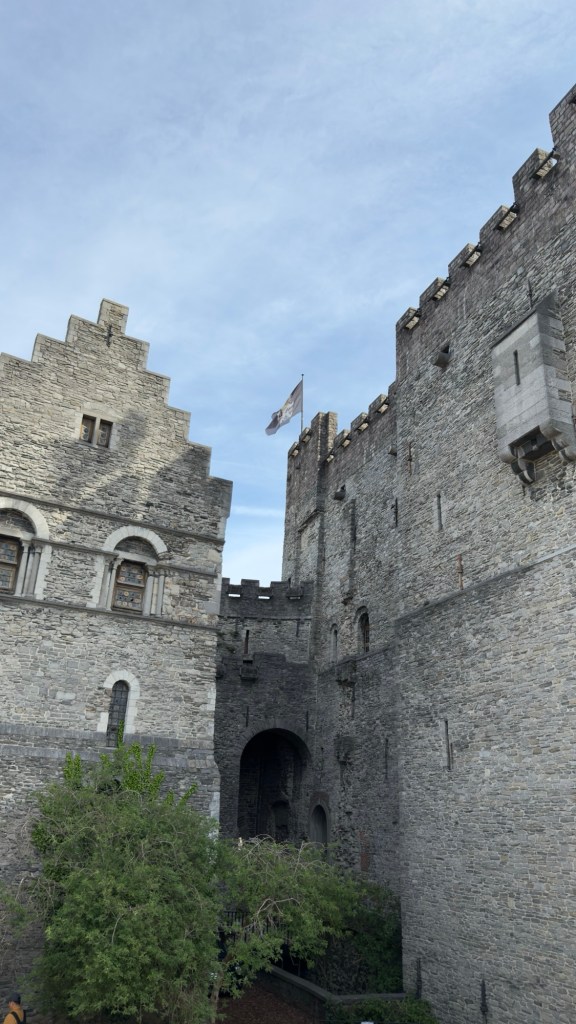
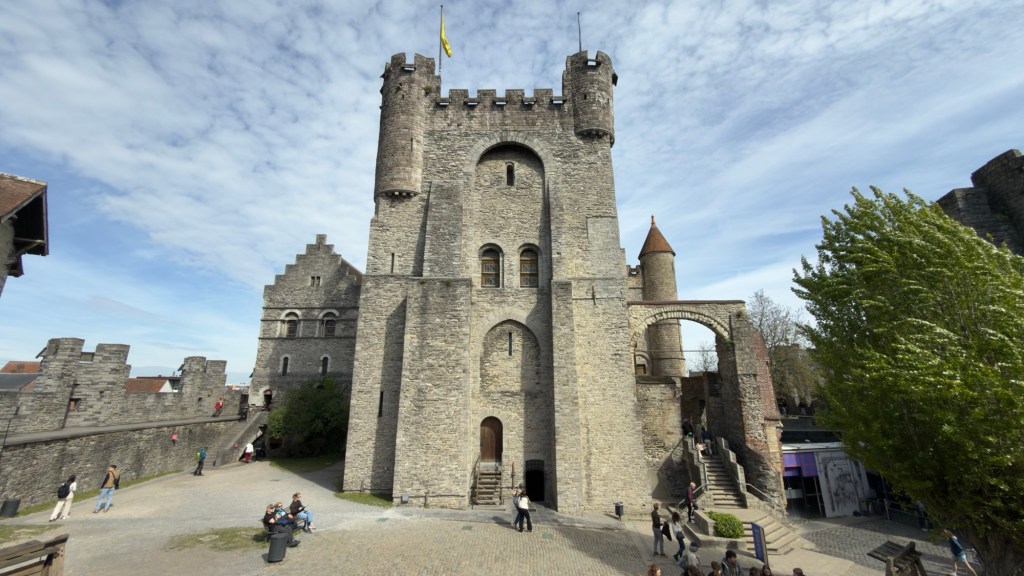
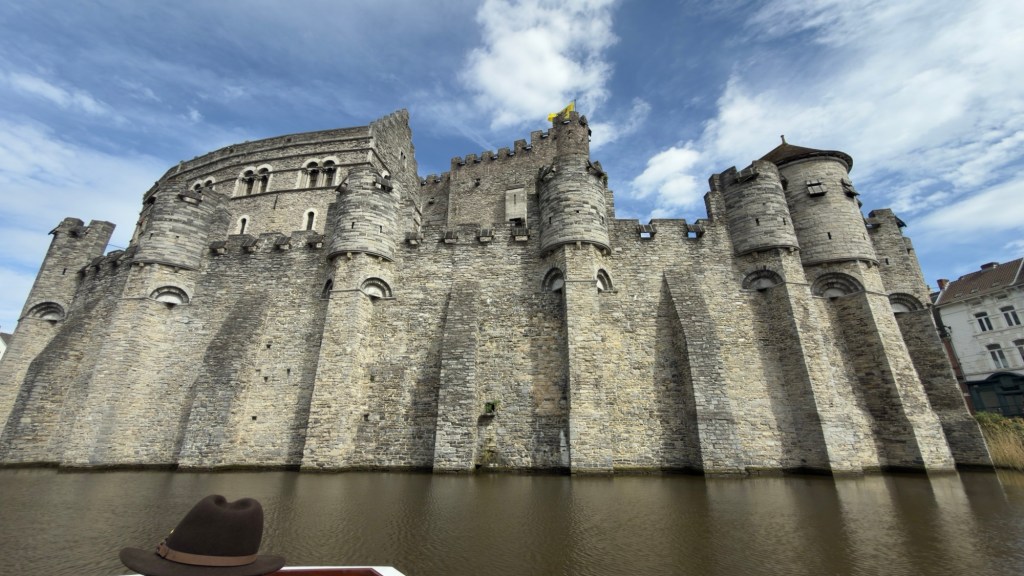
I sort of learned how to navigate the public transportation in Japan, so I didn’t feel too intimidated here. I jumped on and after a 30 minute bus ride with one transfer, I easily made my way to the old city and Gravensteen Castle. It dates from 1180 and the current restoration took place between 1893 and 1903. There are multiple spiral staircases, but I managed without too much huffing and puffing.
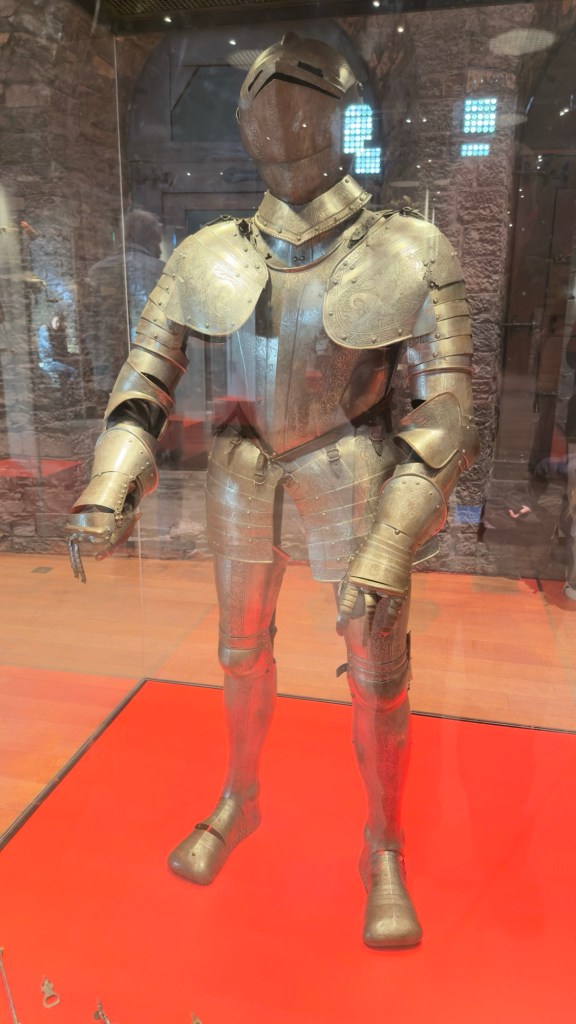
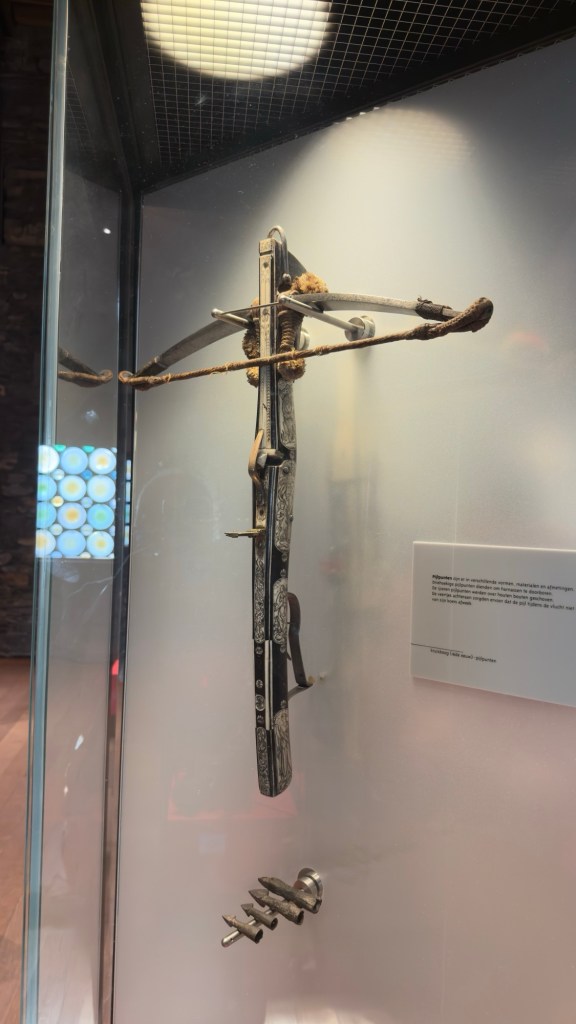
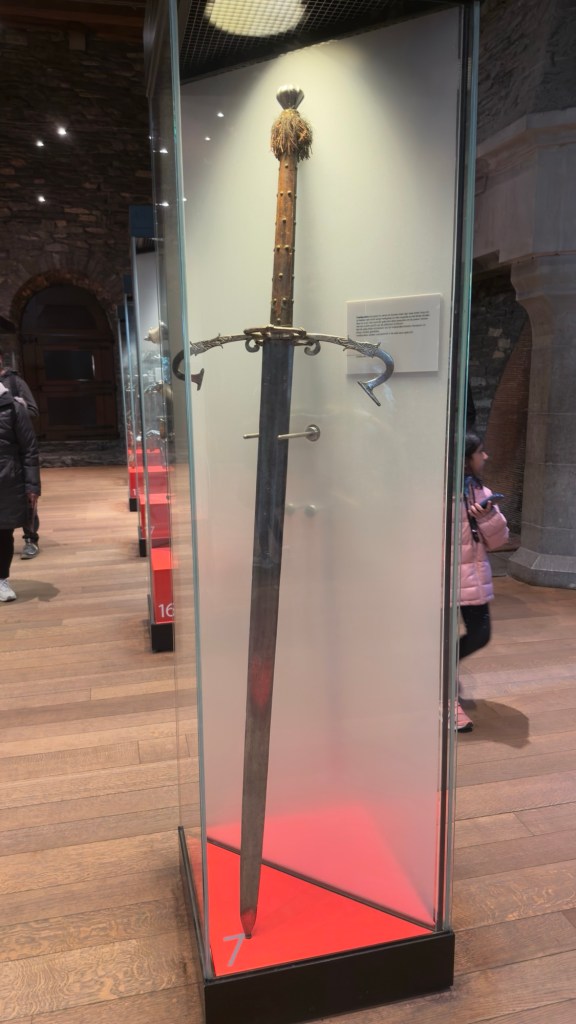
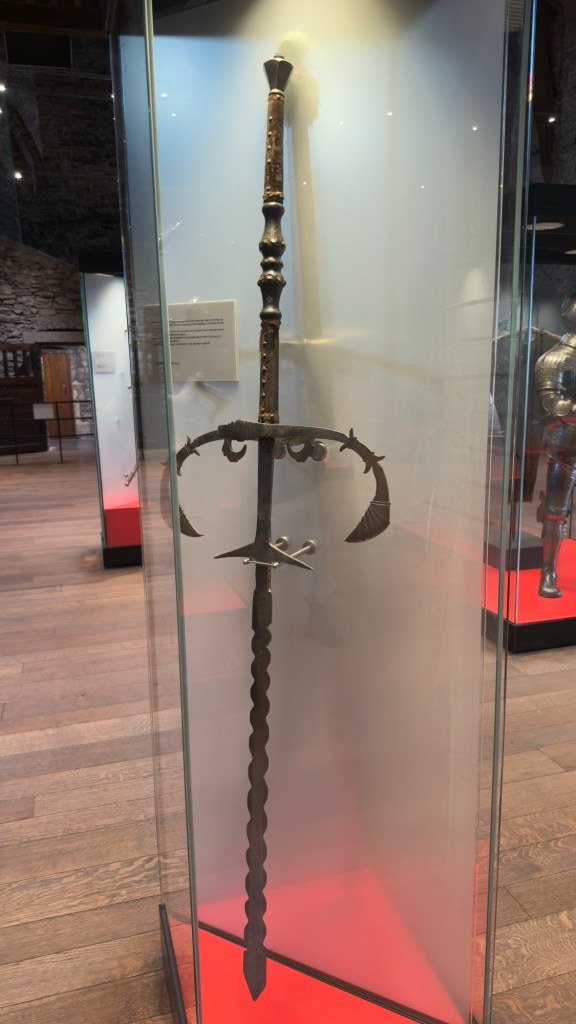
If you need a bit of medieval armory, they have some very interesting pieces. The one sword is about six feet long. Good luck swinging that!
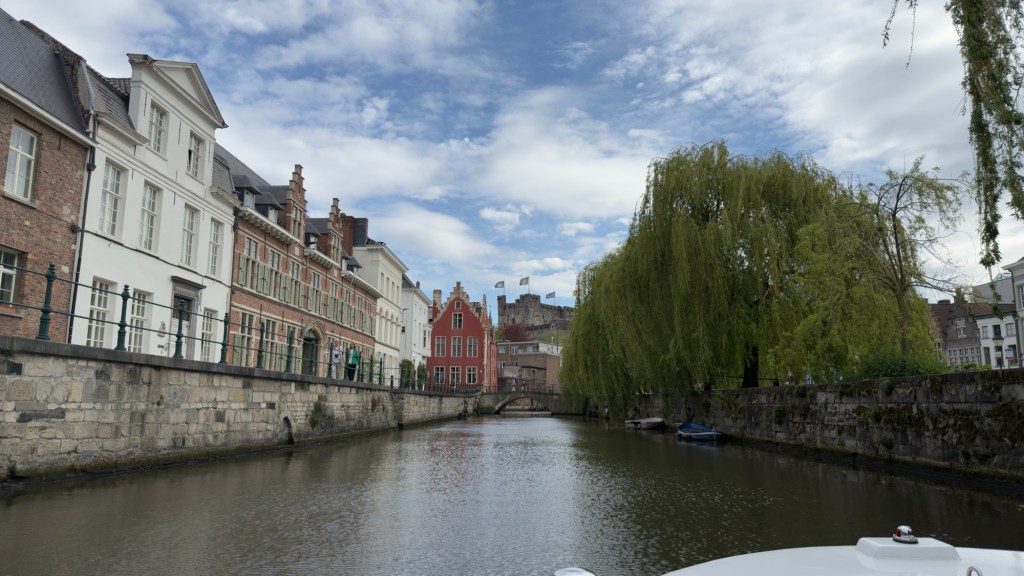
Later in the day, I took a scenic boat tour. This is the view of the castle from the boat:
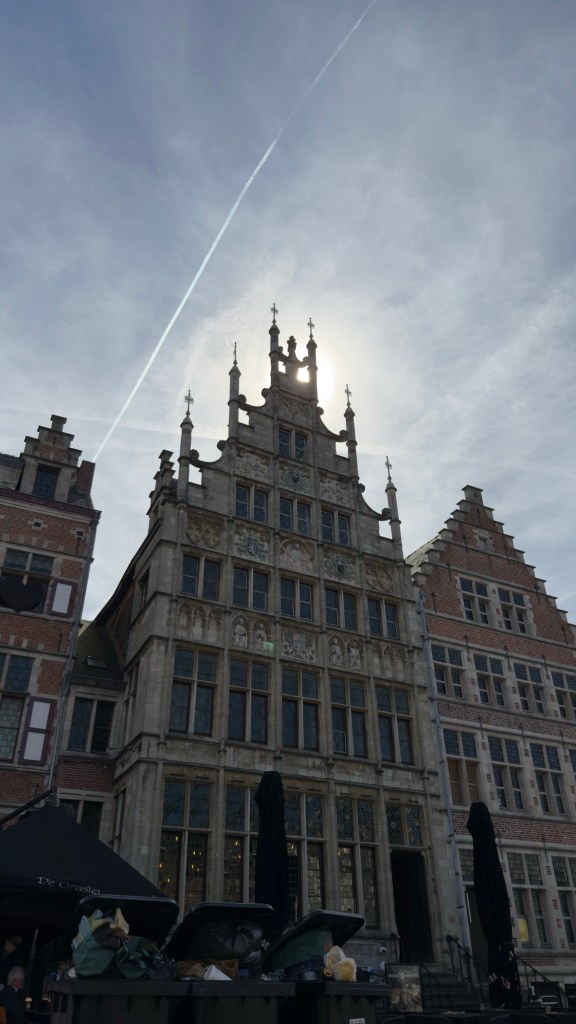
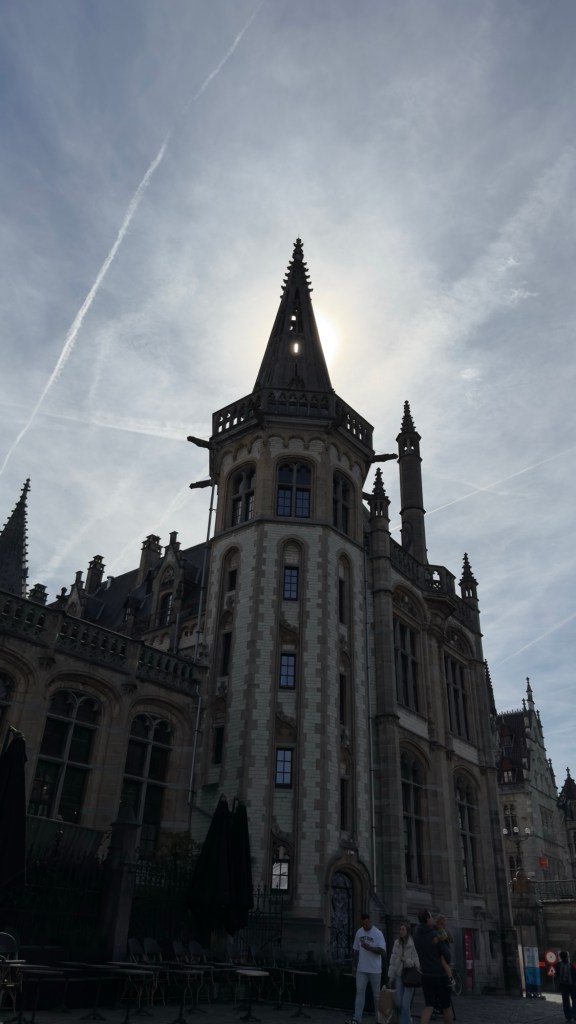
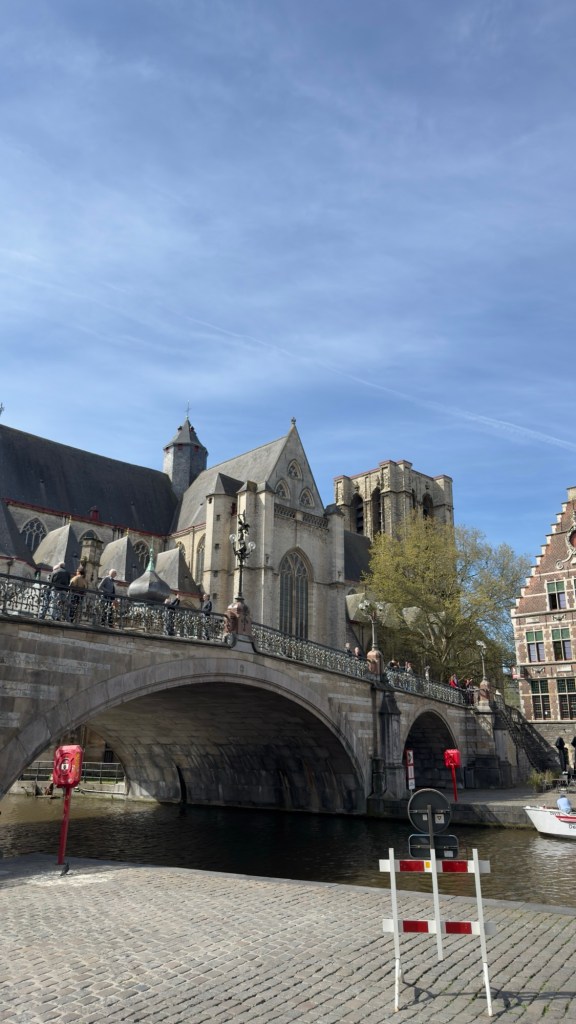
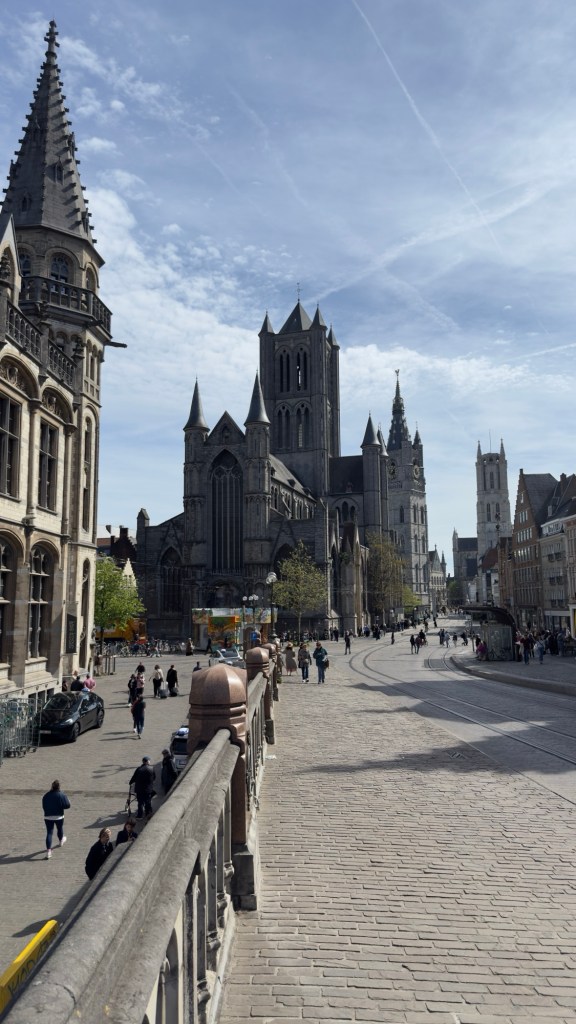
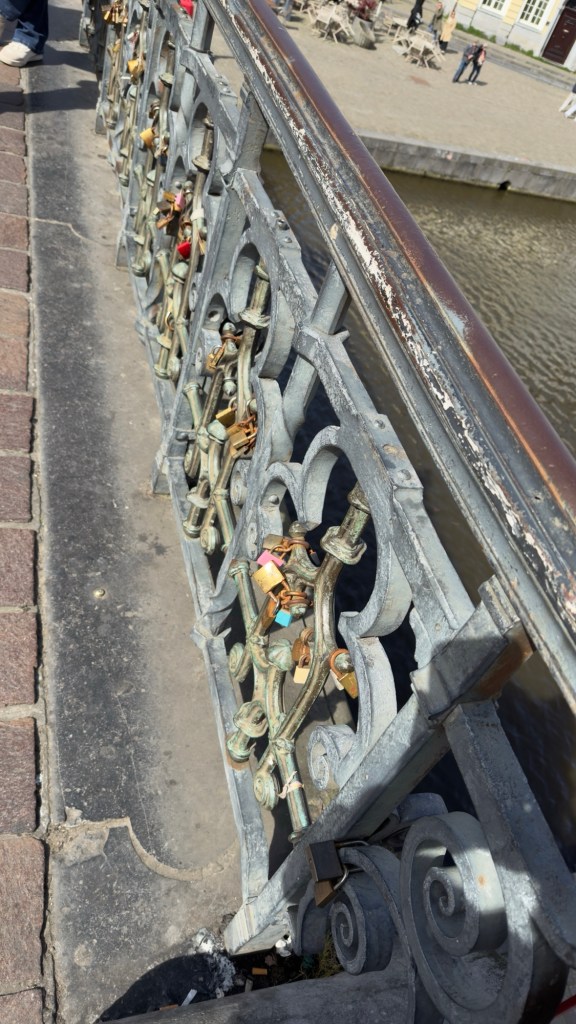
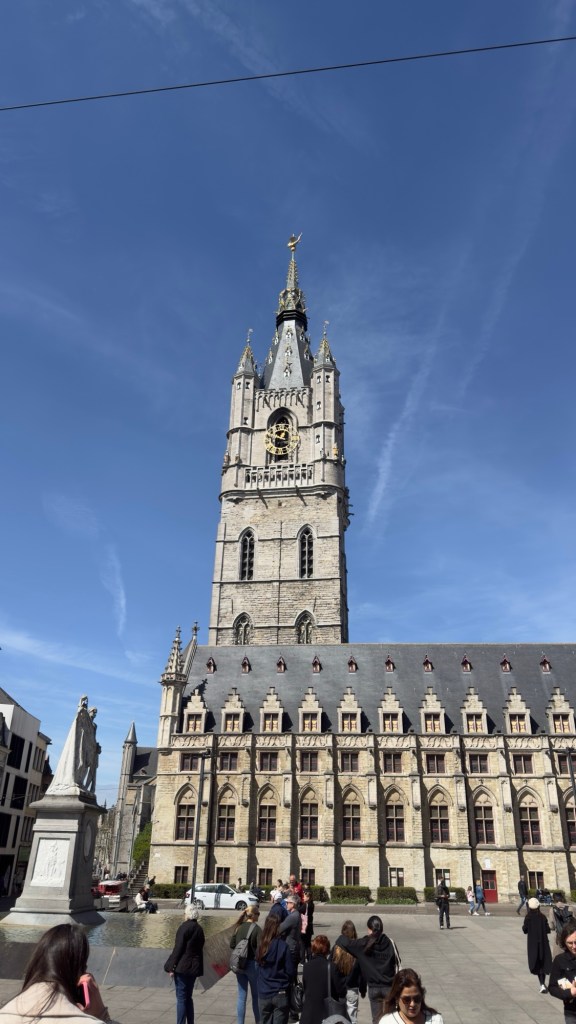
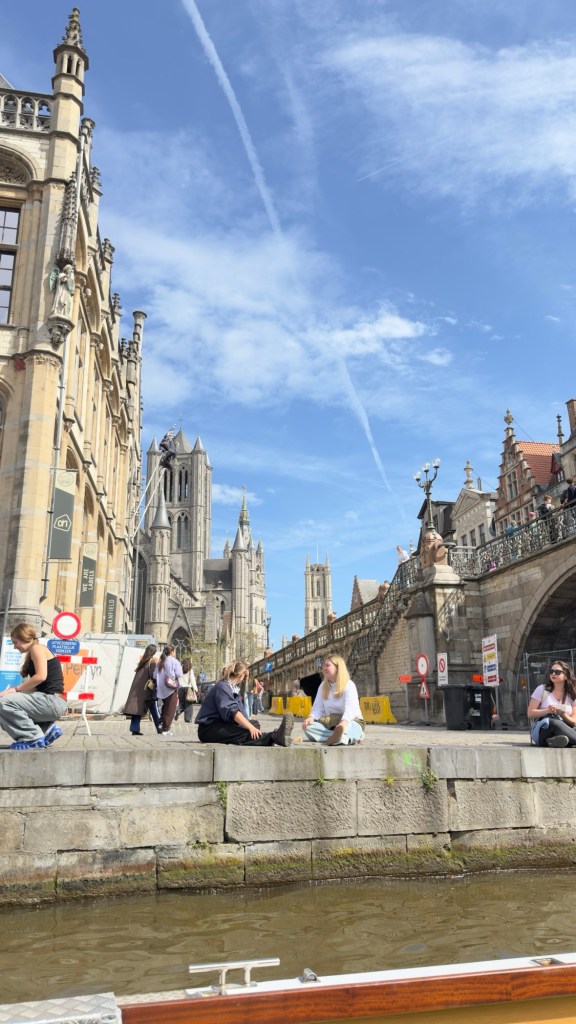
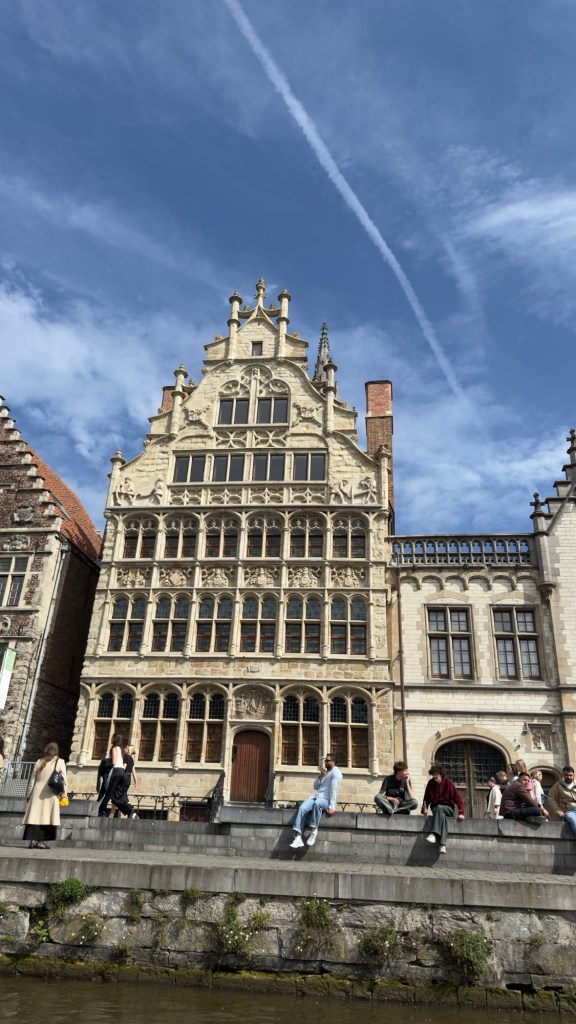
Then I walked and enjoyed some of the sights of the old city:
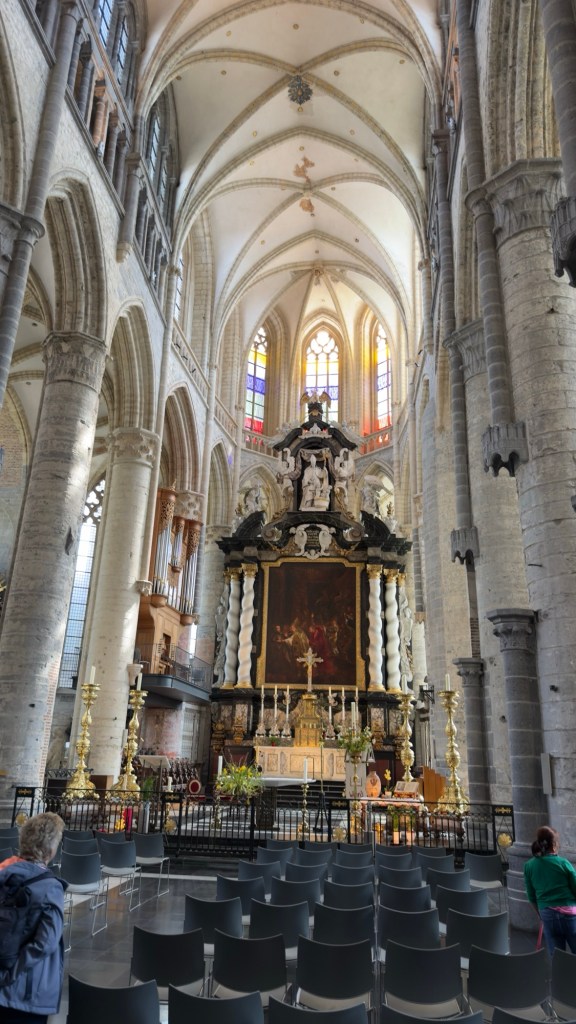
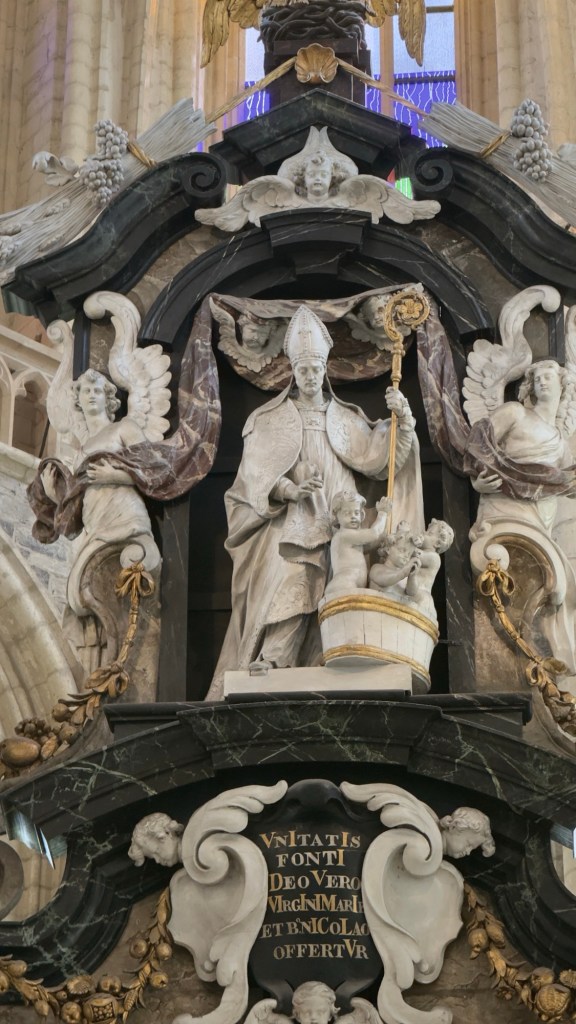
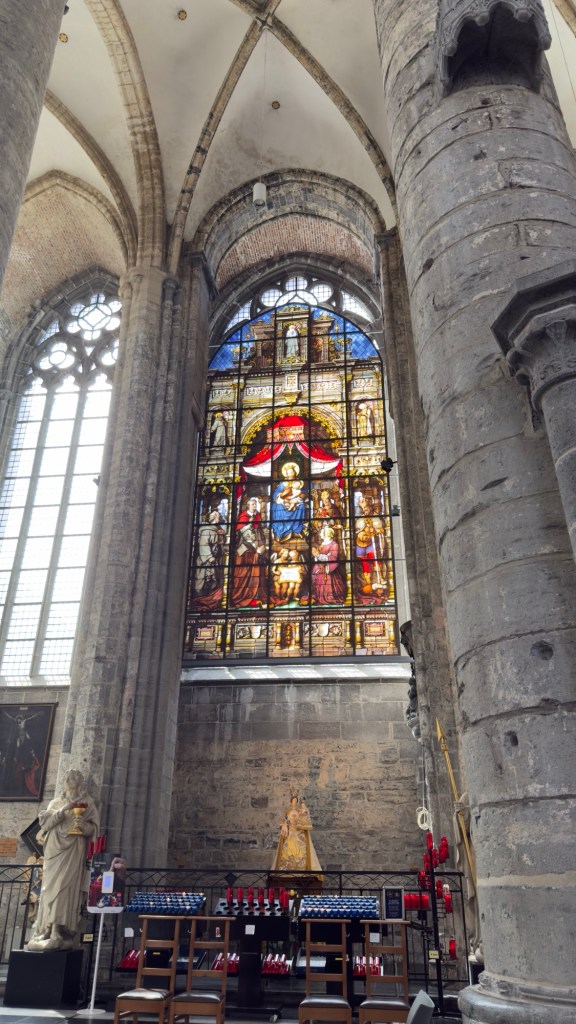
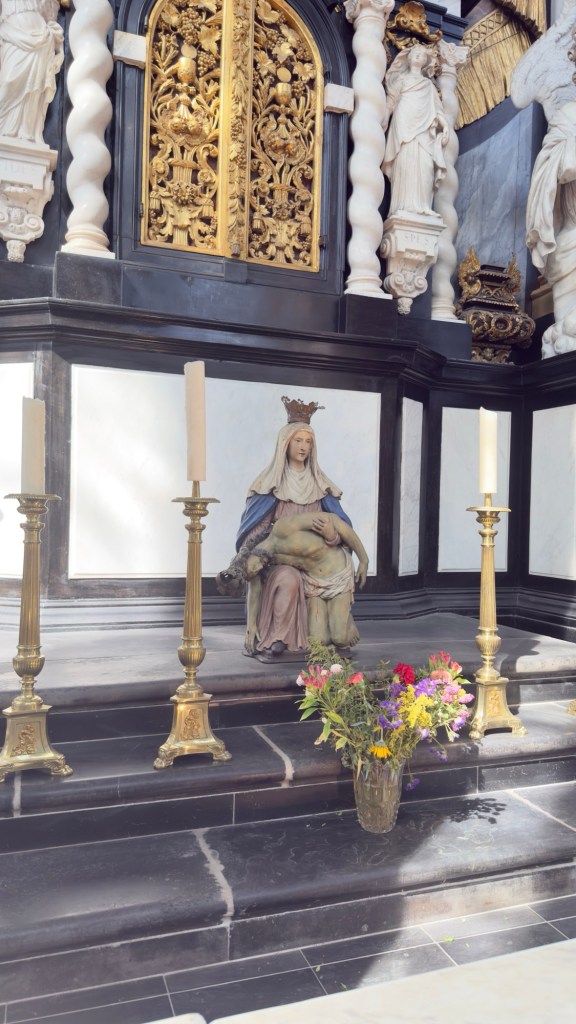
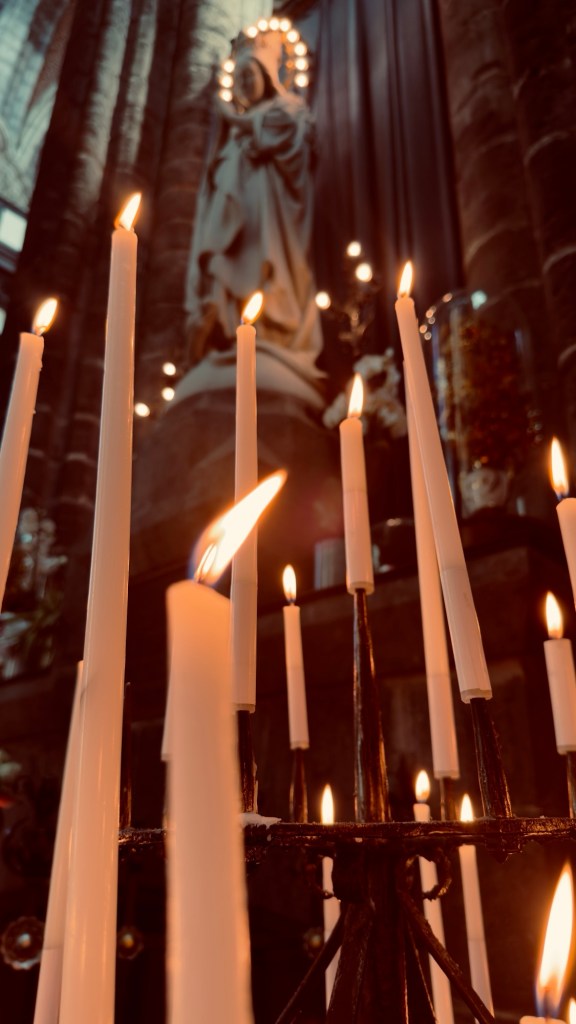
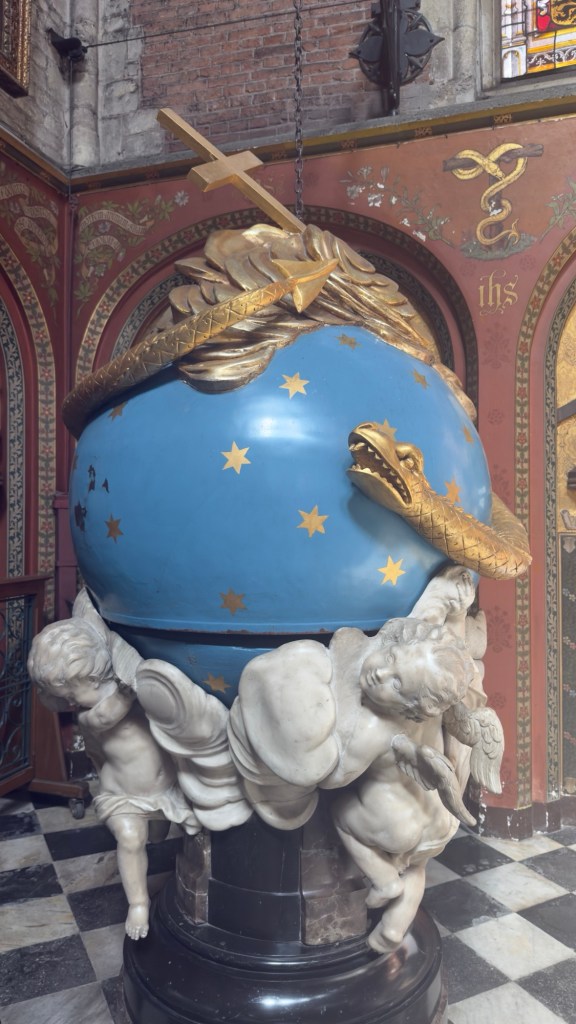
I then entered the Church of St. Nicholas. The day was cool, but the temperature dropped at least ten degrees as I entered… not that my poor heathen soul was the reason for the decrease.
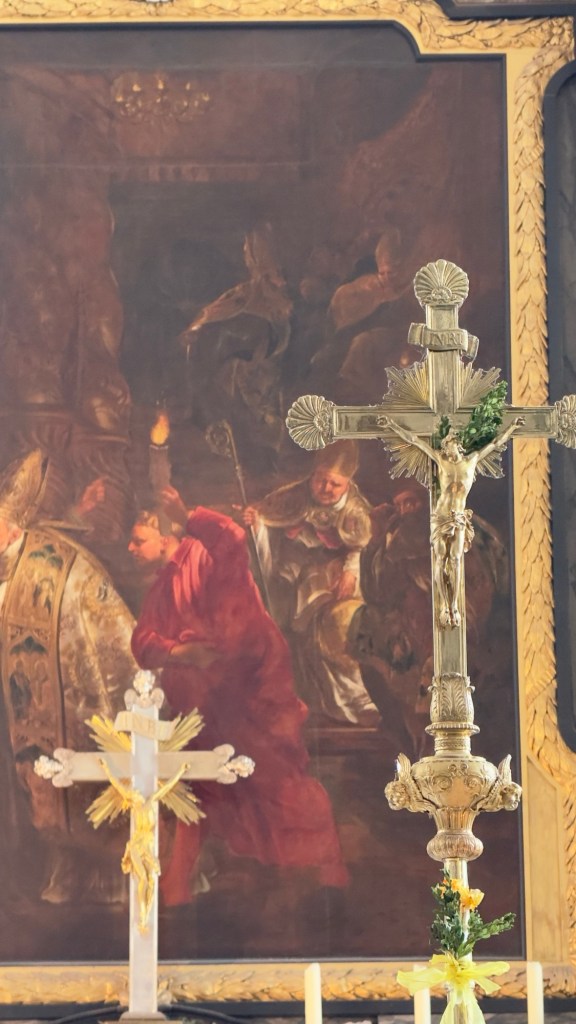
One of the “artistic” shots of the day…
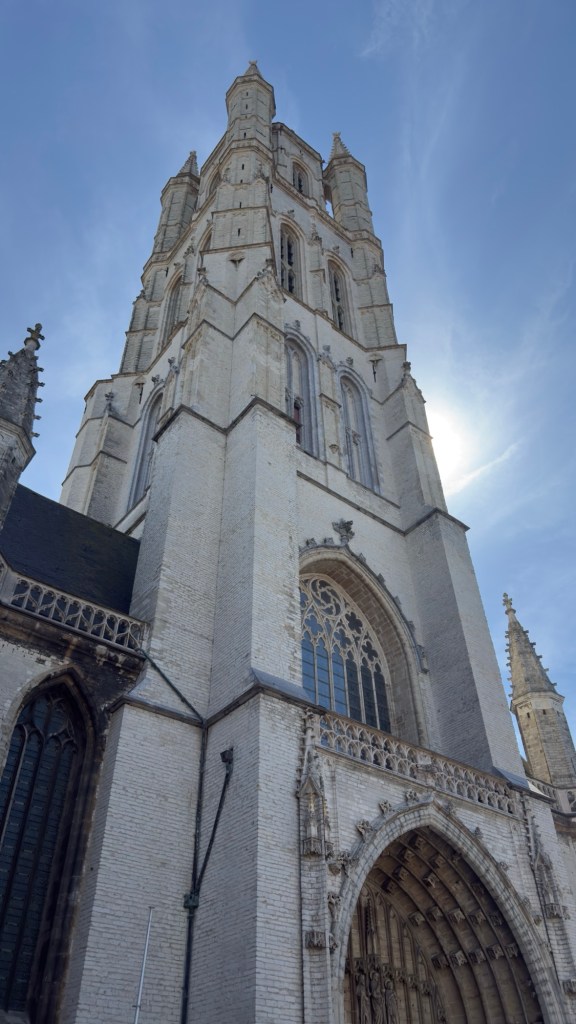
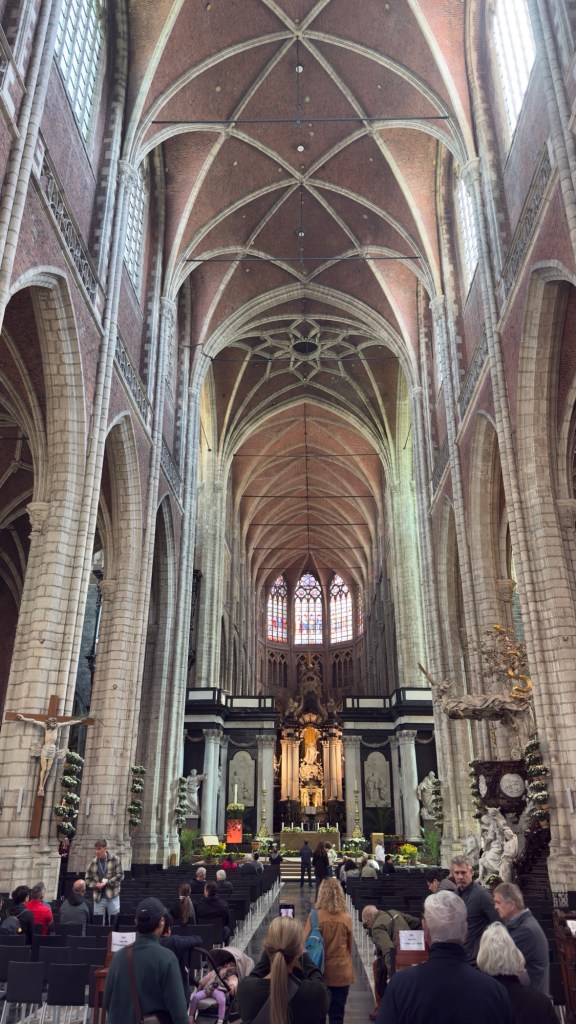
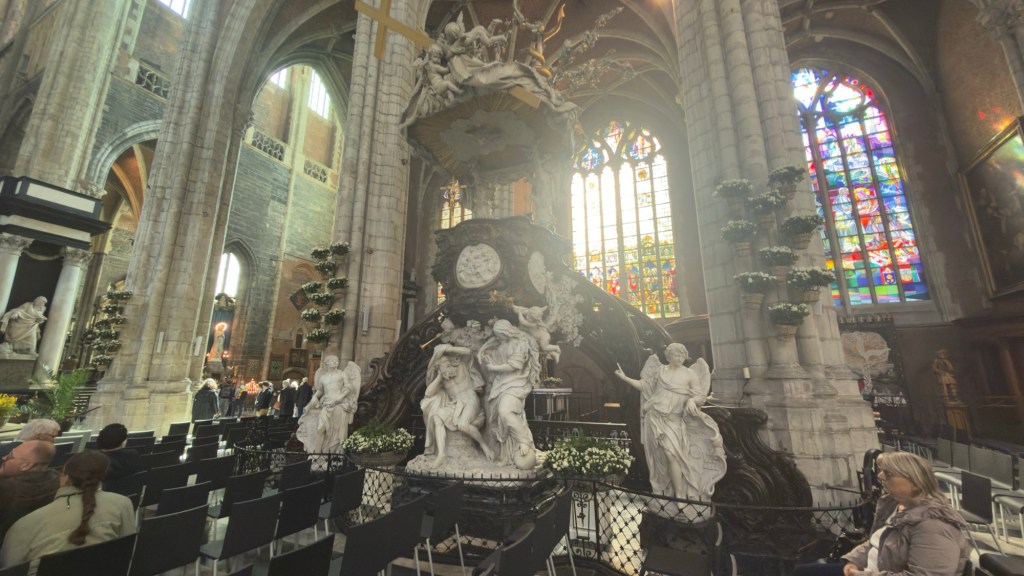
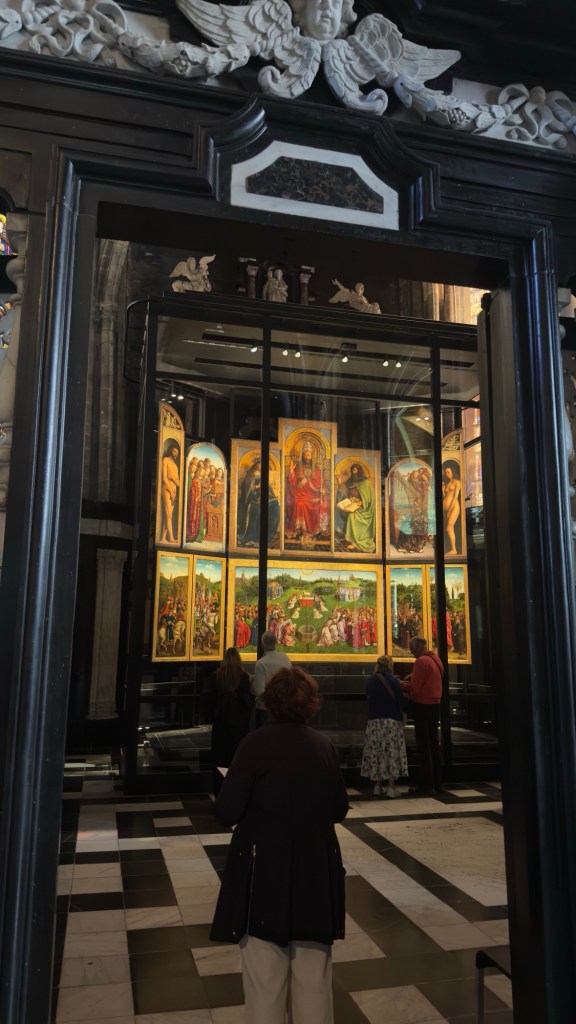
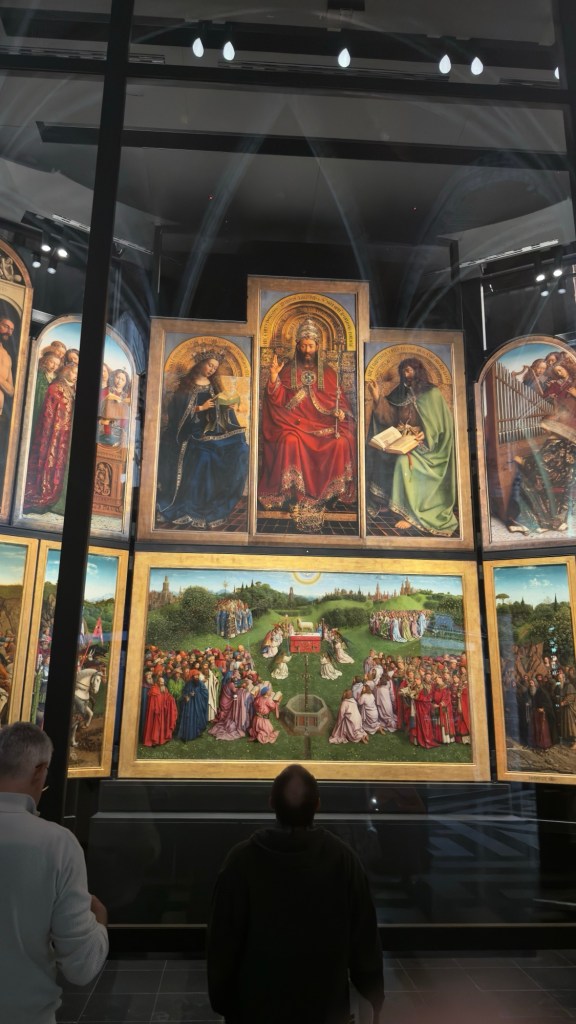
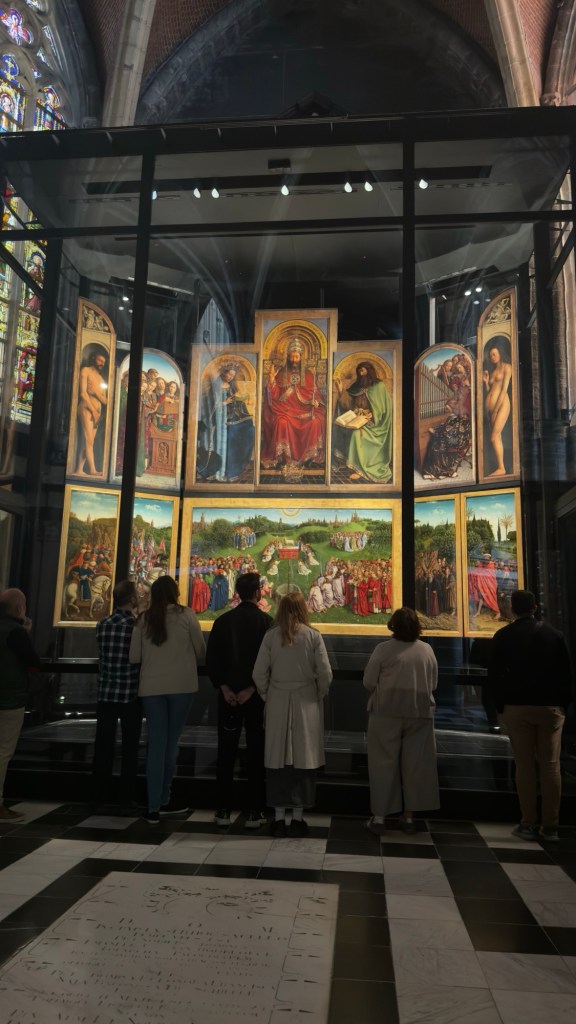
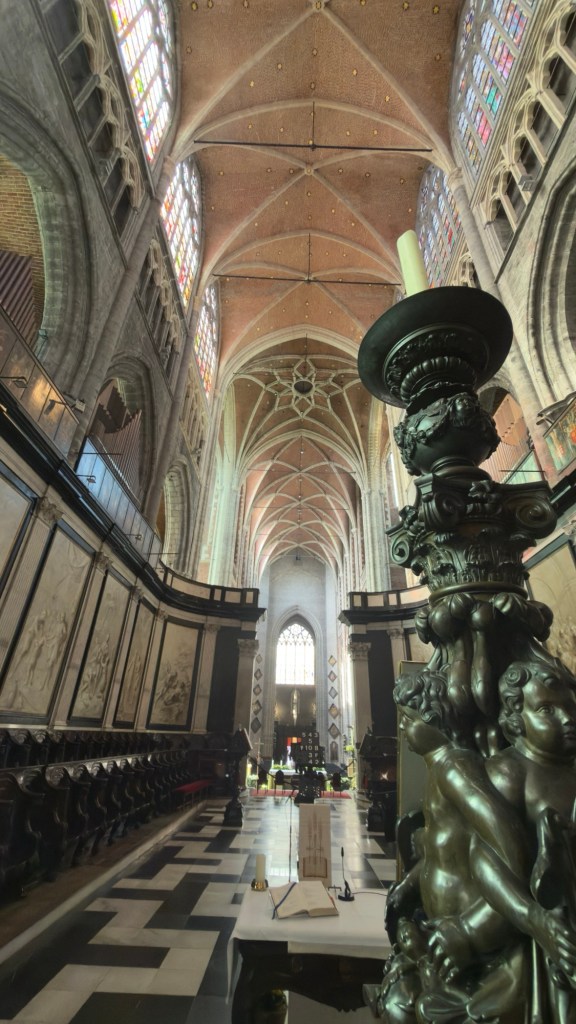
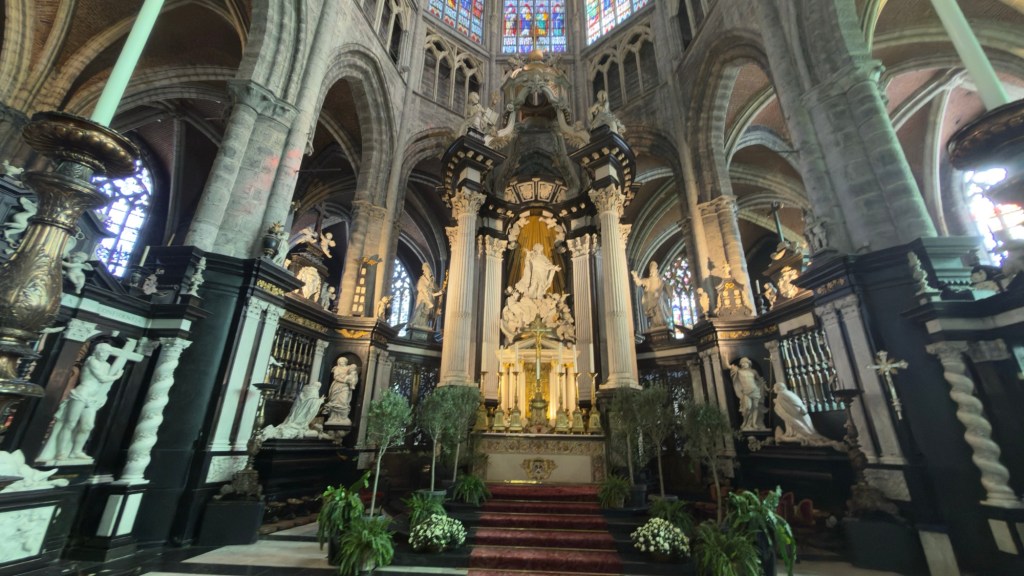
And then, I was at St. Bavo’s Cathedral. I hadn’t planned on it, in fact, I have a ticket for tomorrow, but then… when in Ghent! The pictures do no justice to the Ghent Altarpiece and the Mystical Lamb. I bought a book and will happily show it to you. Truly magnificent!
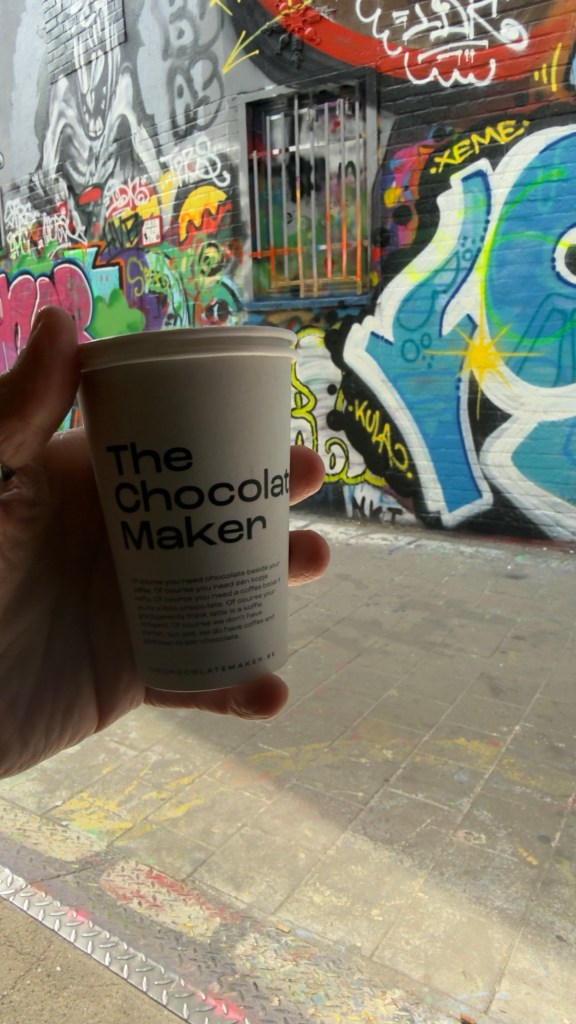
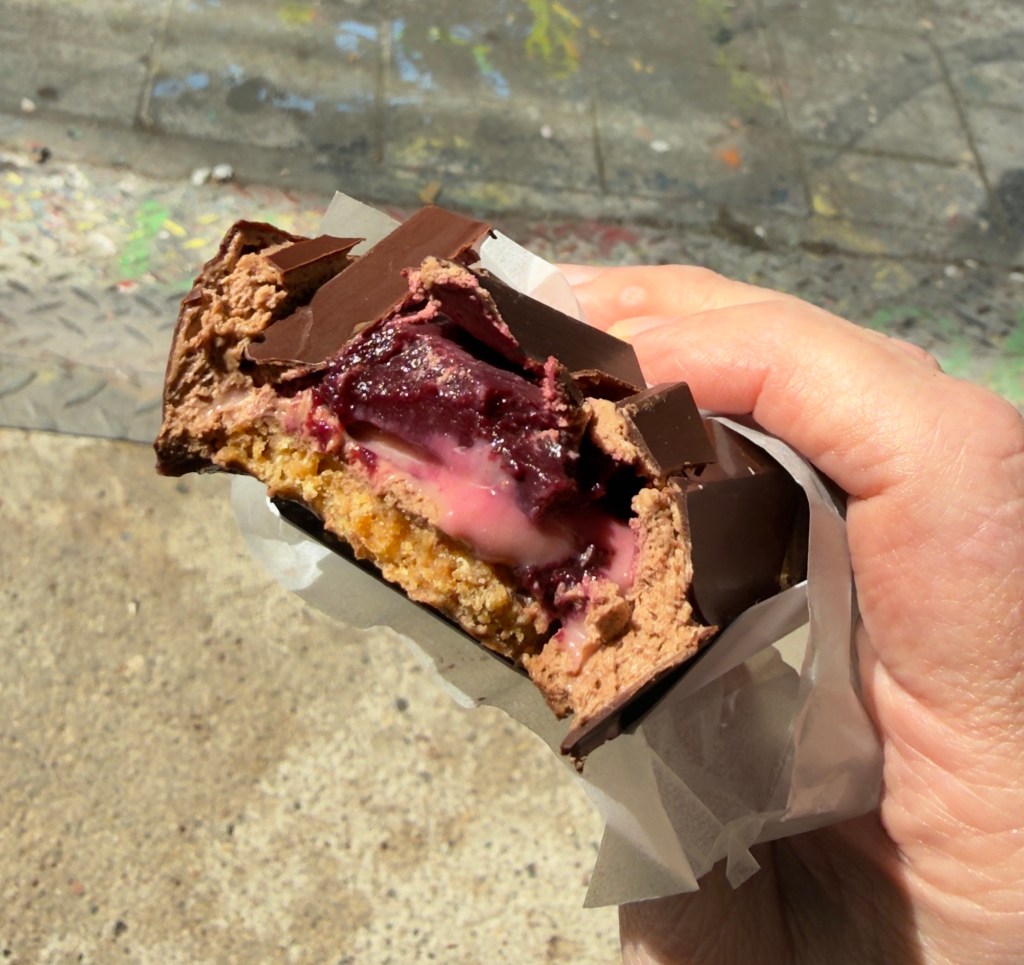
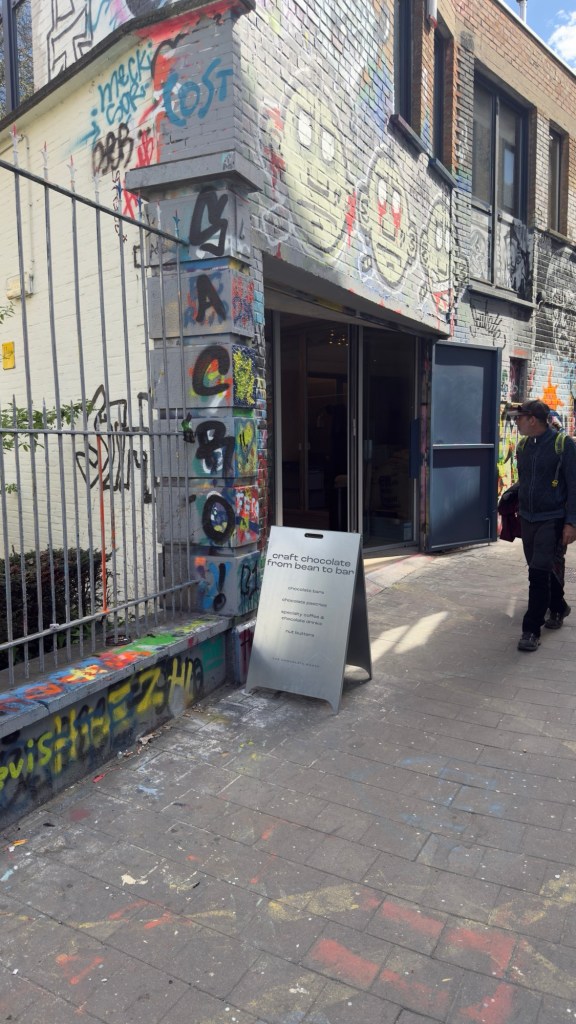
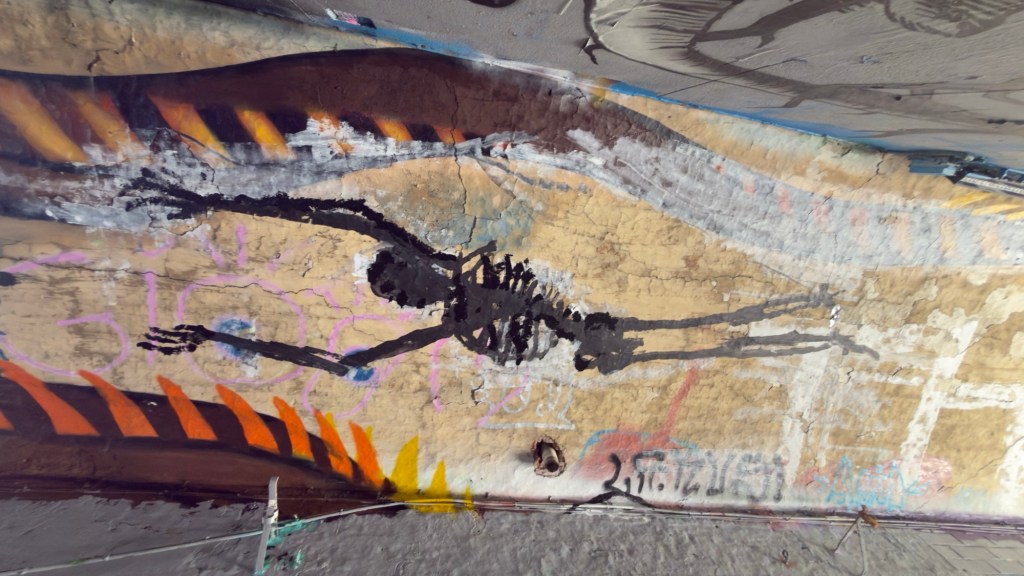
And now for something completely different! Graffiti Alley… this narrow alleyway is covered from floor to ceiling in graffiti. There is only one shop along the way, and they serve an exceptional espresso and make the most decadent chocolate treats—mine was a cookie filled with raspberry cream and covered with dark chocolate. Yeah… I ate it all.
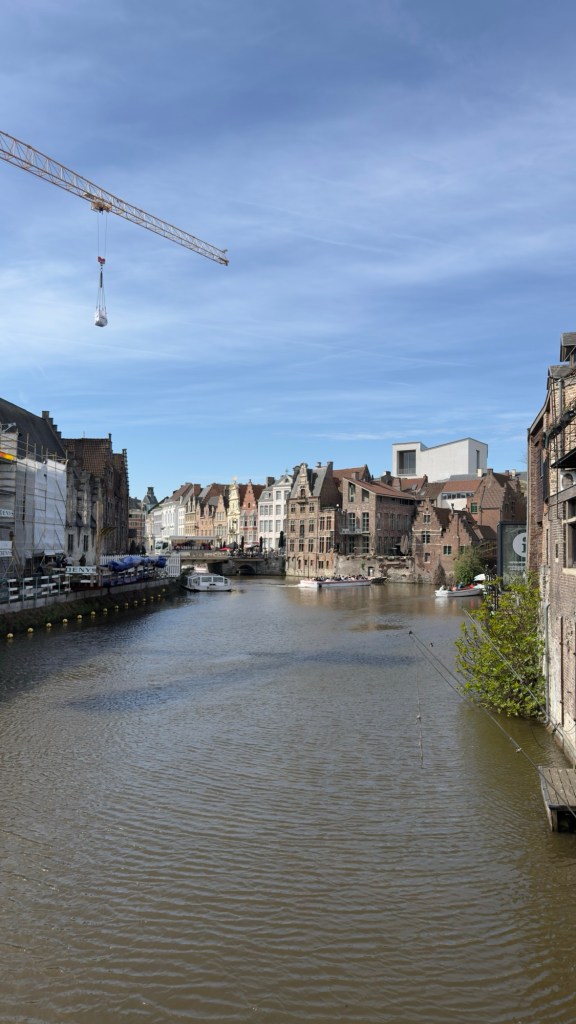
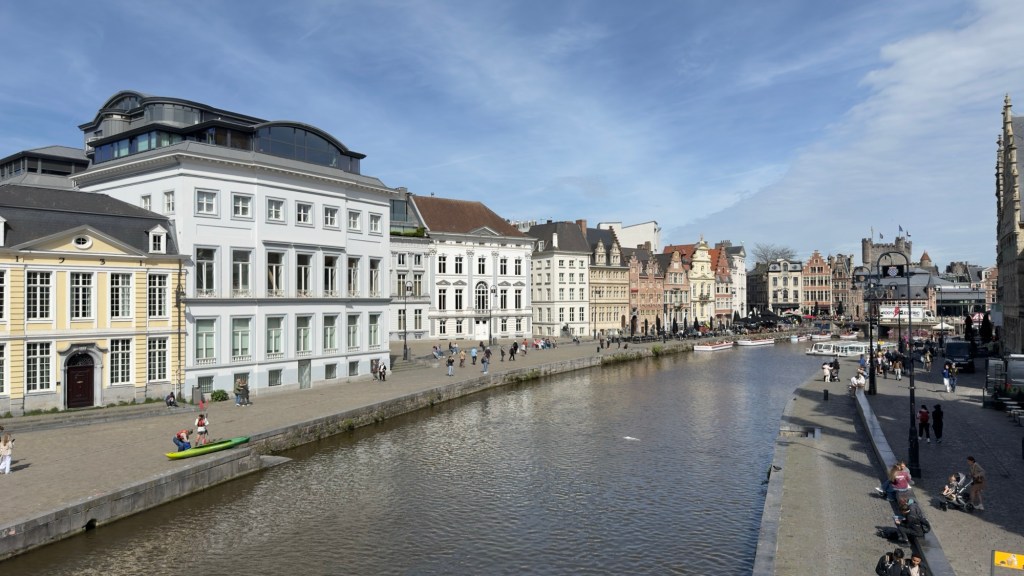
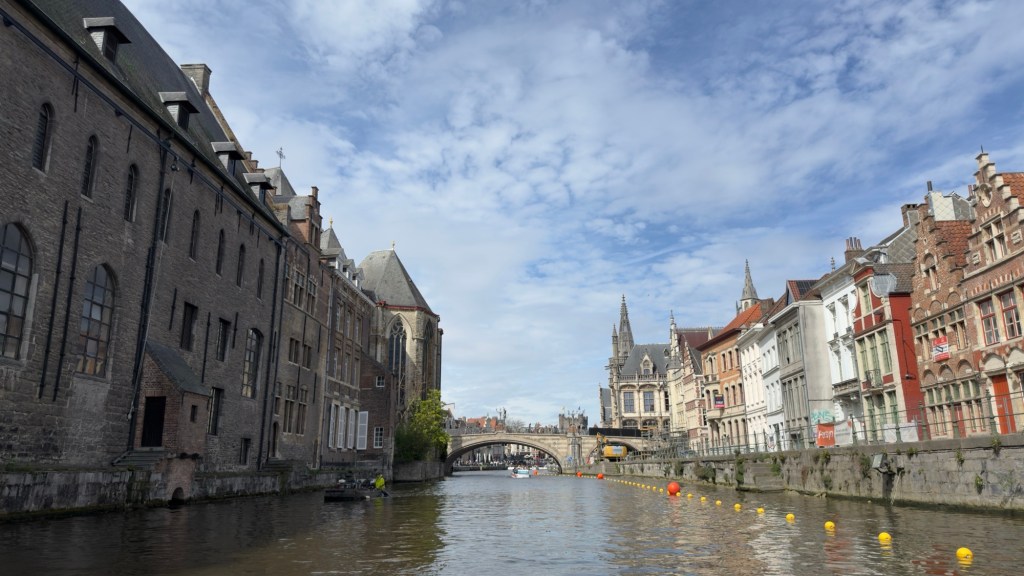
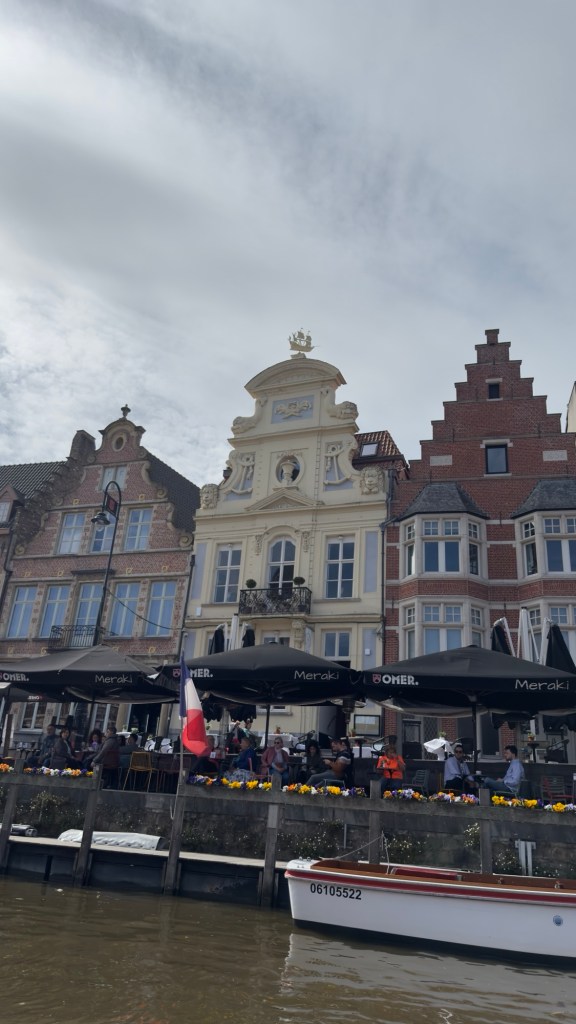
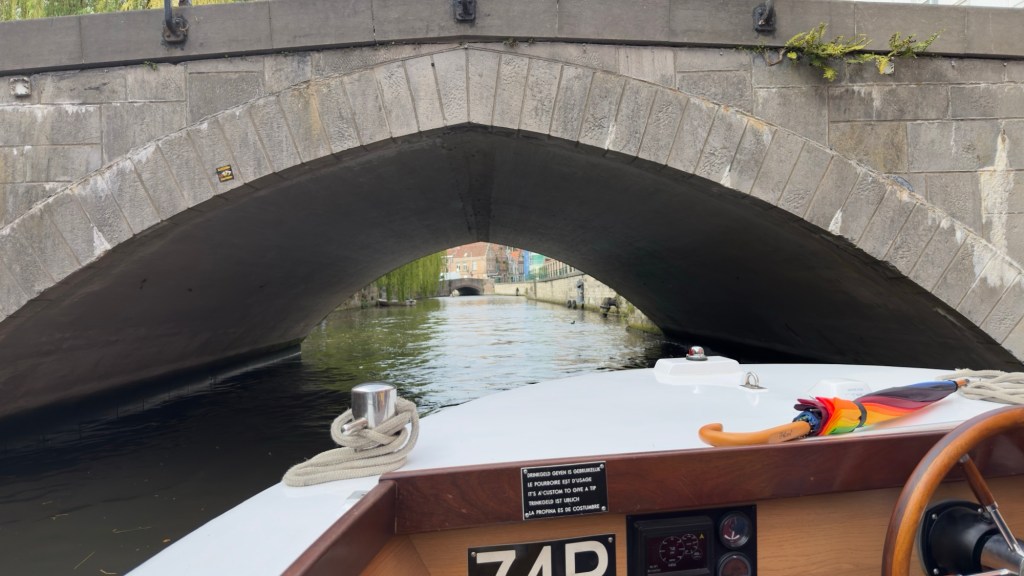
At this stage, the dogs were barking, and I was ready for a sit-down, although not quite ready to return to the hotel. A fifty-minute canal tour proved to be just the ticket.
The tour guide—who could jump from English, French, German, and Flemish without skipping a beat—actually took his hands off the wheel and took the same picture above. Said it was his favorite view and this was the most beautiful he had ever seen it. I thought I had better do the same.
That is all the photos for now. I returned to the hotel, had a nice cold Belgian beer…
…and worked on that short story for the Writing Battle. Perhaps I shouldn’t be drinking beer while writing, because it has taken a turn for the more-weird-than-usual, but it is fun. Tomorrow is museum day. I’ll try to do more writing with the post but I do hope you enjoy today’s pictures. They truly do none of this beautiful city justice.
I left the house about 3 p.m. Sunday. I arrived at my hotel in Luxembourg around 9 p.m. on Monday. There is a seven-hour time difference, so it comes to about 23 hours travel time with no sleep (question for the solo-travelers: how do you sleep on a plane? I just can’t seem to fall asleep. Exhausted, but awake.) After arriving at the NH Luxembourg Hotel, I took a nice hot shower, had a lovely glass of wine, and then crawled in for about 9 hours. A good night’s rest for sure.
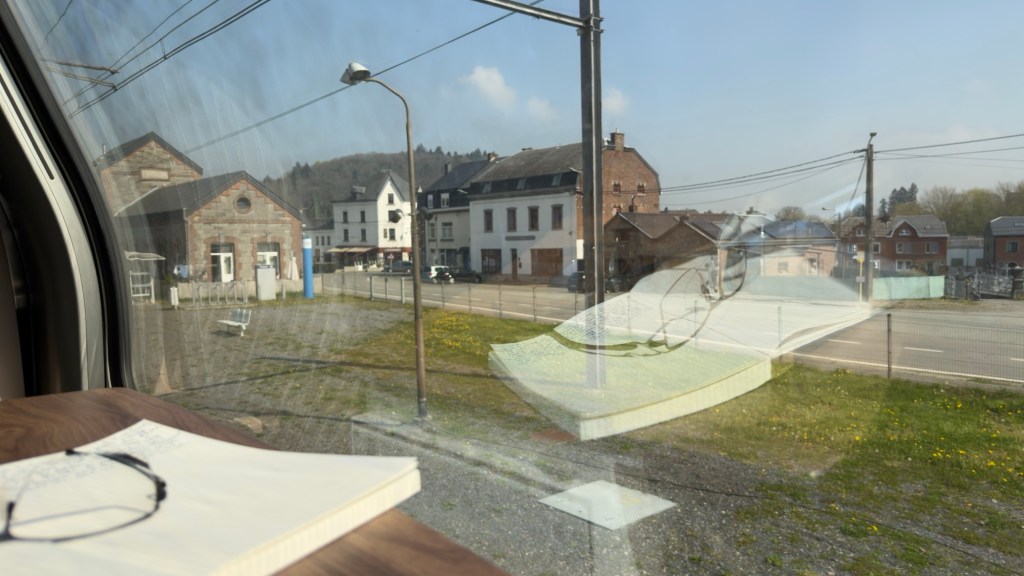
Today, I moved slowly, but was on the train to Ghent, Belgium at 10:11 a.m. after a nice breakfast at the hotel.
Journaling on the train…
Arrived in Ghent after missing my !!six-minute!! transfer at the Brussels-Nord station. It was okay, another train came along in 11 minutes and I was off again.
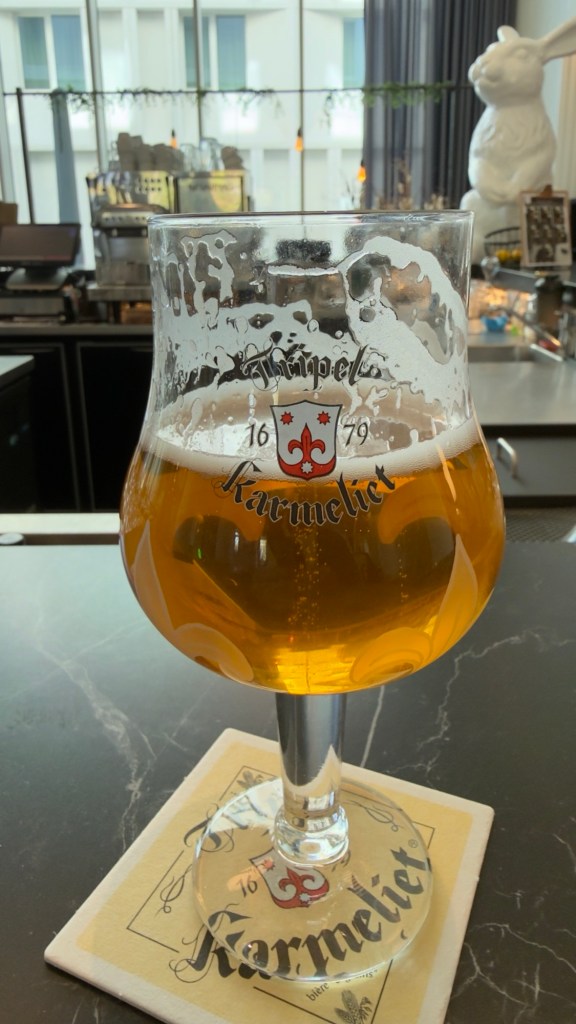
After getting to my room, I came back down to the lobby of the Residence Inn by Marriott Ghent (a lovely hotel with very kind and helpful staff) and did the one thing you’re supposed to do while in Belgium…
And, yes, I’m at the White Rabbit bar.
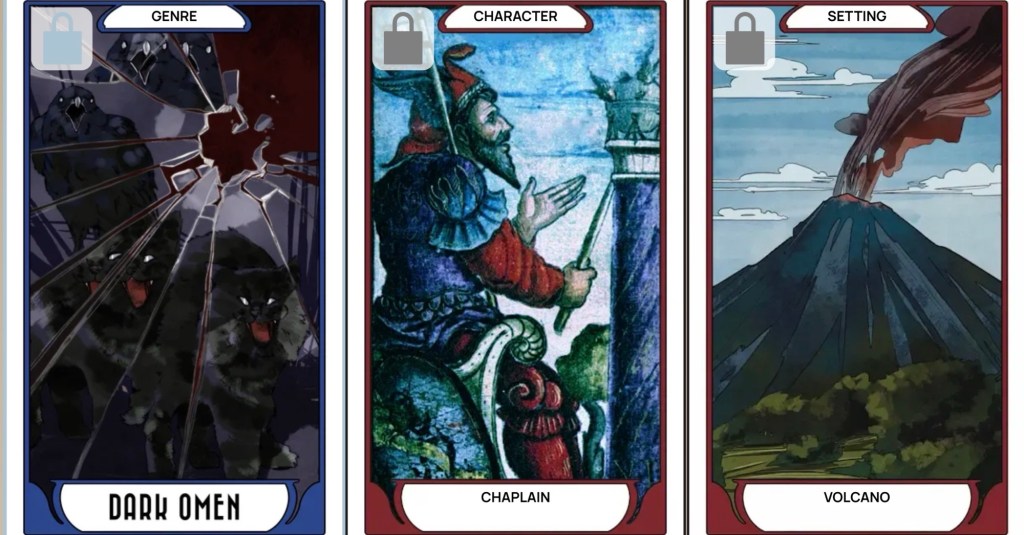
I have two full days here and the agenda is beautifully packed. More to come. This evening, after a nap—the beer was good and, yes, I did have two—I’ll be working on my short story for the Writing Battle. You are given three images and five days to write a 2,500-word short story. My three images…
My inspiration for the story (I referenced it in a sermon a while back) is from…
Darkness
By Lord Byron
I had a dream, which was not all a dream. The bright sun was extinguish’d, and the stars Did wander darkling in the eternal space, Rayless, and pathless, and the icy earth Swung blind and blackening in the moonless air; Morn came and went—and came, and brought no day, And men forgot their passions in the dread Of this their desolation; and all hearts Were chill’d into a selfish prayer for light: And they did live by watchfires—and the thrones, The palaces of crowned kings—the huts, The habitations of all things which dwell, Were burnt for beacons; cities were consum’d, And men were gather’d round their blazing homes To look once more into each other’s face; Happy were those who dwelt within the eye Of the volcanos, and their mountain-torch: A fearful hope was all the world contain’d; Forests were set on fire—but hour by hour They fell and faded—and the crackling trunks Extinguish’d with a crash—and all was black. The brows of men by the despairing light Wore an unearthly aspect, as by fits The flashes fell upon them; some lay down And hid their eyes and wept; and some did rest Their chins upon their clenched hands, and smil’d; And others hurried to and fro, and fed Their funeral piles with fuel, and look’d up With mad disquietude on the dull sky, The pall of a past world; and then again With curses cast them down upon the dust, And gnash’d their teeth and howl’d: the wild birds shriek’d And, terrified, did flutter on the ground, And flap their useless wings; the wildest brutes Came tame and tremulous; and vipers crawl’d And twin’d themselves among the multitude, Hissing, but stingless—they were slain for food. And War, which for a moment was no more, Did glut himself again: a meal was bought With blood, and each sate sullenly apart Gorging himself in gloom: no love was left; All earth was but one thought—and that was death Immediate and inglorious; and the pang Of famine fed upon all entrails—men Died, and their bones were tombless as their flesh; The meagre by the meagre were devour’d, Even dogs assail’d their masters, all save one, And he was faithful to a corse, and kept The birds and beasts and famish’d men at bay, Till hunger clung them, or the dropping dead Lur’d their lank jaws; himself sought out no food, But with a piteous and perpetual moan, And a quick desolate cry, licking the hand Which answer’d not with a caress—he died. The crowd was famish’d by degrees; but two Of an enormous city did survive, And they were enemies: they met beside The dying embers of an altar-place Where had been heap’d a mass of holy things For an unholy usage; they rak’d up, And shivering scrap’d with their cold skeleton hands The feeble ashes, and their feeble breath Blew for a little life, and made a flame Which was a mockery; then they lifted up Their eyes as it grew lighter, and beheld Each other’s aspects—saw, and shriek’d, and died— Even of their mutual hideousness they died, Unknowing who he was upon whose brow Famine had written Fiend. The world was void, The populous and the powerful was a lump, Seasonless, herbless, treeless, manless, lifeless— A lump of death—a chaos of hard clay. The rivers, lakes and ocean all stood still, And nothing stirr’d within their silent depths; Ships sailorless lay rotting on the sea, And their masts fell down piecemeal: as they dropp’d They slept on the abyss without a surge— The waves were dead; the tides were in their grave, The moon, their mistress, had expir’d before; The winds were wither’d in the stagnant air, And the clouds perish’d; Darkness had no need Of aid from them—She was the Universe.
Perhaps you’ve seen the letter to Jesus from Jordan Management Consultants.
It appears Jesus used these consultants to help identify potential leaders among his followers. The letter states that JMC has conducted extensive research on the candidates and then offers its recommendations:
“Simon Peter is emotionally unstable and prone to fits of temper. Andrew has absolutely no leadership qualities. The two brothers, James and John, the sons of Zebedee, place personal interests above loyalty to the company. Thomas demonstrates a questioning attitude that would tend to undermine morale.
“We feel it is our duty to inform you that Matthew has been blacklisted by the Greater Jerusalem Better Business Bureau. James, the son of Alphaeus, and Thaddaeus definitely have radical leanings and both registered high scores on the manic-depressive scale.
“One of the candidates, however, shows great potential. He is a man of ability and resourcefulness, meets people well, has a keen business mind, and has contacts in high places. He is highly motivated, ambitious, and responsible. We recommend Judas Iscariot as your controller and right-hand man.”
Did you ever notice how easy it is to pull a snippet from a person’s life and, from then on, judge and label them according to that snippet? We hear the stories of many of the characters in the Bible and do the same thing.
In the Old Testament, Abraham lied, David was an adulterer, Moses argued with God, and Jonah was flat-out disobedient. Those are only a few. Those in the New Testament aren’t any better. The apostles questioned Jesus’ methods. They argued amongst themselves. They wanted to call down fire from heaven and destroy cities (I actually kind of like that one). They abandoned Christ in his time of need. They denied him, and so on.
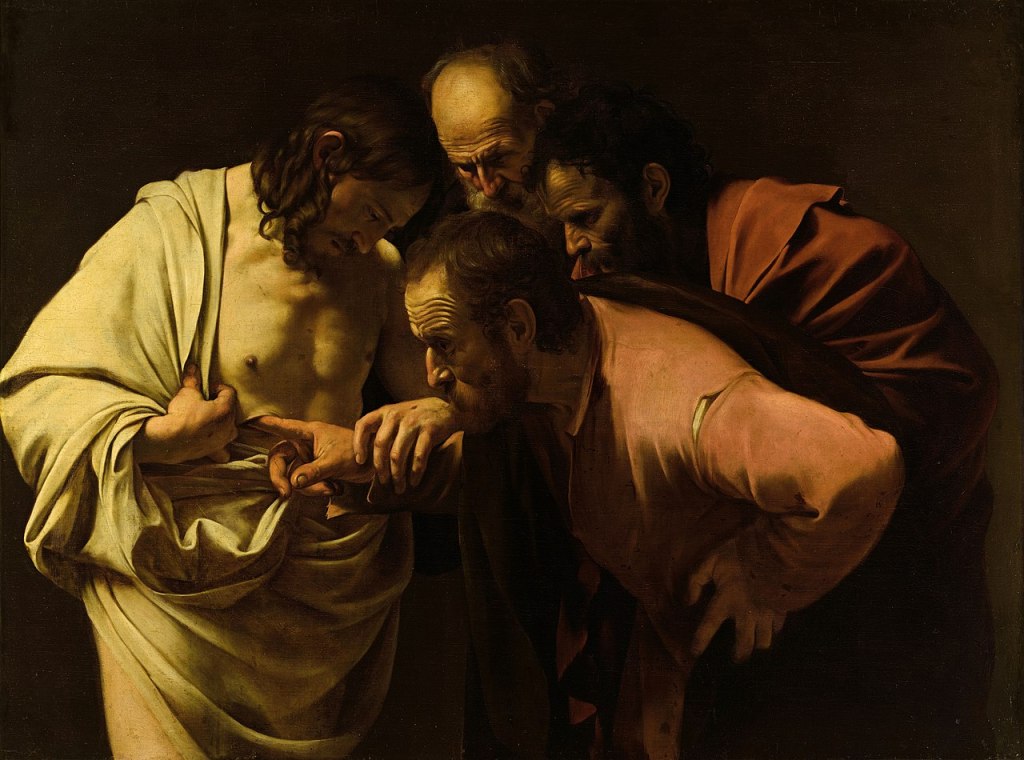
And then there is poor old Thomas. It is easy to understand why grade schoolers think his last name was Thomas and his first name was “Doubting.” Doubting Thomas. To tell you the truth, I think he gets a bad wrap, so today I would like to try to remedy that a bit.
Thomas is mentioned in all four gospels and the Acts of the Apostles, but in John’s gospel, he receives the most attention.
In John’s gospel, he is first mentioned as Jesus plans to return to Judea, where he would later raise Lazarus from the dead. The disciples are concerned because it was in Judea that the Jews had tried to stone Jesus just a short time earlier. Despite their concerns, Jesus says, “Let us go to Lazarus.”
I love the quote and have probably shared it with you before, but have you seen The Lord of the Rings? Great films. Gimli is a main character and a dwarf. A huge battle is about to take place, with slim chances of victory, so there is an argument over what to do. Stand and fight, or flee and possibly fight another day. Gimli settles the argument when he says, “Certainty of death, small chance of success- what are we waiting for?”
When Jesus said, “Let us go to Lazarus,” even though there was the possibility of death and everyone else wanted to stay put, Thomas said, “Let us also go, that we may die with him.”
Note to the wise: if you can find a friend like this, don’t let them go. In this situation, Thomas demonstrates bravery, loyalty, and dedication. While the rest were “doubting,” Thomas was prepared to lay down his life for the Lord.
In a later event, Jesus cryptically explained to the disciples that he would be killed and go to the Father. He went on to tell them that they knew the way to where he was going, yet Thomas said, “Lord, we don’t know where you are going, so how can we know the way?” Jesus then explained that he is “the way and the truth and the Life.”
No one else understood either, but Thomas demonstrated simple honesty by not pretending to understand what Jesus was trying to tell them.
Brave, loyal, dedicated, honest, and now, from today’s text, doubting.
When Jesus first appeared to the disciples, ten were there who saw and believed. Thomas was not.
Some have suggested that Thomas’ greatest mistake was not his doubting but his absence. After the death of Jesus, instead of remaining in the Christian community, he is postulated to have withdrawn and sought loneliness. By isolating himself from the community of faith, he failed to witness Christ’s appearance.
Whatever the case, Thomas doubts. The Lord appears again, and Thomas is present. At this appearance, Thomas redeems himself from his initial doubt. After laying eyes on, and possibly even touching, the Risen Lord, he makes a confession of faith regarding Jesus. This confession is greater than what all the rest have said to this point. Thomas declares, “My Lord and my God.”
From a distance, it is easy to criticize Thomas, but his doubt seems to have stemmed from a need for facts. Once he was certain, Thomas committed himself fully to Jesus, declaring him Lord and God.
Brave, Loyal, Dedicated, Honest, Doubting, Fully Committed. That’s a better first name than “doubting.”
The beginning of the Acts of the Apostles records Jesus’ last appearance to the apostles, and his final words to them were, “You will be my witnesses in Jerusalem, and in all Judea and Samaria, and to the ends of the earth.” It is clear from the rest of Acts that several of the apostles did as Jesus commanded; however, we don’t hear about them all, and Thomas is one for whom scripture is silent.
There is, however, what is known as the New Testament Apocrypha. It is not considered scripture or even true, but this collection includes a book titled “The Acts of Thomas.” According to this book, regarding being “witnesses to the end of the earth,” we learn that the apostles divided the earth and went out into the world to spread the Gospel message, as Jesus had commanded. Thomas, as legend has it, was assigned to the area we know as India.
When he arrived in India, he was enslaved, but it came to the attention of Gustafor, an Indian king, that Thomas was a carpenter. Learning this, Gustafor commanded Thomas to build him a palace. The king gave Thomas a considerable sum to buy materials and pay the workers; however, every time the king gave him money, Thomas gave it all to the poor. The king grew suspicious and sent for Thomas, asking, “Have you built my palace?” Thomas answered, “Yes.” The king asked when he could go and see the palace, and Thomas replied, “You cannot see it now, but when you depart this life, then you will see it.” Through his good works, Thomas was building a palace in heaven for the king. At first, the king was furious, and Thomas was nearly put to death. Yet through this situation, Thomas won the Indian king to Christ. Legend has it that this is how Christianity came to India.
True or false? It’s hard to say, but here’s a fact: To this day, Syrian Christians in India call themselves the Mar-Thoma Church, or “Father Thomas” Church, and are in communion with The Episcopal Church.
What can we gain from this apostle with the unfortunate first name? One theologian wrote, “What this church needs is what every church needs: a man who knows God at more than second-hand knowledge.”
When Jesus first appeared, Thomas wasn’t willing to take the other apostles’ word for it. He didn’t want second-hand knowledge. He wanted proof for himself. He wanted to see, hear, and lay his hands on the risen Lord.
That is what we should all want. Jesus says to Thomas, “Have you believed because you have seen me? Blessed are those who have not seen and yet have come to believe.” It is true. Faith is believing in the things we cannot see, but bouncing along in unsubstantiated faith is foolish, for when the trials come, that kind of faith can abandon us.
Therefore, we must also lay hold of the Risen Lord, and we can do so through prayer, study of Holy Scripture, meditation, our own experiences of Jesus, and the witness of others. It is then that the roots of our faith will be grounded in the Rock who is our Lord and our God. When trials blow through our lives, they may knock us around a bit, but we will not be uprooted. Like Thomas, we will learn never to doubt the one who saves us.
Let us pray: St. Thomas, you surrendered your doubts and placed your faith completely in the Resurrected Lord. Teach us to surrender ourselves fully to God’s will, trusting in His providence and love. May we let go of our fears and uncertainties, knowing that God is always with us. Pray for us, St. Thomas, that we may surrender our hearts to the Lord and find true peace in Him. Amen.
Do you think God ever looks down from heaven, shakes his head, and asks himself, “You know I buy them books and send them to school, so why are they still doing foolish things?”
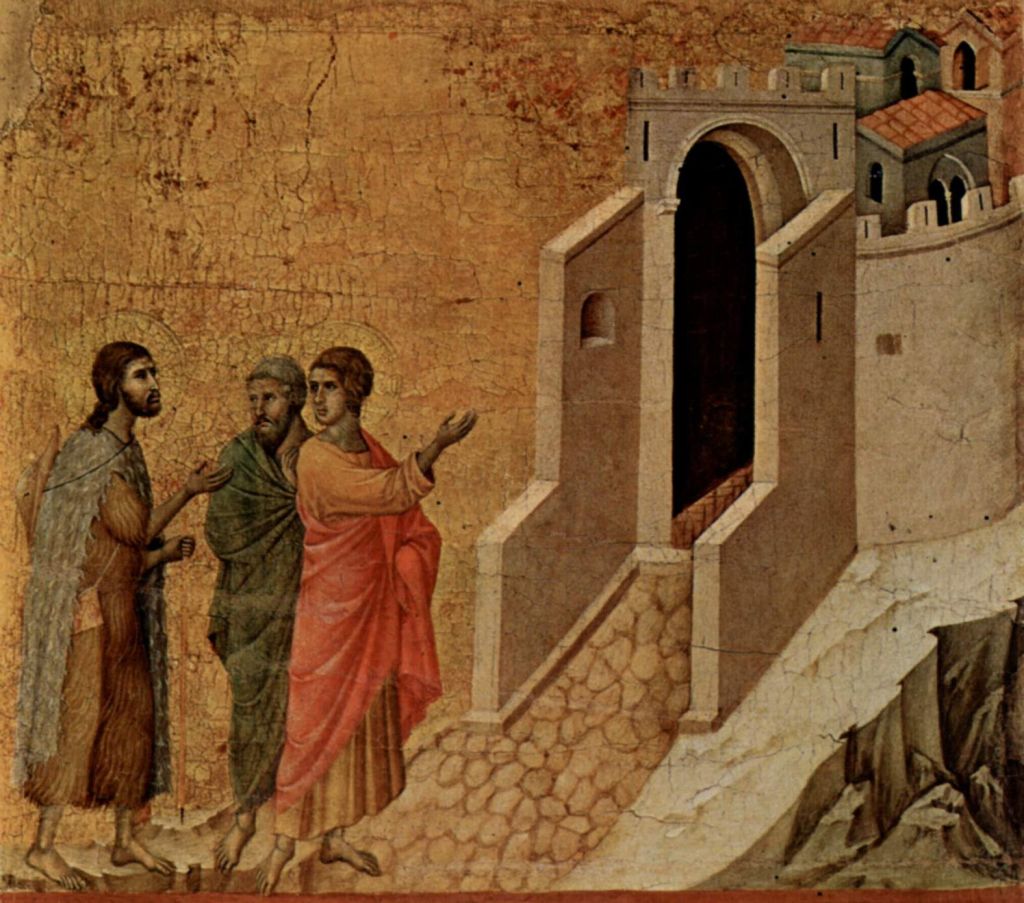
In our gospel reading today, when Jesus catches up to the two on the road, he declares the same thing, ”Oh, how foolish you are, and how slow of heart to believe all that the prophets have declared! Was it not necessary that the Messiah should suffer these things and then enter into his glory?”
The Gospels do not explain why the two are traveling to Emmaus, but I am willing to make an educated guess.
As the two walk along the road, Jesus joins them and asks what they are discussing. Not realizing that it is Jesus who has asked, they answer him as if he had spent the last three days in a cave or something. They tell Jesus that the greatest prophet Israel ever knew, the long-awaited Messiah who was going to deliver the people, had finally come, but the chief priests had him put to death. All their hopes and dreams crumbled with his death. In other words, they say, “O woe is us. All is lost.”
Why are the two headed to Emmaus? They are going home. In their minds, they are defeated, and there is no point in hanging out in Jerusalem any longer. Even the direction they are traveling is telling. Emmaus is almost directly west of Jerusalem, the sun is setting, the day is ending, and the sun has set on the Messiah. Where they once walked in the light, now everything is turning dark. Then Jesus speaks, “Stop being so foolish and let me explain it to you. Let me show you how you are wrong,” and he proceeds to reveal the truth about the Savior, about himself, and he does so in two very important ways.
First, He opens the scripture for them and explains it in such a way that their hearts burn within them. Second, he breaks bread with them just as he had done at the Last Supper. Jesus reveals the truth about Himself through His words, the explanation of Holy Scripture, and the sacrament—the breaking of bread. Through both word and sacrament, He reveals Himself to them, and in that instant, they knew Him.
It remains the same today, and there is only one place where we can find both: the church. Archbishop Rowan Williams declares, “The Church is the new creation, it is life and joy, it is the sacramental fellowship in which we share the ultimate purpose of God, made real for us now in our hearing the Word and sharing the Sacrament.”
My good friend Thomas a Kempis writes, “You have given me in my weakness Your sacred Flesh to refresh my soul and body, and You have set Your word as the guiding light for my feet. Without them, I could not live aright, for the word of God is the light of my soul and Your Sacrament is the Bread of Life.” These two life-giving and soul-lighting gifts are found only in the Church.
The two travelers on the road to Emmaus had lost hope, but Jesus revealed to them that He is present to all of us in word and sacrament, found only in Christ’s one holy catholic and apostolic church.
“Love is awful. It’s awful. It’s painful. It’s frightening. It makes you doubt yourself, judge yourself, distance yourself from the other people in your life. It makes you selfish. It makes you creepy, makes you obsessed with your hair, makes you cruel, makes you say and do things you never thought you would do.”
This is the moment when the camera shifts from the priest to two women in the congregation. The woman with black hair turns to the brunette and says, “There’s something wrong with your priest.”
Then the camera shifts back to the priest, who continues, “It’s all any of us want, and it’s hell when we get there. So no wonder it’s something we don’t want to do on our own. I was taught that if we’re born with love, then life is about choosing the right place to put it. People talk about that a lot, feeling right, when it feels right, it’s easy. But I’m not sure that’s true. It takes strength to know what’s right. And love isn’t something that weak people do. Being a romantic takes a hell of a lot of hope. I think what they mean is, when you find somebody that you love, it feels like hope.” (Credit: BBC’s Fleabag, written by Phoebe Waller-Bridge)
We know that Jesus was without sin. This is true, but He was a criminal; otherwise, why would He have been crucified? In his meditations, St. Bernard asked the same question: “What crime hast Thou committed that Thou shouldest have to be condemned to death, and that death the death of the cross? Ah, I will understand, replies the saint, the reason for Thy death; I understand what has been Thy crime: ‘Thy crime is Thy love.’ Thy crime is the too great love which Thou hast borne to men: it is this, not Pilate, that condemns Thee to die” (The Love of Jesus Crucified, p.20).
Jesus was a criminal, and his crime was “the superabundance of love” (Ibid.) that He holds for you—for us all. But how did Bernard and others come to such a conclusion?
It doesn’t take much imagination to picture the horrors Jesus endured after His trial and ending with His crucifixion. Authors have written about it, filmmakers have made movies, scientists and doctors have analyzed it, and historians have provided the facts. There are many ways to be put to death, but crucifixion ranks among the most gruesome and painful. Yet, the question that saints asked was “Why?” In asking this, they weren’t questioning from a theological perspective. They all knew Jesus was the only one who could save us. Instead, they were asking, “Why couldn’t a different, less horrific way be found?” (Ibid., 21) There are two parts to the answer.
In the first part, St. Alphonsus Liguori asked, “Would it not have sufficed for him to have offered to his eternal Father one single prayer for the pardon of man? For this prayer, being of infinite value, would have been sufficient to save the world and infinite worlds besides. Why, then, did he choose for himself so much suffering and a death so cruel?” (Ibid.) St. John Chrysostom asked the same question, but also provides the beginning of an answer: “A single prayer of Jesus would indeed have sufficed to redeem us; but it was not sufficient to show us the love that our God bore us: ‘That which sufficed to redeem us was not sufficient for love’” (Ibid.). Jesus did not believe that a simple prayer was enough to show us how much he loved us. Chrysostom continues, “This was the principal cause of the Passion of our Lord; he wished it to be known how great was the love of God for man,—of God, who would rather be loved than feared” (Ibid., 23). Jesus could have prayed, and we would have been forgiven and restored to God, but Jesus wanted to express His love for us in a way that would be beyond doubt. “This,” Jesus said from the Cross, “is how much I love you.” “Greater love has no one than this, that someone lay down his life for his friends” (John 15:13).
The second part of the answer to “Why?” is more about us than about Jesus.
Imagine that Jesus prayed, not from the Cross, but from the upper room, “Father, forgive them.” And suppose there was a voice from Heaven, unmistakably the Father’s, who responded, “My Son, their sins and the sins of the whole world are forgiven.” Then see Jesus as He turns to the disciples and to us and says, “Your sins are forgiven. See what great love I have for you.”
Perhaps I’ve become too cynical, but I think most people would say, “Thanks, but one little prayer… is that really love? I mean, yeah, I appreciate it and all, but how does that prove you actually love me?”
If for no other person, Jesus knew my cynicism and declared, “Not only will I tell you that I love you, but I will show you to what extent I am willing to go so that you will know, without question, that I love you so that you can be with me. St. Thomas Aquinas wrote, “‘By this—that is the Passion—man understands the greatness of the love of God to man.’ And St. John had said before, ‘In this we have known the love of God, because He hath laid down his life for us (1 John 3:16)’ (Ibid., 23).”
The priest’s words, “Love is awful. It’s painful. It’s frightening.” I think Jesus could have written something similar. “Love is awful,” He would say. “It is painful. It is frightening. It makes you say and do things you never thought you would do—offer your face to be spit upon, your brow for a crown of thorns, your back to be whipped, your hands, feet, side… your very life.” Jesus says, “It takes a lot of courage to love, but I look at you, and I know nothing but love. I look at you, and I have such great hope. Hope that you will believe and receive my love so that we may be one.”
Jesus was a criminal, but Jesus was also a romantic through and through, and as St. Bernard tells us, “The secrets of his heart are revealed through the wounds of his body” (Ibid., 24). However, the saint adds, “Such love, wholly claims for itself our love” (Ibid., 25). If Jesus loves you with such a superabundance of love, how will you love Him? And if this is how you have been loved, how will you love others?
During this past Season of Lent, we embarked on a study of the seven Heavenly Virtues. We learned that these include the four Cardinal Virtues and the three Theological Virtues. The Cardinal Virtues are fortitude (spiritual courage), justice (seeking the common good), prudence (establishing rules), and temperance (moderation and balance). The first two Theological Virtues are faith, which is the loving and protective relationship with the Father, and hope, which informs our souls that this relationship is eternal. Love is the third Theological Virtue. It is the essence of the relationship, for “God is love” (1 John 4:7). Supporting all seven virtues is humility. If humility is lacking, we will fail. Finally, St. Padre Pio reminds us, “Humility and love are the main supports of the whole vast building on which all the rest depends. Keep firmly to these two virtues, one of which is the lowest and the other the highest.” In our Christian walk, if we begin with humility and love, all these others will follow.
This is the Sunday of the Resurrection. It is the day that Jesus conquered death and gave us, through His love for us, eternal life. Live a life that writes your own sermon: “Love is awful. It is painful. It is frightening. Love gives me hope. Love gives me the power to love, not only my neighbor, but my enemy as well. Love gives me the strength to overcome my sins, faith that I might stand and be true, compassion that I may care. Love makes me do things that I never imagined I could do.” Jesus endured much so that you might know the great love He has for you. Receive that love, and then, like Jesus, be a criminal, be a romantic, and through your practice of the Heavenly Virtues, express that love to God and the world.
Love is awful. It’ll make you do some crazy things, but these days, the world can use that kind of crazy.
Let us pray: Our most sweet Lord, we desire to do whatever You ask of us. We pray, help us, and grant that we may please You entirely and continually, now and forever. Mary, our Mother, entreat Jesus for us, so that He may give us His holy love; for we want nothing else in this world or the next but to love Jesus. Amen.
This is the night. Although this night has traditionally been the night to bring new members into the Body of Christ, it now seems to be mainly a night for the Church. So, since I believe you are “all on the team,” I’ll speak openly and dare to tell you what I don’t like about the Church these days. Simply put, we have set aside the authority of God, the Scriptures, and the Church and replaced that authority with being “nice” and always trying to do “nice” things. When I say “nice,” don’t confuse this with being kind or polite. That is not what I mean. Instead, when I say “nice,” think soft and squishy.
For example, we might say that it’s enough for me to be a good person, which we often interpret as not hurting others, being accepting of everyone, helping out when I can, and similar actions. All these things are good. There’s no issue with them, but they also fall into the category of being nice. So, why are they a problem? Jesus never said, “Be nice as your Heavenly Father is nice.” Jesus said, “Be holy as your Heavenly Father is holy,” and there’s a vast difference between being nice and being holy. For starters, I can be nice and polite all day long, and it won’t cost me a single thing. But if I’m going to be holy, it will cost me. I will have to sacrifice myself. I will need to set aside who I am, my wants, my desires, my ego… all of it, and do so for the good of the other. Don’t believe me? Ask Jesus as He hung upon the Cross.
Being a nice church and nice Christians means we do not talk about sin, repentance, or judgment. Being kind suggests that as long as you feel good about yourself, then there’s no need for you to be changed or transformed. However, Scripture says, “If anyone is in Christ, he is a new creation. The old has passed away; behold, the new has come” (2 Corinthians 5:17). St. Paul says, “He who began a good work in you will bring it to completion at the day of Jesus Christ” (Philippians 1:6), and to the Romans, “Do not be conformed to this world, but be transformed by the renewal of your mind” (Romans 12:2). These are calls, not to remain stagnant, but to set aside the old self and take on the new. To be crucified with Christ and rise in glory.
Furthermore, a nice Christianity has attempted to soften Jesus, making Him something warm and cuddly, because warm and cuddly can be controlled, but that was never Jesus and never will be. Do you remember the Chronicles of Narnia by C.S. Lewis? There are two children, Susan and Lucy, who ask Mr. and Mrs. Beaver to describe Aslan, the Christ figure in the story. They ask if Aslan is a man. Mr. Beaver replies, “Aslan a man? Certainly not. I tell you, he is the King of the wood and the son of the great Emperor-beyond-the-Sea. Don’t you know who is the King of Beasts? Aslan is a lion—the Lion, the great Lion.” “Ooh!” said Susan. “I’d thought he was a man. Is he—quite safe? I shall feel rather nervous about meeting a lion.” “That you will, dearie, and make no mistake,” said Mrs. Beaver, “if there’s anyone who can appear before Aslan without their knees knocking, they’re either braver than most or else just silly.” “Then he isn’t safe?” said Lucy. “Safe?” said Mr. Beaver. “Don’t you hear what Mrs. Beaver tells you? Who said anything about being safe? ‘Course he isn’t safe. But he’s good. He’s the King, I tell you.”
Jesus is many things, but warm, cuddly, and controllable are definitely not part of His nature. He is good, but He is far from safe. As Paul tells us, “It is a fearful thing to fall into the hands of the living God” (Hebrews 10:31).
There is more, but you understand. This is the night, the night we hear of God’s saving history—how He waged war against our enemies and gave us a mighty victory. However, He did these things not so we could be “nice” little Christians. Instead, He did them so that we might be “a chosen race, a royal priesthood, a holy nation, a people for His own possession, that [we] may proclaim the excellencies of Him who called [us] out of darkness into His marvelous light” (1 Peter 2:9).
Stop making excuses for sin in the world or your life. Don’t refuse to be transformed because it’s easier to remain who you are. Don’t try to tame the Lion. Stop being nice. Come into the presence of your unsafe but good King and be holy.