
Years ago, a young pastor found the roads blocked one Sunday morning and was forced to skate on the river to get to church, which he did. When he arrived, the elders of the church were horrified that their preacher had skated on the Lord’s day. After the service, they held a meeting where the pastor explained that it was either skate to church or not go at all. Finally, one elder asked, “Did you enjoy it?” When the preacher answered, “No,” the board decided it was all right!
The album, The Stranger, by Billy Joel was released in 1977. I must have been in junior high at the time, but I did have a copy and probably wore it out. I could probably still sing along to all of the songs (not that you would want me to).
One of the songs I remember is Only the Good Die Young. At the time, I had no idea what it was all about, but I eventually sorted it out. And even more so when I was introduced to John Keating, the English professor that Robin Williams played in the Dead Poets Society. He told students, all young men, that “Language was invented for one reason, boys – to woo women – and, in that endeavor, laziness will not do.” The song Only the Good Die Young was just such an attempt.
“You got a nice white dress and a party on your confirmation
You got a brand new soul
Mmm, and a cross of gold
But, Virginia, they didn’t give you quite enough information
You didn’t count on me
When you were counting on your rosary
“And they say there’s a heaven for those who will wait
Some say it’s better, but I say it ain’t
I’d rather laugh with the sinners than cry with the saints
The sinners are much more fun
You know that only the good die young”
“The sinners are much more fun;” therefore, all fun must be declared sinful and stamped out at all costs. How do we stamp out fun? We make laws. How do we force people to follow the laws? We threaten them with all sorts of punishments. And, finally, who is best suited to write and enforce these laws? The Church! Can I get an “Amen”? Actually, religious leaders of every make and model, even before Jesus, have been doing this. During Jesus’ time, and with Judaism, there were two major parties of religious leaders and several minor ones.
The minor groups included the Essenes, Zealots, and Scribes, each with their own agenda. The two main parties we hear most about are the Pharisees and the Sadducees. Who were they?
Between the two groups, the Pharisees were more popular with the people and the common man. Although they were associated with the Temple through their faith, they were not the priests serving there. Instead, they focused on the Mosaic Law found in the Torah and other Old Testament writings. They would interpret the Law further and then interpret their interpretations, all aimed at leading to personal righteousness before God. The problem, and what Jesus criticized most, was that they got so far down in the weeds with their interpretation and application of the Law that they forgot about the souls of the people.
In His criticism of the Pharisees, Jesus said, “They tie up heavy burdens, hard to bear, and lay them on people’s shoulders, but they themselves are not willing to move them with their finger. They do all their deeds to be seen by others.” (Matthew 23:4-5) And again He says of them, “You are like whitewashed tombs, which outwardly appear beautiful, but within are full of dead people’s bones and all uncleanness.” (Matthew 23:27)
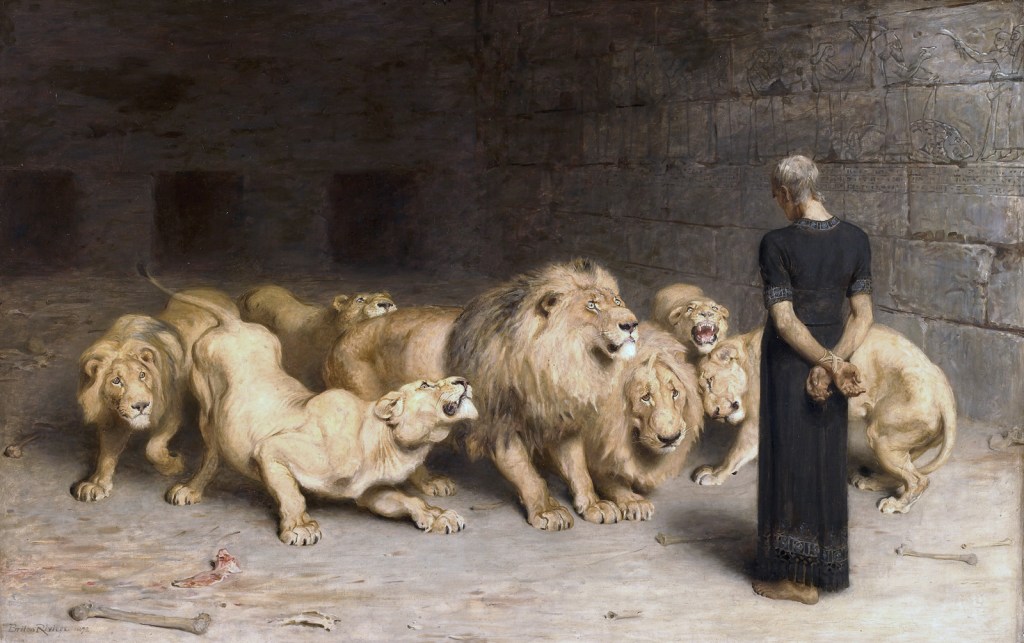
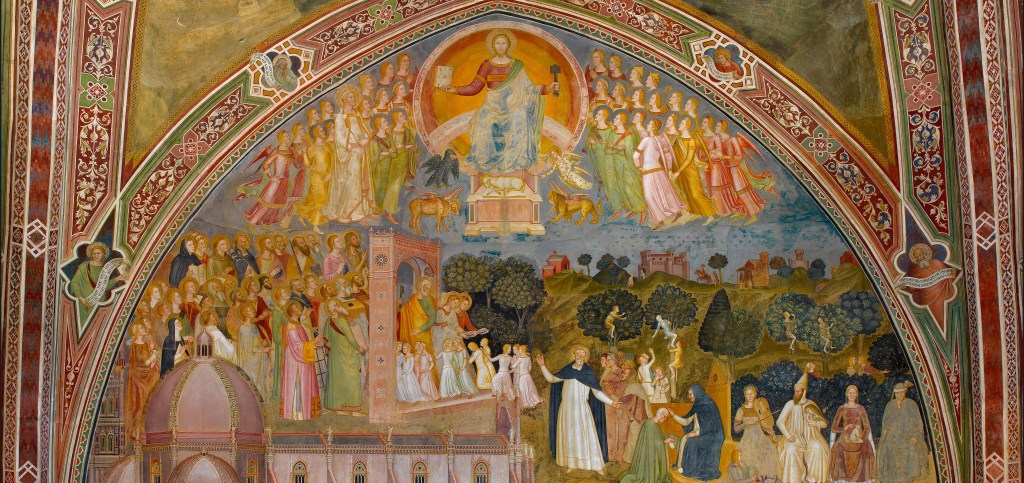
They did, however, believe in the resurrection, but it was earned through works, not by faith. Favor was granted through obedience. To gain eternal life, one had to follow the Law to the letter. The Lord, speaking through the Prophet Daniel, said, “Many of those who sleep in the dust of the earth shall awake, some to everlasting life, and some to shame and everlasting contempt.” (Daniel 12:2) The side of the bed you woke up on depended on whether or not you kept the Law. Nonetheless, this led to their understanding of the resurrection, which was one of the differences between the Pharisees and the Sadducees.
The Sadducees were the priests who controlled everything related to the Temple and the sacrificial system. They strictly followed the Mosaic Law, but their understanding was limited to the Law as written in the Torah—the first five books of the Old Testament. They did not recognize the authority of the other books—the Writings and the Prophets.
The Sadducees were the elites of society and in close relationship with the Romans. If your main concern is Temple worship, then you focus on keeping the peace and the status quo so that sacrifices can continue. They also prioritized their Jewish identity. As we read today, they did not believe in the resurrection. Instead, they believed that when you die, well, you’re dead—nothing more.
With such a belief, you might ask, “What’s the point?” Why go through all these rituals, follow the Law, make sacrifices, and maintain the Temple if, in the end… poof? The answer goes back to their identity. They did what they did for honor, for the nation of Israel, and for future generations. Perhaps the heretical teachings of the prosperity gospel today are the best way to understand the Sadducees—if you follow God and do what He tells you, then you get the big house on the hill. So, the best you can hope for after you die is to be remembered and leave a nice inheritance. Why didn’t they believe in the resurrection? Remember, they only followed what was written in the first five books of the Bible, the Torah, and they did not believe the Torah taught resurrection, so for them, it did not exist.
After the Temple was destroyed in 70 A.D., the Sadducees disappeared because, without the Temple, the sacrificial system could not continue, and there was no need for priests. So, the “brand” of Judaism that continues, even today descended from the Pharisees, with their emphasis on adhering to the Law and its interpretation.
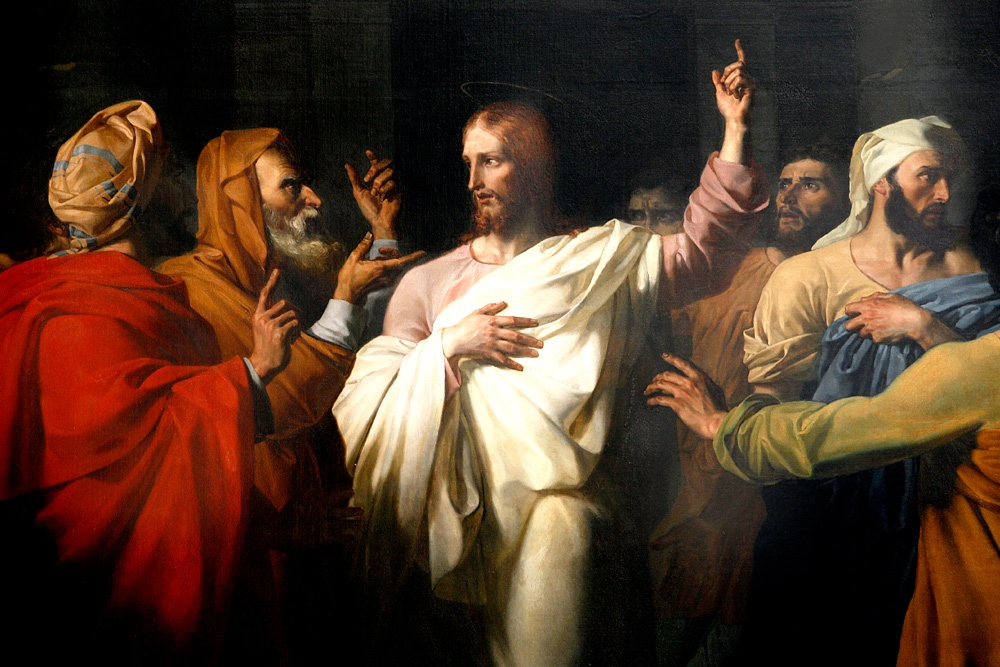
Today in our Gospel reading, Jesus encounters some Sadducees who propose a question which is the equivalent of “If Peter Piper Picked a Peck of Pickle Peppers.” On other occasions, Jesus will have similar encounters with the scribes and Pharisees. In almost all of these encounters, the religious leaders come to Jesus in an attempt to trip Him up over the Law. If they succeed, they can use their influence and power to denounce Him. But in each case, He turns it around on them and eventually silences them, at which point they resort to lying. At the trial the night before He was crucified, “The chief priests and the whole council were seeking false testimony against Jesus that they might put him to death, but they found none, though many false witnesses came forward.” (Matthew 26:59-60)
Through Christ and His sacrifice on the Cross, we are no longer under the Mosaic Law, but under grace. St. Paul states this clearly in his letter to the Romans: “You are not under law but under grace,” (Romans 6:15), but he quickly adds that sin still exists. How? We are no longer governed by the Mosaic Law, but we are under the law of the Spirit. Paul writes, “We are released from the [Mosaic] law, having died to that which held us captive, so that we serve in the new way of the Spirit and not in the old way of the written code.” (Romans 7:6) And what is the heart of this law of the Spirit? Paul tells us, “For the whole law is fulfilled in one word: “You shall love your neighbor as yourself,” (Romans 5:14) which includes the love of God because you cannot love your neighbor if you do not first love God.
Our society is quick to impose specific laws on itself and others, whether to maintain order or uphold moral standards. Some individuals ignore these laws altogether and live a lawless life—that’s a different topic. However, most follow these laws, and for the most part, they do so out of fear of punishment, a similar approach to that of the Sadducees and Pharisees. Follow the law to receive a reward. Break the law and face punishment. But the law of the Spirit is beyond any codified system. Why? Because it concerns the heart. It is about love.
We do what God asks of us not because it’s written in a book, but because it’s written on our hearts. We follow His commands not out of fear of being thumped on the head, but because we love Him and want to please Him. We don’t need a law telling us to feed the hungry; we do it because we love our neighbor. We don’t need a law that says, “Don’t drive drunk,” because we should love those who travel with us and those around us enough that we take responsibility for their safety and ours through our actions.
Are you following the law of the Spirit, or are you breaking it? Answer the question: Am I loving my neighbor?
As followers of Jesus, the things we do or don’t do should not be motivated by fear of punishment or reward. Instead, they should be guided by the answer to that one question. Additionally, I would add, err on the side of grace. You can love too little, but you can never love too much.
Let us pray: Breathe into me, Holy Spirit, that my thoughts may all be holy. Move in me, Holy Spirit, that my work, too, may be holy. Attract my heart, Holy Spirit, that I may love only what is holy. Strengthen me, Holy Spirit, that I may defend all that is holy. Protect me, Holy Spirit, that I may always be holy. Amen.

 Candle in a Cave