
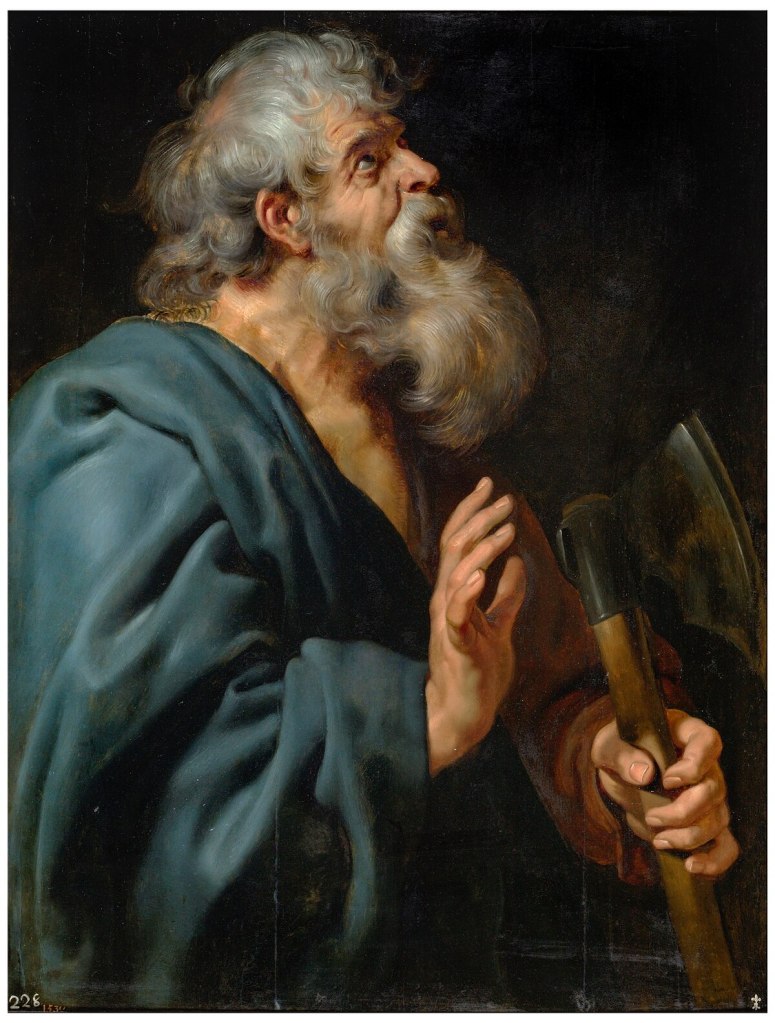
The second string and benchwarmers are never good enough to have their names in light or pictures on the cover. It’s always the superstars that get all the press, while the rest of the team goes largely unnoticed. It is true in many different arenas.
Before the symphony begins, the stage is crowded with all the musicians warming up, except for the first-string violinist. Just as the performance is about to begin, they come out to the applause of the crowd, followed only by the conductor. It is as though all the other positions are there only to serve these two. Even so, Leonard Bernstein, who conducted the New York Philharmonic from 1958 to 1969, said, “Second fiddle. I can always get plenty of first violinists, but to find one who plays second violin with as much enthusiasm . . . now that’s the problem. And yet if no one plays second, we have no harmony.”
The “second fiddle” of the San Francisco Symphony said, “Playing second fiddle may connote being second best, but the preparation for playing first or second violin is exactly the same.”
When I was playing football in junior high, I was a benchwarmer who dreamed of one day making it to the second string. However, when I went to practice, the coach didn’t say, “You first stringers, give me 50 sit-ups, and you second stringers (or less) give me 25.” When it was time to practice, we all went at it the same way. On game day, we all suited up and were ready to play.
Following the death and resurrection of Jesus and prior to Pentecost, the disciples were gathered in Jerusalem. They had fellowship, prayer, and began establishing a plan for moving forward. In the process, they believed there needed to be twelve disciples, as Jesus had, so the first order of business was to replace Judas, the disciple who betrayed Jesus.
Peter said that the new apostle should be “one of the men who have accompanied us during all the time that the Lord Jesus went in and out among us, beginning from the baptism of John until the day when he was taken up from us—one of these must become a witness with us to his resurrection.”
After discussion, it came down to two. Scripture then says, “Then they prayed and said, ‘Lord, you know everyone’s heart. Show us which one of these two you have chosen to take the place in this ministry and apostleship from which Judas turned aside to go to his own place.’ And they cast lots for them, and the lot fell on Matthias; and he was added to the eleven apostles.”
The second string just got their shot at the big league.
Back to my football career, the coach occasionally let me in the game for a few plays, but that was about it. Some fellas were quite a bit better than me, so I understand now why I didn’t get to play much, but I think another problem wasn’t necessarily my lack of talent but the fact that I never believed I would be called up. I never felt that I could actually make first string. I don’t think it was an intentional act not to try harder, but, looking back, I don’t think I was intentional about improving either. I was just happy to be on the team, get to wear a letter jacket, and muddle along.
Perhaps that is OK in Jr. High football and even the symphony, but Matthias teaches us that when it comes to being a disciple of Jesus, we should constantly seek to improve ourselves and maintain our highest level of commitment, for we never know when God will call us into a greater responsibility.
 Candle in a Cave