Sermon: RIP Paul Allen at the Ballpark

Jesus withdrew in a boat to a deserted place by himself. But when the crowds heard it, they followed him on foot from the towns. When he went ashore, he saw a great crowd, and he had compassion for them and cured their sick. When it was evening, the disciples came to him and said, โ€œThis is a deserted place, and the hour is now late; send the crowds away so that they may go into the villages and buy food for themselves.โ€ Jesus said to them, โ€œThey need not go away; you give them something to eat.โ€ They replied, โ€œWe have nothing here but five loaves and two fish.โ€ And he said, โ€œBring them here to me.โ€ Then he ordered the crowds to sit down on the grass. Taking the five loaves and the two fish, he looked up to heaven and blessed and broke the loaves and gave them to the disciples, and the disciples gave them to the crowds. And all ate and were filled, and they took up what was left over of the broken pieces, twelve baskets full. And those who ate were about five thousand men, besides women and children.

In 1996, Linda Ellis wrote a poem. If you look at the cover of your program, youโ€™ll see what the poem is about. It appears right there between 1935, the year of Paulโ€™s birth, and 2025, the year of his death. It is the dash, which is the name of the poem. Ultimately, the poem asks the question, โ€œWhat does that dash represent and say about your life? How did you live your life?โ€

I remembered that poem as I considered the dash on the front of the program, which represents Paulโ€™s life, and I came to the conclusion that Paulโ€™s dash represents much, but that it should have an asterisk after it, directing us to a footnote. In the footnote, we would not find more details of his life; instead, there would be this list, these guiding principles that essentially formed a pillar upon which Paulโ€™s life stood. As his priest, what delighted me was that at the base, the foundation of everything he said or did was God and his faith in Jesus.

โ€œA good Life to me is as follows: ๏ปฟ๏ปฟKeeping God and Jesus in our minds often.โ€

Having known Paul for over ten years, I know that these words werenโ€™t just lip service. He didnโ€™t write this list expecting others to one day find it, and so he said to himself, โ€œOh, I’d better put God first so that when everyone reads this, theyโ€™ll believe I was a righteous dude.โ€ No, I donโ€™t believe that for a second. After many long conversations with him about his faith, I know, without hesitation, he believed that Jesus was his Savior and that it was only through God that he was able to accomplish anything. Therefore, I can say to you without hesitation that he has made his eternal home in that Heavenly Kingdom with his Savior, and has been reunited with his beloved Joan and son David, along with his mom and dad.

On that note, if I may speak to Paul directlyโ€ฆ โ€œI told you so!โ€

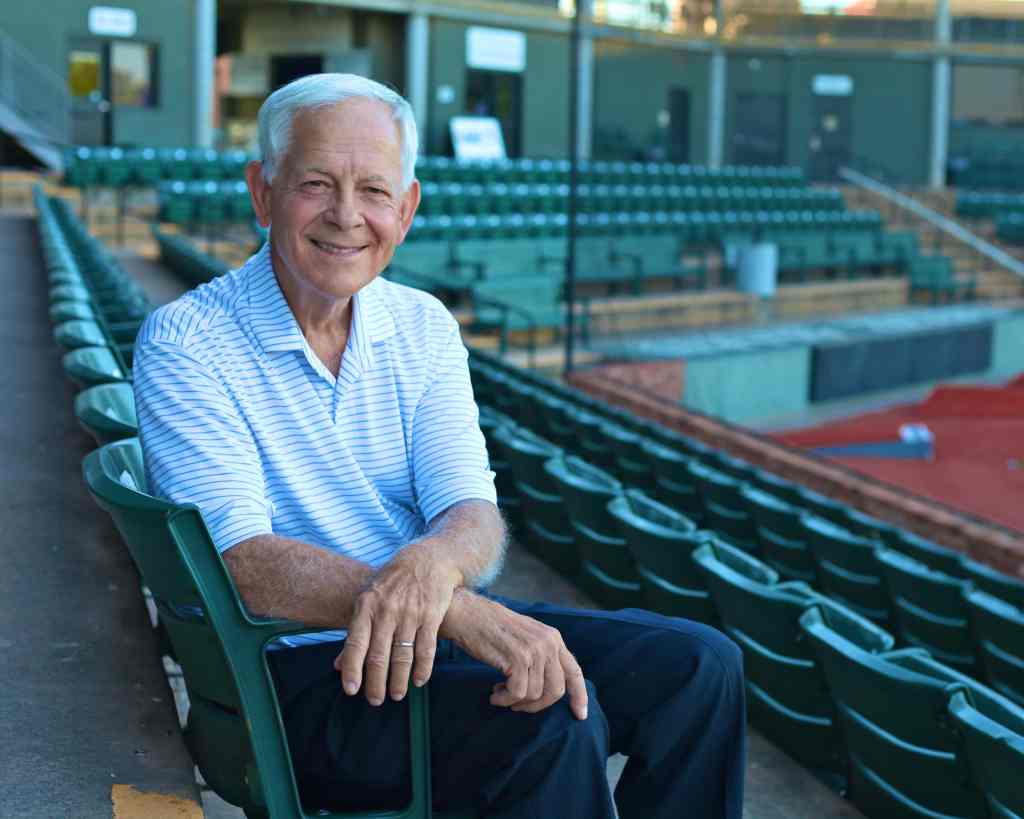
Anyhow, in our reading from Matthew, when the disciples told Jesus to send the people away because there was nothing to eat, Jesus replied, โ€œThey need not go away; you give them something to eat.โ€ It doesnโ€™t take a close scrutiny of Paulโ€™s life to realize that he lived as though the Lord Jesus had spoken those words directly to him. Like this ballpark, there are countless public reminders of his works, but I would wager that for every known act of kindness, there are literally hundreds that you will never hear about. For Paul, it was never about the recognition. It was always about the servingโ€”living out the true spirit of the Lordโ€™s words. And I am quite certain he would encourage us to do the same. For as Pope Francis once noted, โ€œLife is of no use if not used to serve others.โ€

For each of us, a day will come when a dash separates two dates. What will your dash say about you? And if there is an asterisk directing to a footnote, what will the reader discover as your guiding principles? If you are still trying to sort all that out, I believe Paul would encourage you to put the Lord Jesus first and know that every good gift flows from Him.

One such gift from God is a good friend. Doug Frantz, one of Paulโ€™s friends, will now share with us what that means to him.
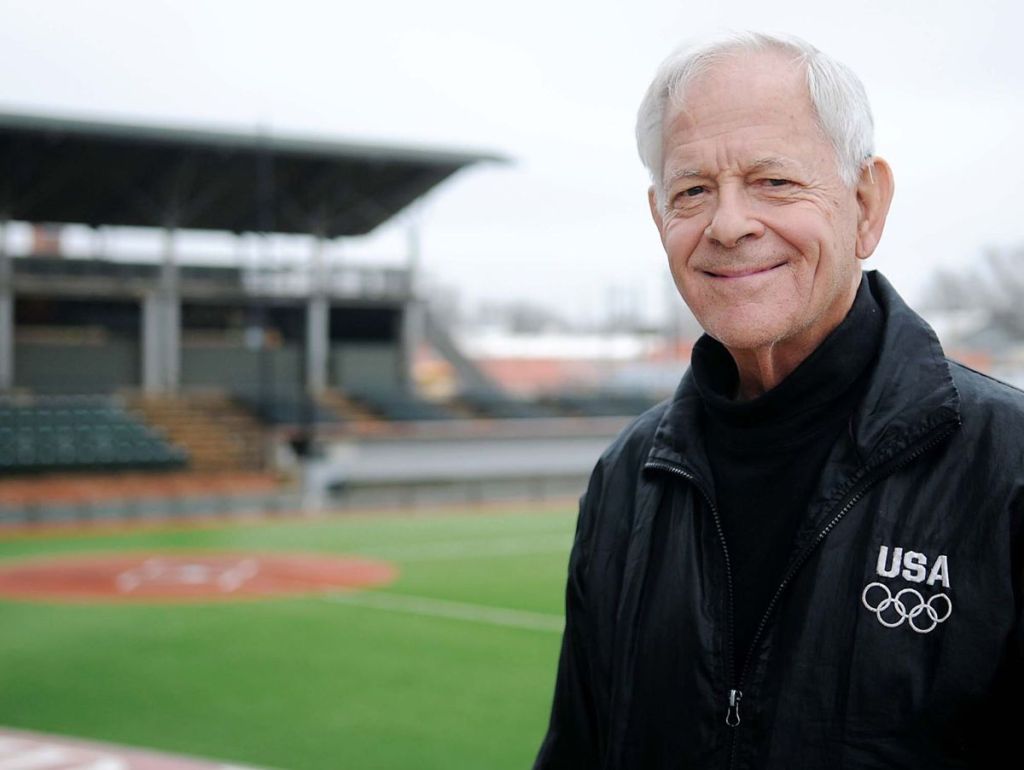
Sermon: RIP Paul Allen Funeral Mass


Before moving to Enid, I never once in my life said, “You know, I think I wanna live in Oklahoma.” It never really crossed my mind. I suspect the same is true for many of you gathered here today. This may be the first and last time you will ever be in Enid. And thatโ€™s OK. We all have our lives, and God allows us to live them.

However, due to this, you probably donโ€™t know Paul in the same way as those who live here. I believe it would be very hard for someone who does not live here to grasp what he meant to this community. Thatโ€™s not a criticism, and please donโ€™t take it as such. Itโ€™s just the way things are. Even so, you wonโ€™t understand what he meant to Enid, America. He has left a remarkable legacy. Itโ€™s a legacy that you can be very, very proud of.

On the surface, that legacy is easy to see. There are the companies he built, the projects he funded, the ballparks, and the soccer fields. There are all sorts of things, and everywhere you turn, youโ€™ll see his name. But thatโ€™s not because Paul was a big flashy kind of guy. He wasnโ€™t running around trying to make a name for himself. He didnโ€™t drive a fancy sports carโ€ฆ and can I just say thanks be to God for that, because he was a really terrible driver. He didnโ€™t wear the latest fashion. If you didnโ€™t know who he was, he was just this nice old guy. In these last years, if you ran into him around town, it was more than likely at one of the grocery stores where he would be stocking the shelves with beef jerky. If you saw Tammy driving him somewhere, thereโ€™s a good chance they were out delivering meals to the poor and homebound. And if it were a Sunday morning, you would find him sitting right there in the front row. And, when it was time to pray, you would find him there on his knees.

Thereโ€™s the outward legacy that everyone knows, but thereโ€™s another that you had to be here to truly witness in order to understand why this town loves him the way they do.

You see, Paul was a builder. Yes, he built companies, but more importantly, and the reason he could build companies is that instead of seeing a company as something made of brick and steel, he saw the company as the people. Paul built companies because he built people. He gave them the tools they needed to succeed. He provided the encouragement for them to realize they could do great things and become builders themselves.

In our Gospel reading today, the disciples wanted to send the people away so that they could go and find something to eat. Jesus said to him, โ€œThey do not need to go away. You give them something to eat.โ€ So often when we read that text, we think that Jesus is simply talking about food. Feed the hungry. Theyโ€™re broke, they donโ€™t have money. They donโ€™t have food. Give them something to eat. However, there are many different ways to give someone something to eat, because the phrase is a way of saying give them what they need to grow, to have a life, to have joy, to fulfill potential. Give them what they need to have life, and to have it abundantly. When Jesus said, โ€œGive them something to eat,โ€ he was saying, โ€œBuild them up,โ€ and that is Paulโ€™s legacy. He was a builder. He was a builder of people, helping them to realize their own great worth.

For some of you, this may very well be the last time youโ€™re in Enid, America. Even so, Paul has passed on this legacy to you. Itโ€™s a legacy that conveys the same message that Jesus said to his disciples, โ€œYou give them something to eat.โ€ In your communities, with your families and friends and the strangers in your midst, you give them something to eat. Take this legacy and pass it along. Become builders yourselves.

Today, we mourn our loss, and today we give thanks. We mourn because, for a time, we are separated from all those who have gone before us. We give thanks because, on this day, through the power of the resurrection, Paul has been reunited with Joan and David, his mom and dad, and with all those who have gone before. Above all this is the fact that Paul has entered Our Fatherโ€™s House and has been welcomed into the very Kingdom of God. In the words of the Psalmist, โ€œThis is the Lordโ€™s doing, and it is marvelous in our sight.โ€

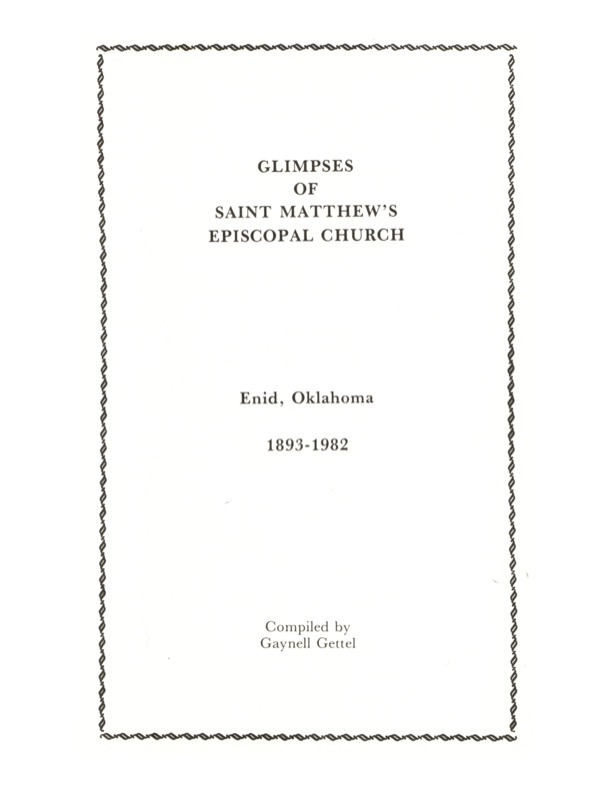
Sermon: Heritage Sunday


Then they came to Capernaum; and when he was in the house he asked them, โ€œWhat were you arguing about on the way?โ€ After I read this and some of the other history of our church, I read the Gospel for today and had myself a little laughโ€ฆ Then they came to Enid; and when he was in the house he asked them, โ€œWhat were you arguing about on the way?โ€

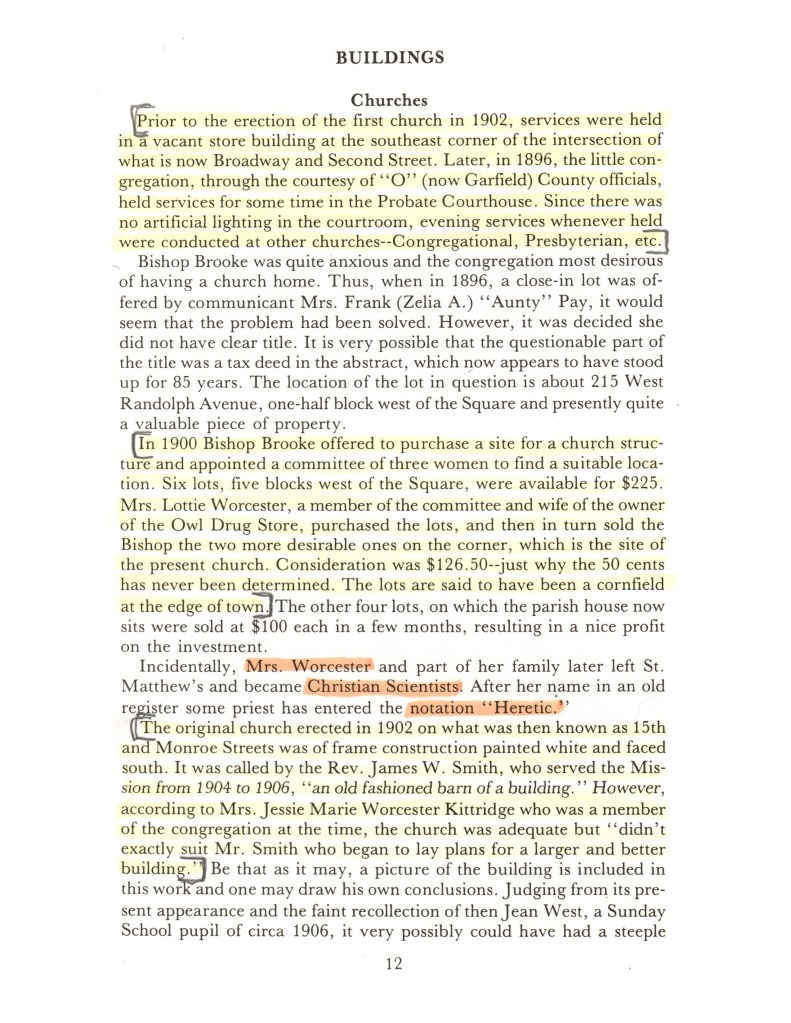
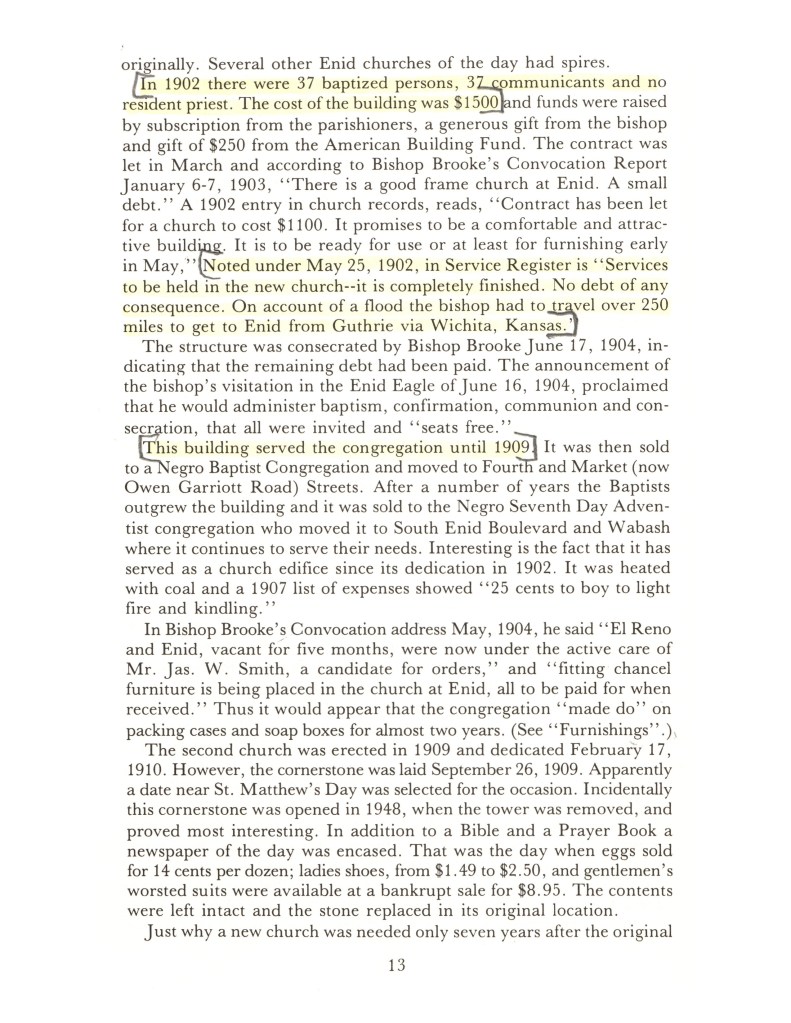
The interesting thing about a churchโ€™s history is that you can really only talk about the buildings and the clergy, the people and who served, the money or the lack there of, and so on. What you canโ€™t really tell in the history of a church is how God moved in the people. How the power of the Holy Spirit transformed lives. How Jesus truly entered this house and began the work of the Kingdom of God in this place. The buildings, the people, and all are only a part of our heritage, because it is these workings of God in our lives and the lives of those around us that are reflects our true heritage, and that really is the most important thing.

Jesus โ€œtook a little child and put it among them; and taking it in his arms, he said to them, โ€˜Whoever welcomes one such child in my name welcomes me, and whoever welcomes me welcomes not me but the one who sent me.โ€™โ€ Our heritage is about welcoming the child, welcoming Jesus into our midst and loving him and loving one another, for what other sign can we show that God is present than by our love for Him and our love for one another? Does the height of a steeple prove that love? Or the size of our endowment? Or even the number of cars in the parking lot? Do any of these things demonstrate the love of God and the love of one another? Not really. They do demonstrate commitment and courage. They also show a desire to honor God in visible ways. None of this is bad or wrong, but what they canโ€™t show is love, because love is an action of the heart. True love is that which seeks the good of the other without regard for self and that is what it means to welcome the little child, but that is not something that can necessarily be documented. Instead, it is a feeling, almost a presence.

This past week, we had our Saints Book Club. Weโ€™ve just finished reading In This House of Brede. A beautiful story about the lives of the nuns living in a convent. The main character, Philippa, had come to the point when the older nuns would decide if she would be allowed to stay and become a fully professed sister. She was afraid they would not allow it, so she went to the sanctuary to pray, asking God to allow her to stay. The scene is set: โ€œThe light flickering by the tabernacle was warm, alive, and as if they were still there, she heard what the nuns had sung last night at Benediction: โ€˜Christus vincit, Christus regnat, Christus imperat.โ€™โ€ Christ conquers, Christ reigns, Christ commands. In that place, she could โ€œfeelโ€ the prayers from the night before, because as was stated, โ€œIf a place has been filled with prayer, though it is empty, something remains; a quiet, a steadiness.โ€ Our sanctuary is the same. You can โ€œfeelโ€ the presence of the prayers that have been said there over the last century, but itโ€™s not just thatโ€ฆ and it is the reason Iโ€™m so happy to be serving in this place, because, I can see the heritage in buildings and the books and the art, but more importantly, I can โ€œfeelโ€ that more important heritageโ€”that heritage of Godโ€™s work and transforming powerโ€”I can feel that you have always performed the work that Christ called on his disciples to perform. That is, in the name of Jesus, the child has always been welcomed here. In the name of Jesus, you have always loved and there really is no greater heritage than this.

This yearโ€ฆ your church is 128 years old. May the love you have shown in those years be a source of inspiration to continue in this great work of the kingdom for the years to come, until the great day of the Lordโ€™s return.

Let us pray: We thank you, heavenly Father, for the witness of your apostle and evangelist Matthew to the Gospel of your Son our Savior; and we pray that, after his example, we may with ready wills and hearts obey the calling of our Lord to follow him; through Jesus Christ our Lord, who lives and reigns with you and the Holy Spirit, one God, now and for ever. Amen.

St. Matthew’s original building.