

Dietrich Bonhoeffer writes, “If we want to be part of these events, Advent and Christmas, we cannot just sit there like a theatre audience and enjoy all the lovely pictures. Instead, we ourselves will be caught up in this action, this reversal of all things; we must become actors on this stage. For this is a play in which each spectator has a part to play, and we cannot hold back. What will our role be? Worshipful shepherds bending the knee, or kings bringing gifts? What is being enacted when Mary becomes the mother of God, when God enters the world in a lowly manger?”
What is taking place when God–Jesus–enters the world? It was just a few weeks ago that our Gospel lesson was quite similar to today’s, focusing on Jesus’ prophecies about the end of days. The problem with such readings is that we can become so caught up in the “what ifs” and “looking for signs” of the events themselves that we overlook the most important part.
So, if we look behind the curtain of all these events, what is really happening? From Bonhoeffer: “What is being enacted when Mary becomes the mother of God, when God enters the world in a lowly manger?”
Since this is the first Sunday of Advent, the start of the Church year, it helps us understand because Advent should inspire a deep sense of anticipation — an expectation of something new.
We talk of “wars and rumors of wars,” about one person being taken and another left behind, and about staying awake— yes, we are to do these things: watch, pray, remain alert as we seek Jesus coming again—but there is much more to it than this.
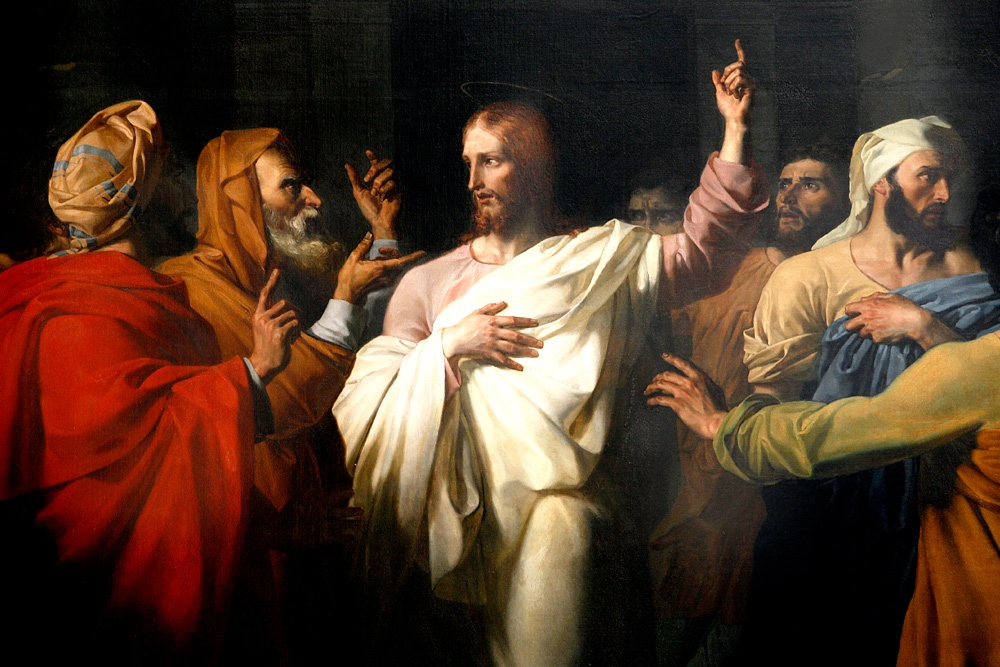
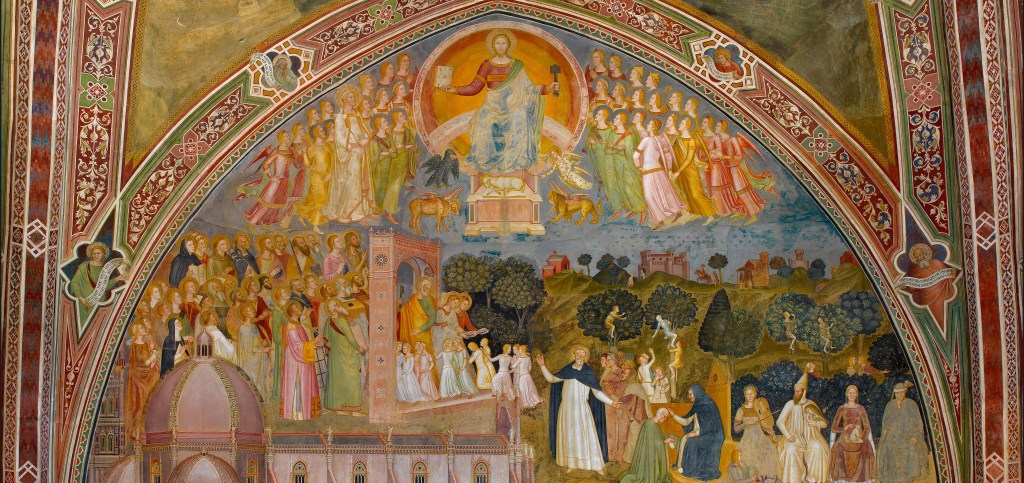
Almost everyone knows at least rumors of the Book of Revelation with all its wormwood, four horsemen of the apocalypse, and bowls of God’s wrath. Most are aware of the Second Coming of Christ. St. John reports, “I saw heaven opened, and behold, a white horse. And He who sat on him was called Faithful and True, and in righteousness He judges and makes war. His eyes were like a flame of fire, and on His head were many crowns.” John continues, “He was clothed with a robe dipped in blood, and His name is called The Word of God. And the armies in heaven followed Him. Out of His mouth goes a sharp sword, that with it He should strike the nations. And He has on His robe and on His thigh a name written: KING OF KINGS AND LORD OF LORDS.”
As Christians, we hear those words and feel like the home team just won the big game at the last second, but what is it all really about? What is the purpose? The Book of Revelation has twenty-two chapters. Most of it focuses on the end of the world—apocalyptic writing. However, at the start of chapter 21, John writes, “Now I saw a new heaven and a new earth, for the first heaven and the first earth had passed away. Also, there was no more sea. Then I, John, saw the holy city, New Jerusalem, coming down out of heaven from God, prepared as a bride adorned for her husband. And I heard a loud voice from heaven saying, ‘Behold, the tabernacle of God is with men, and He will dwell with them, and they shall be His people. God Himself will be with them and be their God. And God will wipe away every tear from their eyes; there shall be no more death, nor sorrow, nor crying. There shall be no more pain, for the former things have passed away.’ Then He who sat on the throne said, ‘Behold, I make all things new. It is done! I am the Alpha and the Omega, the Beginning and the End.’”
God says, I do all these things so that I may make all things new. At that, our excitement that the home team won is slightly diminished. It is like what we were talking about a few weeks ago—waiting! We have to keep waiting for the Lord’s return, but now we also have to keep waiting for things to be made new.
Well, that’s just great! When the Lord returns, I will start to experience this new life. In the meantime, it’s the same ol’ same ol.’” Thanks for playing. Please try again. St. Paul helps us understand that this “New” is not only in the future but also something we can experience today. Paul writes, “if anyone is in Christ, he is a new creation. The old has passed away; behold, the new has come.” (2 Corinthians 5:17) Yes, the Kingdom of God is a future event, but it is also a present reality.
However, we still can’t get all excited because we look around at the state of the world today and say, “Well, Father John, if this is the new Kingdom of God, then I’ll take what’s behind door number three.” And there is the rub. Today, we only see in a mirror dimly, for although we are made new in Christ Jesus, the world has not yet been made new. Paul says in his letter to the Romans, “For we know that the whole creation has been groaning together in the pains of childbirth until now. And not only the creation, but we ourselves, who have the firstfruits of the Spirit, groan inwardly as we wait eagerly for adoption as sons, the redemption of our bodies.” (Romans 8:22-23)
Creation suffers, and so do we, but we are a new creation. No longer subject to eternal death, but only a short sleep before the Great Day of the Lord’s return, when all is made new.
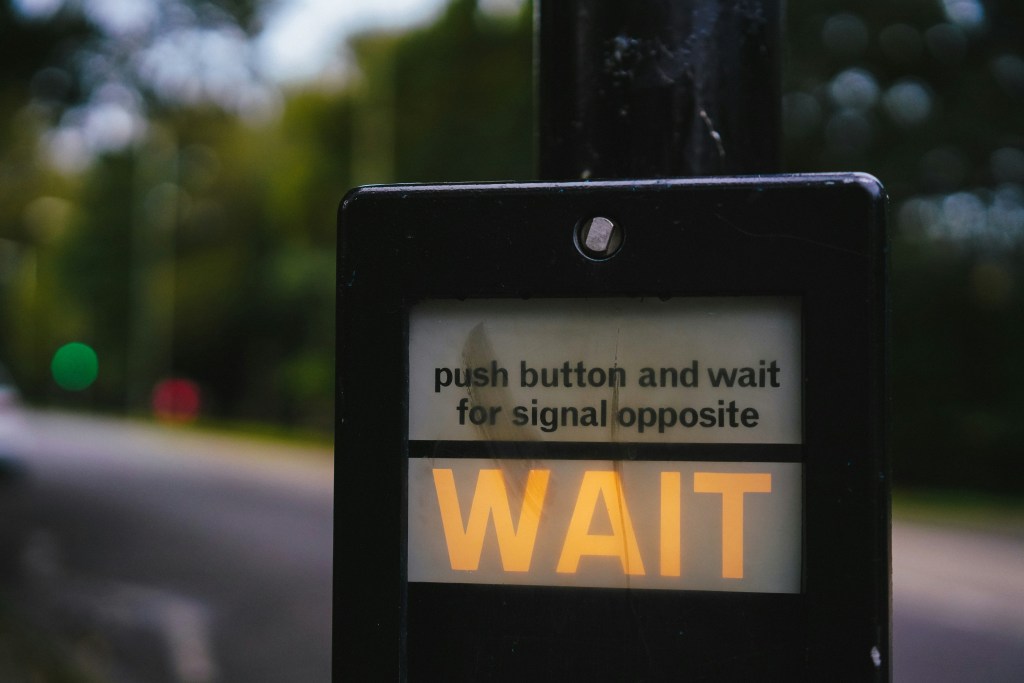
We live in this in-between time—the now and the not yet—so we wait. As frustrating as that may seem, this waiting is what Advent is all about. Bonhoeffer writes, “Celebrating Advent means being able to wait.” However, he goes on to say, “Waiting is an art our impatient age has forgotten. It wants to break open the ripe fruit when it has hardly finished planting the shoot… Whoever does not know the austere blessedness of waiting—that is, of hopefully doing without—will never experience the full blessedness of fulfillment. For the greatest, most profound, tenderest things in the world, we must wait. It happens not in a storm but according to the divine laws of sprouting, growing, and becoming.” Yes. We will watch, pray, and remain alert, and we will also wait.
Yet, in the midst of this waiting and becoming, God offers us glimpses of future blessings through the gifts of one another and the sacraments of the Church. Therefore, today, after Confession and before the Peace, we will offer the laying on of hands and anointing with oil. Through this sacrament of Unction—of healing—I pray you will see and perhaps experience the new life God is offering you, and that it will give you the courage and strength to wait with perseverance for the newness to come.
Let us pray:
God of Love,
Your son, Jesus, is your greatest gift to us.
He is a sign of your love.
Help us walk in that love during the weeks of Advent,
As we wait and prepare for his coming.
We pray in the name of Jesus, our Savior.

 Candle in a Cave